The Media Institute of the Caribbean (MIC) has secured official consultative status with the United Nations Educational, Scientific and Cultural Organization (UNESCO), a development the regional body describes as a significant milestone in its work to strengthen independent, professional and sustainable journalism across the Caribbean.
The approval gives the MIC a formal standing with the Paris-based UN agency that promotes education, science, culture and press freedom. Consultative status allows civil-society organisations to take part in UNESCO's work, contribute expert advice and join international discussions that shape policy on media development and freedom of expression.
For a small island region where newsrooms often operate with limited resources, the arrangement is expected to open doors to technical cooperation, training and international networks that individual Caribbean media houses could not easily access on their own.
The MIC has built its reputation on defending journalists and supporting professional standards across the Caribbean, and the UNESCO recognition extends that mandate to the global stage. The institute joins a select group of non-governmental organisations that UNESCO recognises as partners in its efforts to promote free, pluralistic and independent media.
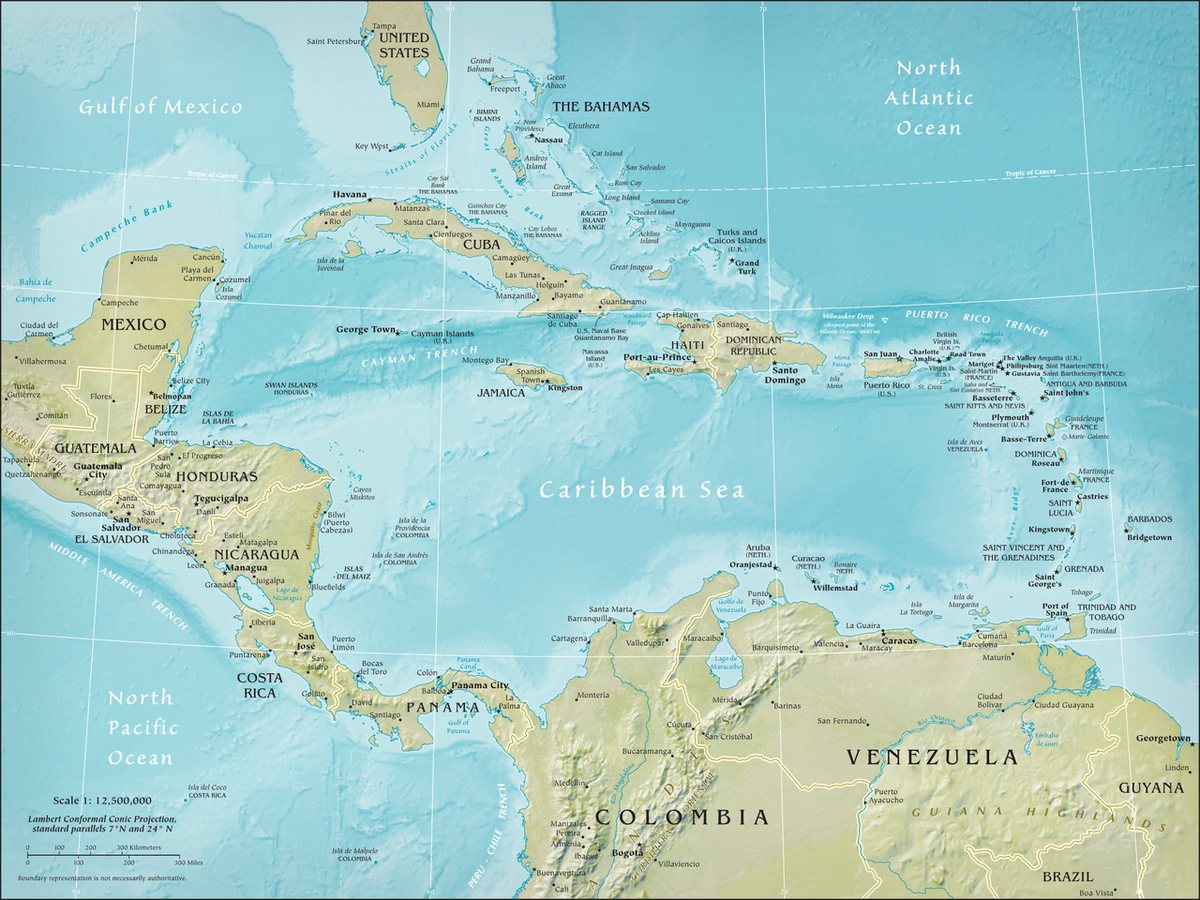
The decision carries particular weight for Dominica and its neighbours in the Eastern Caribbean, where media workers face the same pressures as colleagues elsewhere in the region — shrinking advertising revenue, the rapid shift to digital platforms, and the need for stronger legal protections for journalists. Regional cooperation through bodies such as the MIC has become a key way for small newsrooms to share training, advocacy and best practice.
UNESCO consultative status is not automatic. Organisations must demonstrate a track record of work in fields relevant to the agency's mandate and show that they can contribute meaningfully to its programmes. The MIC's approval reflects its standing as a credible regional voice on media freedom and journalistic professionalism.
The institute has not yet set out a detailed programme for how it will use the new status, but the recognition is expected to strengthen its ability to represent Caribbean media interests in international forums, including debates on press freedom, the safety of journalists and the sustainability of independent news organisations.
For Dominica, the development is a reminder of how closely the island's media landscape is tied to wider Caribbean and international efforts. Local outlets rely on regional bodies for advocacy, training and solidarity when press freedom comes under strain, and the MIC's elevated profile should make that support more visible and more effective.
The consultative status also comes as Caribbean media continue to adapt to a digital-first environment, with audiences increasingly turning to online portals and social platforms for news. International recognition of the region's media institutions can help attract partners and resources at a time when many outlets are working to build sustainable business models without compromising their editorial independence.
The MIC said the milestone would support its efforts to promote independent, professional and sustainable journalism across the Caribbean, a goal that aligns with UNESCO's own work on media development and freedom of expression.
1