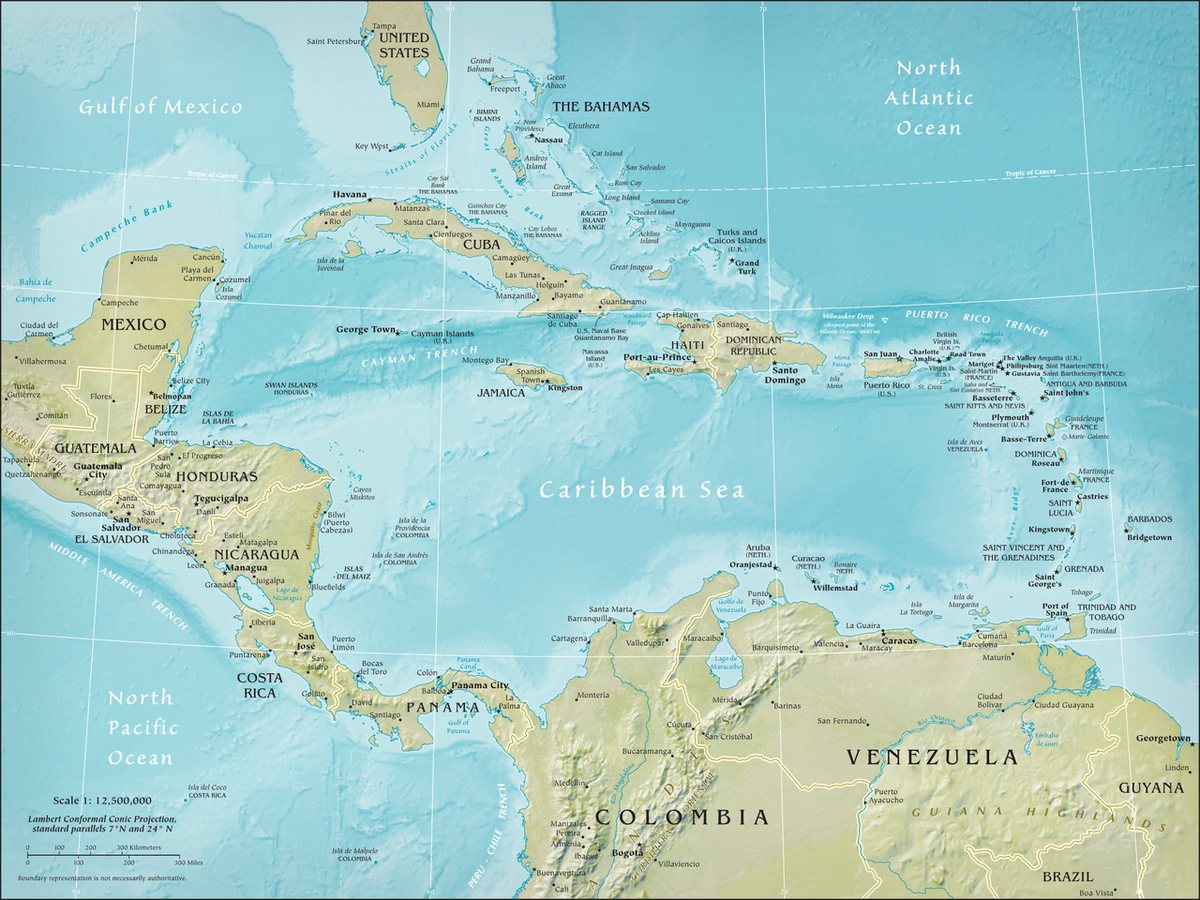
Saint Vincent and the Grenadines has become the first member state of the Organisation of Eastern Caribbean States to adopt the Regional Integrated Early Warning Surveillance and Response System, a digital platform designed to strengthen health security across the sub-region. The move positions the country as a pioneer in the use of the new tool, which is intended to improve the detection and reporting of public health threats.
The system, known by its acronym RIEWSS, provides a unified digital framework for surveillance and response. It allows health authorities to track disease outbreaks, share data across borders, and coordinate action more quickly than traditional paper-based reporting. For the OECS, the adoption by Saint Vincent and the Grenadines is expected to serve as a model for other member states as they work to modernise their public health infrastructure.
Health officials in the region have long identified early warning systems as a critical component of pandemic preparedness. The COVID-19 pandemic exposed gaps in data sharing and surveillance capacity among small island states, and RIEWSS is designed to address those weaknesses. By integrating reporting mechanisms, the system aims to give health workers and policymakers a clearer, real-time picture of emerging risks, from infectious disease outbreaks to environmental health hazards.
The adoption of the system in Saint Vincent and the Grenadines follows a period of regional cooperation on health security, with the OECS and Caribbean public health bodies working together to develop and deploy the platform. The system is expected to be rolled out to other member states in the coming months, with each country adapting the tool to its own national health priorities while maintaining compatibility with the regional network.
For the Commonwealth of Dominica, the development is closely watched. As a fellow OECS member state, Dominica stands to benefit from the regional system once it is adopted locally. The sharing of surveillance data across the sub-region could improve the island's ability to respond to public health emergencies, particularly during the hurricane season when the risk of waterborne disease and other health threats increases.
The OECS has not yet announced a timeline for the rollout of RIEWSS to other member states, but the successful adoption in Saint Vincent and the Grenadines is seen as a proof of concept. Regional health officials have emphasised that the system is not a replacement for national health systems but rather a complement that enhances their capacity to detect and respond to threats early.
The move also aligns with broader Caribbean efforts to strengthen health security, including initiatives under the Caribbean Public Health Agency and the Pan American Health Organization. These bodies have supported the development of RIEWSS and have called on member states to invest in digital health infrastructure as part of their long-term resilience planning.
As the first adopter, Saint Vincent and the Grenadines will play a key role in refining the system and demonstrating its practical benefits. The experience gained there will inform how the system is implemented elsewhere in the OECS, including in Dominica, where health authorities are expected to monitor the rollout closely.
65