A new US$12.55 million regional project is set to strengthen climate resilience in the fisheries sectors of five Caribbean countries, with more than 21,800 people involved in the industry and coastal communities expected to benefit.
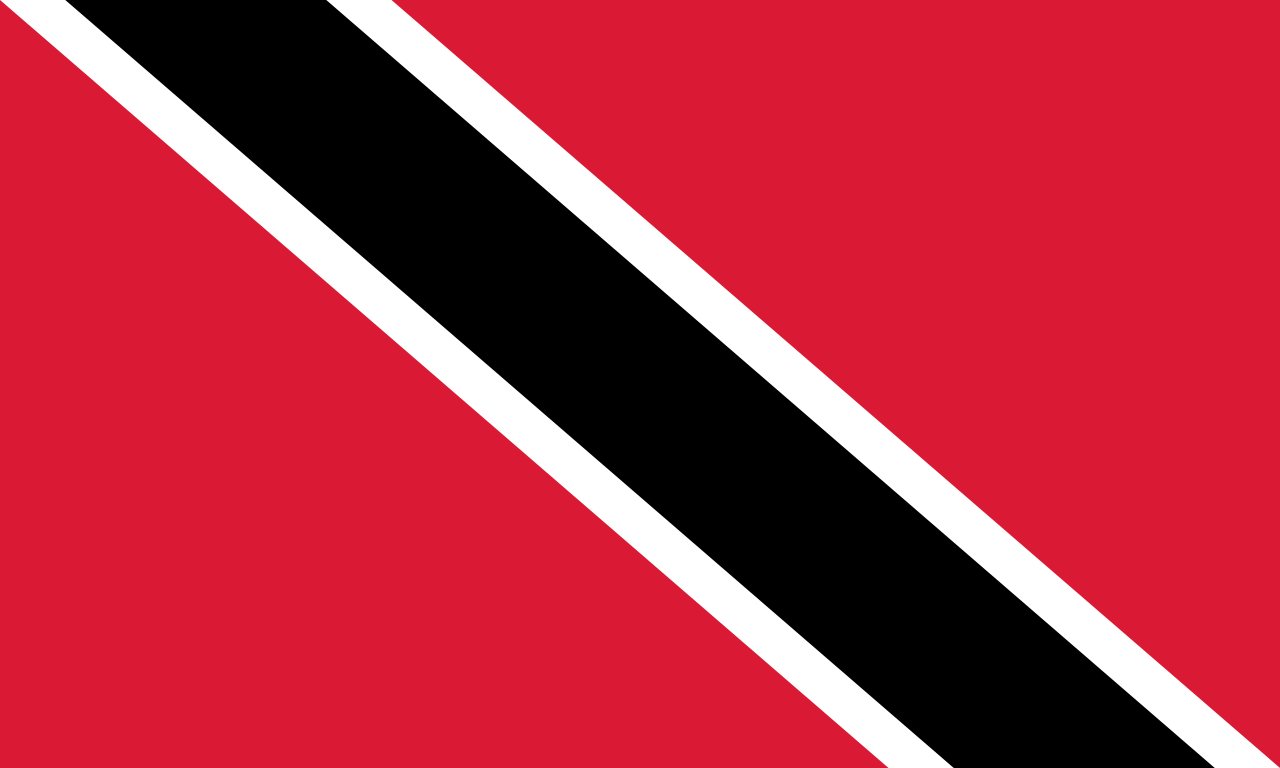
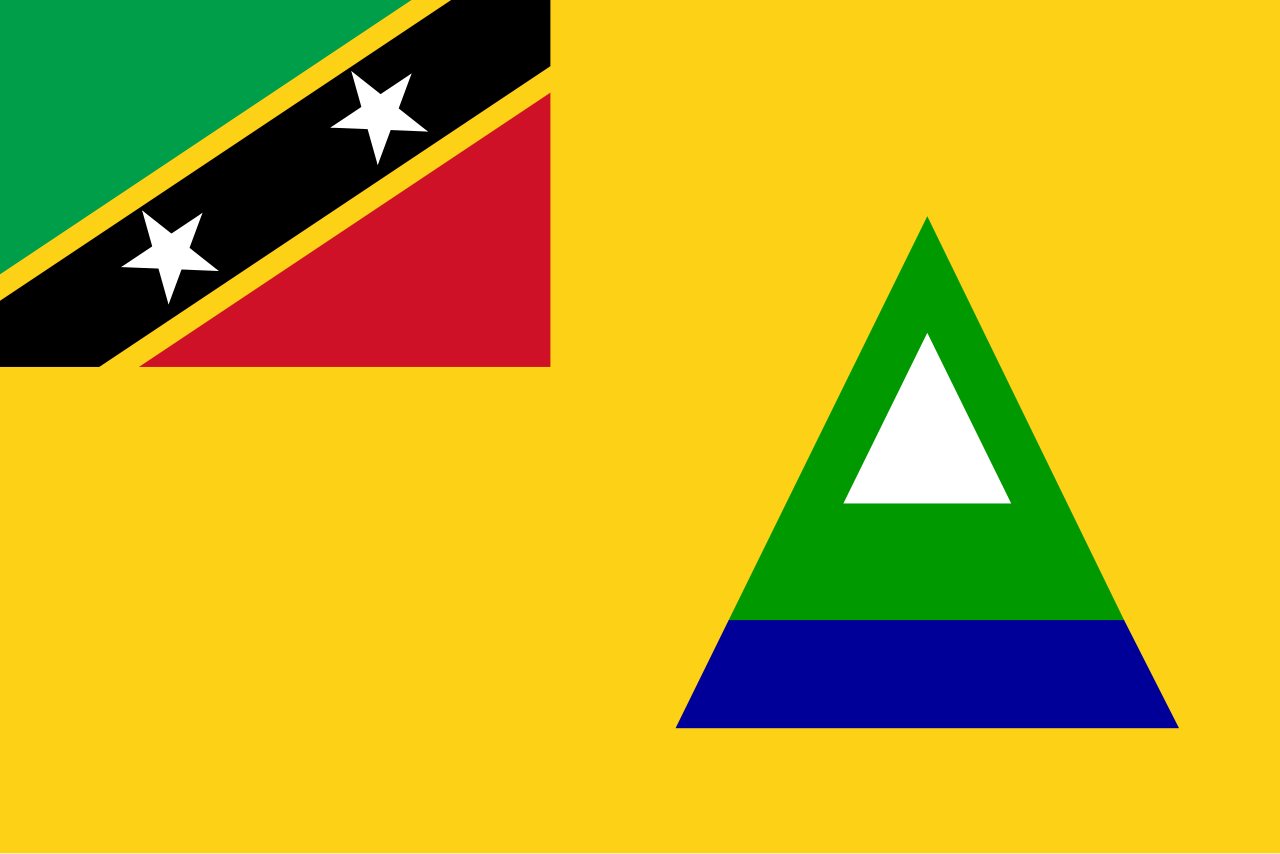
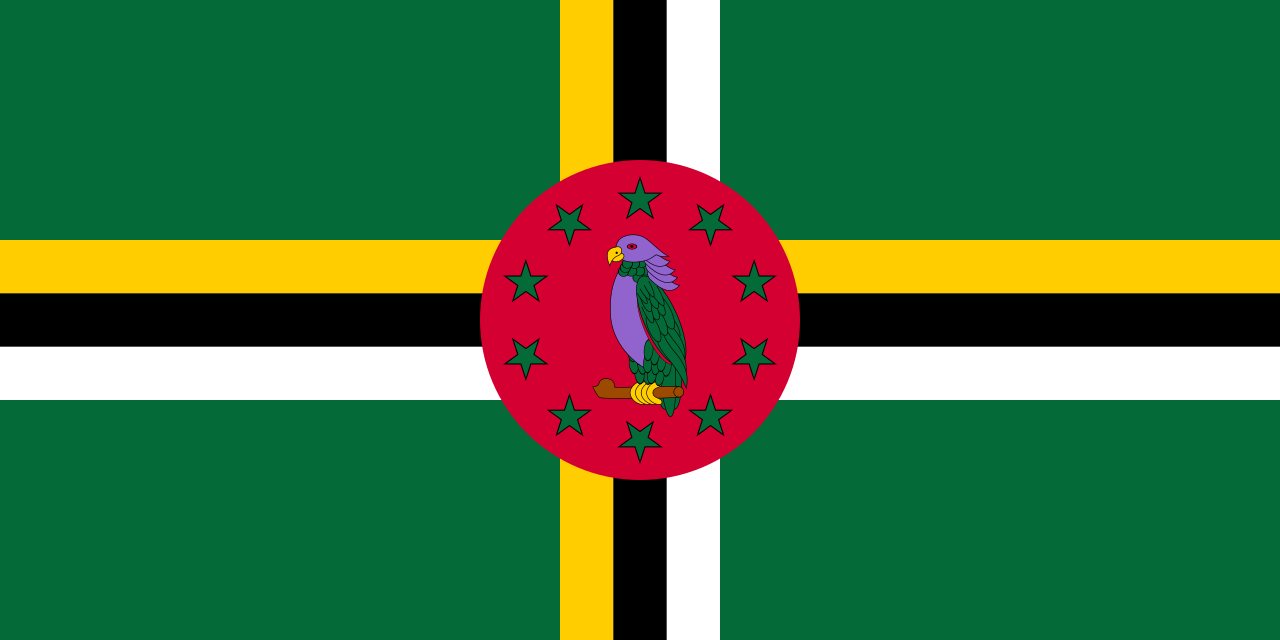
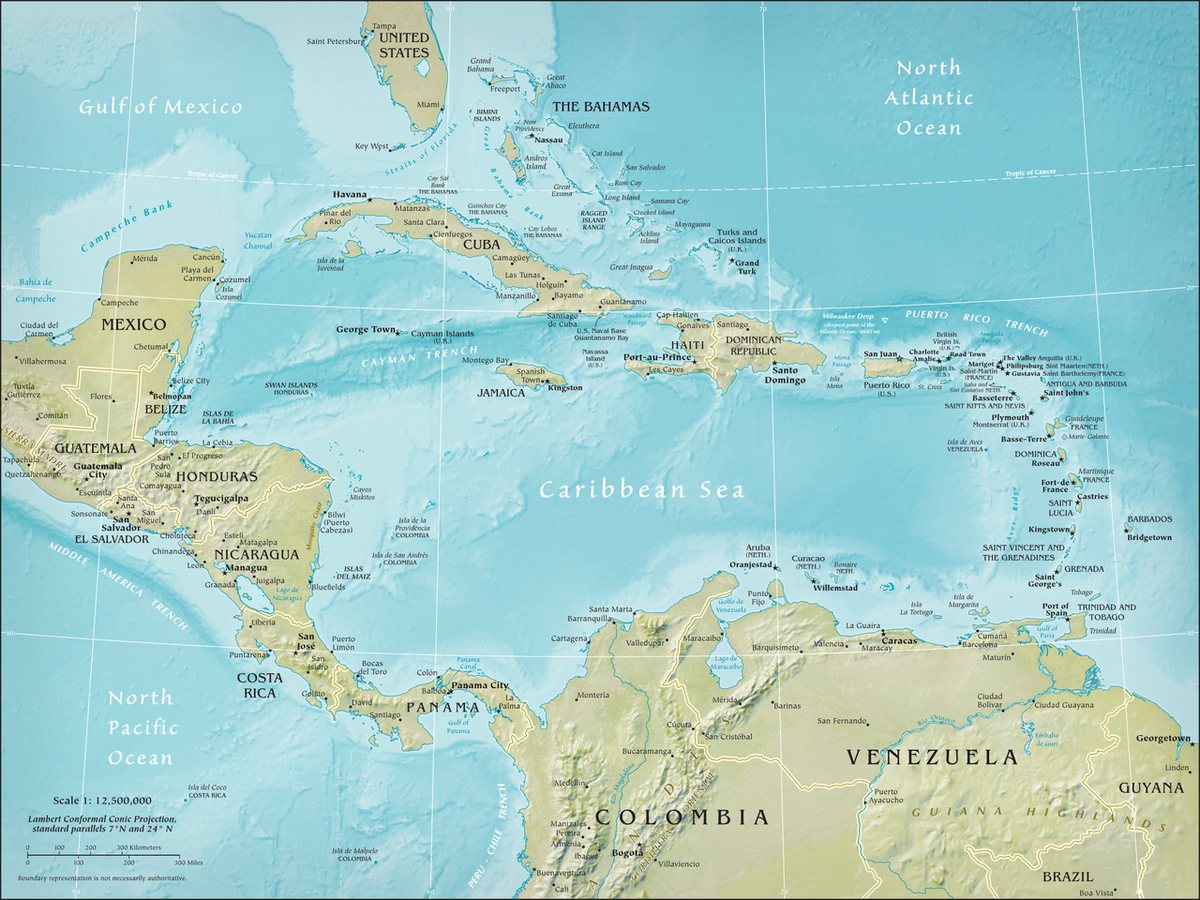
The initiative covers Dominica, Grenada, St Kitts and Nevis, St Vincent and the Grenadines, and Trinidad and Tobago. It aims to reduce the vulnerability of fisheries and coastal communities to climate-related hazards, which have increasingly disrupted marine livelihoods across the Eastern Caribbean.
Fisheries remain a vital source of income, food security and employment for thousands of families in the region. However, changing ocean conditions, more intense storms, coastal erosion and shifting fish stocks have placed growing pressure on fishers, vendors and associated workers. The project is expected to address these challenges through targeted measures that help communities adapt and recover.
While full details of the project's components have not yet been released, its scale and regional scope signal a coordinated approach to a problem that crosses national borders. The five participating countries share similar vulnerabilities, including reliance on nearshore fishing grounds, limited cold-chain infrastructure and exposure to hurricanes.
In Dominica, the fisheries sector supports communities along the coast, from the capital Roseau to Portsmouth and beyond. Fishers and their families have faced repeated setbacks from extreme weather, including the devastation of Hurricane Maria in 2017, which destroyed boats, gear and landing sites. Building resilience in this sector is therefore closely tied to the island's broader recovery and food security goals.
The project is also expected to benefit coastal communities that depend indirectly on fishing, such as those involved in processing, marketing and tourism-related activities. By targeting more than 21,800 beneficiaries, the initiative recognises that climate adaptation in fisheries must extend beyond the boat to include the entire value chain.
Regional cooperation is a central feature of the effort. By grouping countries with similar challenges, the project may allow for shared solutions, pooled expertise and economies of scale that individual states could not achieve alone. It also aligns with wider Caribbean efforts to integrate climate resilience into national development planning.
For Dominica, participation in the project comes as the island continues to pursue its goal of becoming the world's first climate-resilient nation. Fisheries and agriculture are key pillars of that vision, and international support for adaptation measures is seen as essential.
The initiative is expected to complement existing programmes run by national governments and regional bodies. Details on implementation timelines, executing agencies and specific activities are likely to emerge as the project moves forward.
Fishers and community organisations in the participating countries will be watching closely for how the funds are deployed. For many, the measure of success will be tangible improvements on the ground: safer harbours, better equipment, stronger early-warning systems and more secure livelihoods in the face of a changing climate.