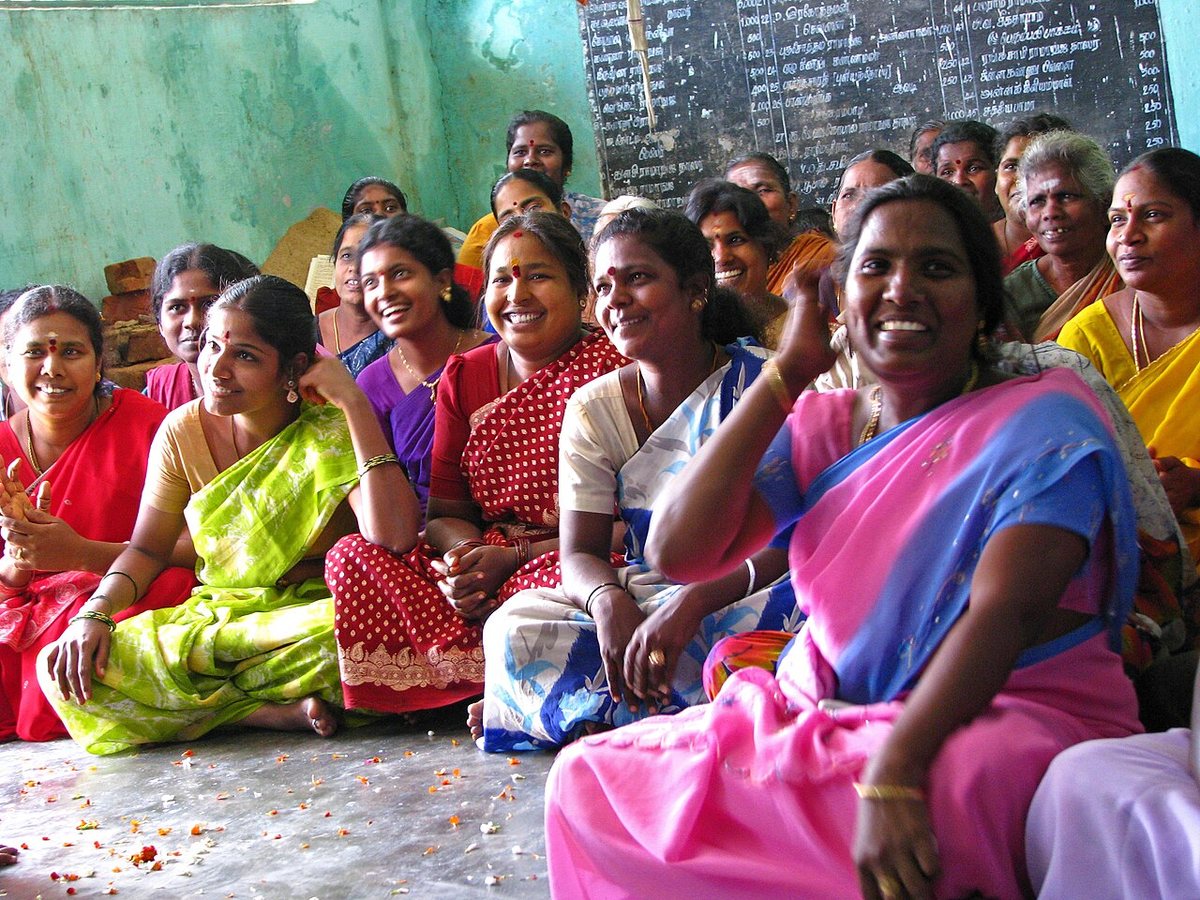
Rural women are indispensable to food security in Dominica and across the Caribbean, yet they continue to confront systemic racism, structural poverty and discrimination. That is the message from United Nations Secretary-General António Guterres, whose statement marked the International Day of Rural Women.
In Dominica, women are the backbone of the agricultural sector, working in banana, plantain, cocoa and coffee production, as well as in fisheries and local markets. They manage small holdings, process crops, and sustain village economies from Portsmouth to Grand Bay and the Kalinago Territory. Their labour feeds families and communities, but it is often unpaid, undervalued and invisible in national statistics.
The observance of the International Day of Rural Women, marked each year on 15 October, is a reminder that gender equality cannot be achieved without addressing the specific challenges faced by women in rural areas. These include limited access to land, credit, training and markets, as well as a heavier burden of unpaid care work. In Dominica, the additional pressures of hurricane recovery and climate adaptation fall disproportionately on rural women, who are often the first responders in their communities.
Women have long confronted a culture of exclusion. In many rural parishes, they are under-represented in decision-making bodies, from village councils to agricultural cooperatives. The UN Secretary-General has stressed that rural women play a critical role in ensuring the world can be fed, yet they remain on the margins of policy and investment.
Dominica's own development path — from agriculture to geothermal energy and eco-tourism — depends on the full participation of rural women. Programmes that support female farmers, fishers and entrepreneurs are not charity; they are an investment in the island's resilience. When rural women have secure land tenure, access to finance and a seat at the table, entire communities benefit.
The Government, through the Ministry of Agriculture and the Ministry of Gender Affairs, has acknowledged the need to close these gaps. But recognition on a designated day must translate into year-round action. That means collecting disaggregated data on rural women's work, removing barriers to credit, and ensuring that disaster preparedness and recovery plans reflect the realities of women in the countryside.
As Dominica observes the International Day of Rural Women, the call is clear: honour their contribution not only with words, but with policies that dismantle the systemic racism, poverty and discrimination they face. The Nature Isle cannot build a sustainable future without them.
2