The Government of Dominica has launched a nine-month exercise to revise the management plans for the Morne Trois Pitons and Morne Diablotin National Parks, the country's two principal protected areas. The initiative is designed to ensure that the management framework for these parks reflects current conservation needs, legal requirements, and the realities of sustainable use on the Nature Isle.
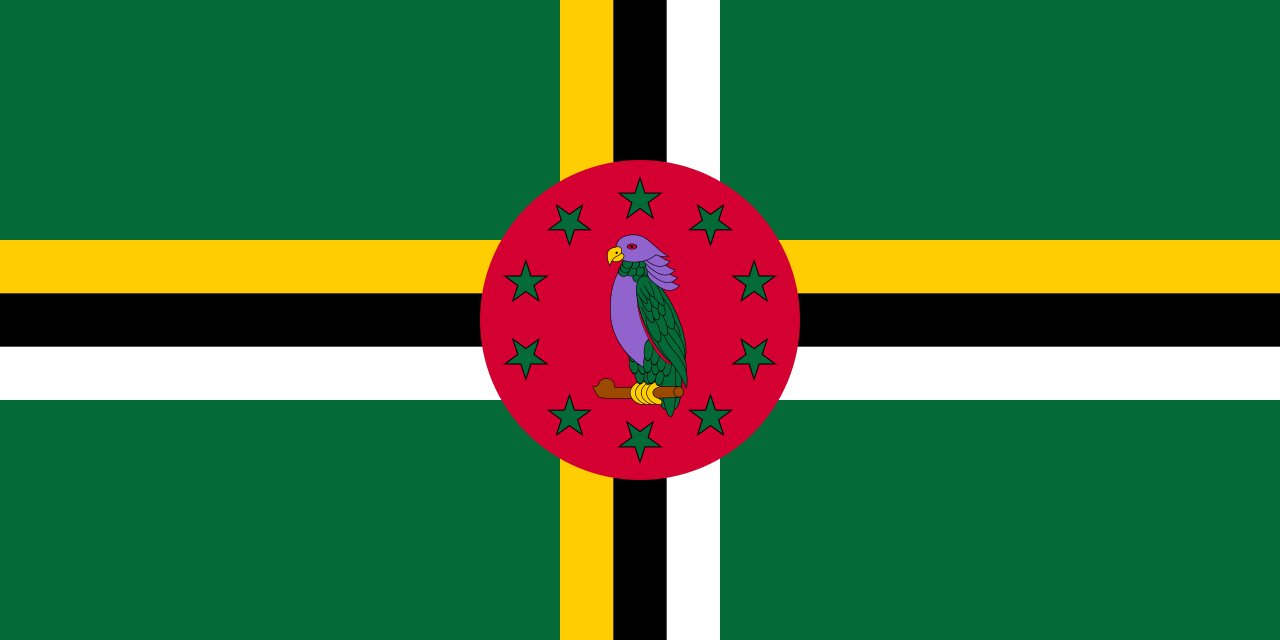
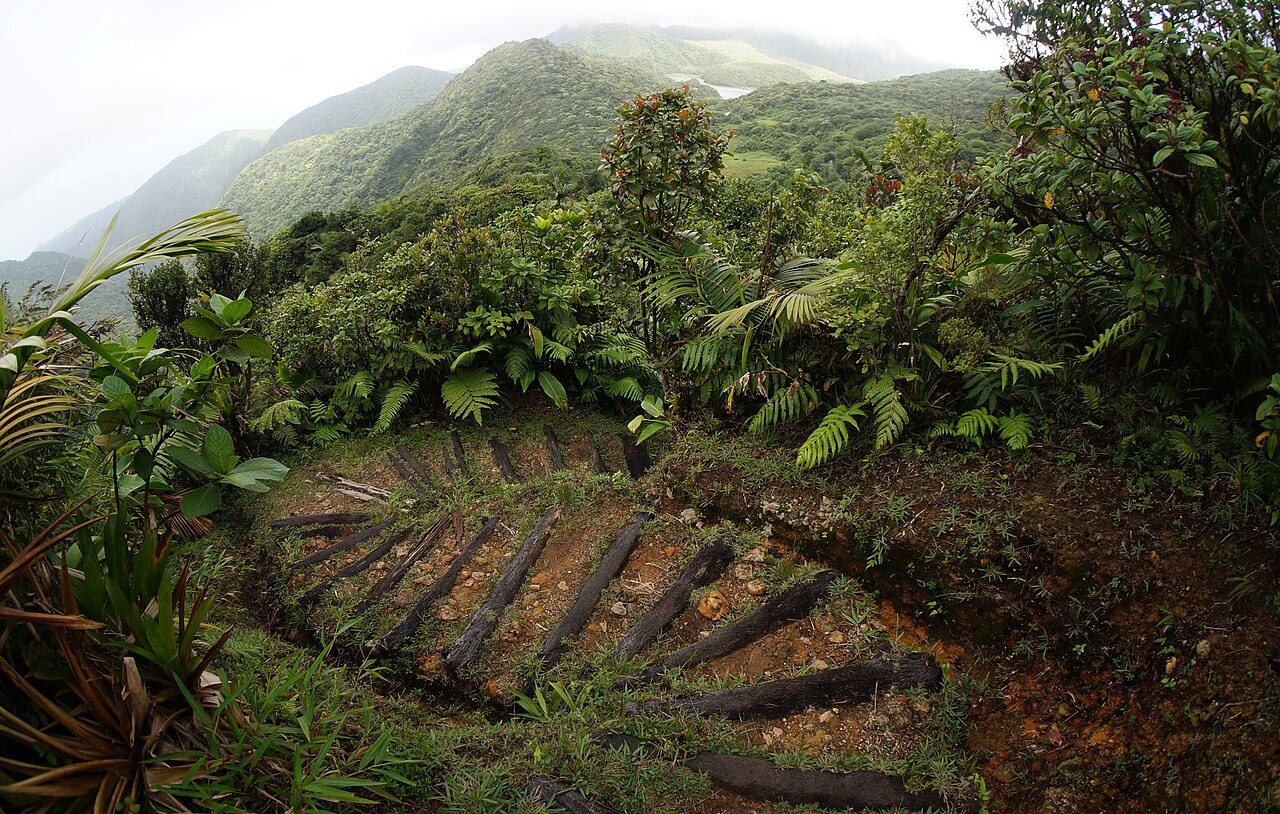
Morne Trois Pitons National Park, a UNESCO World Heritage Site, is home to the Boiling Lake, the Valley of Desolation, and the Emerald Pool, and is a cornerstone of Dominica's ecotourism product. Morne Diablotin National Park protects the island's highest peak and critical rainforest habitat for endemic species, including the Sisserou parrot, Dominica's national bird. The revision of the plans is expected to take approximately nine months and will involve consultations with stakeholders, including government agencies, local communities, and conservation groups.
The update comes as Dominica continues to balance conservation with development pressures, including tourism, agriculture, and geothermal energy exploration. The current management plans for both parks have been in place for several years, and officials have indicated that the revised documents will incorporate new scientific data, address climate change impacts, and strengthen enforcement mechanisms to protect biodiversity.
The exercise is part of a broader commitment to environmental stewardship, a central pillar of Dominica's identity as the Nature Isle. The Government has previously pledged to become the world's first climate-resilient nation, and the management of national parks is seen as a key component of that strategy. Protected areas also play a vital role in watershed management, providing clean water for communities and reducing the risk of landslides and flooding.
Stakeholder participation is expected to be a key feature of the revision process. Local communities, particularly those in villages bordering the parks, rely on the forests for livelihoods, including farming, fishing, and guiding tourists. The Kalinago people, who have a deep cultural connection to the island's natural environment, may also be consulted as part of the process.
The revision of the management plans is being undertaken with the support of international partners, though specific funding details have not been disclosed. The process will include field assessments, public consultations, and the drafting of new policy documents, which will ultimately be submitted for approval by the relevant authorities.
Dominica's national parks are among the most significant in the Eastern Caribbean, attracting visitors from around the world. Morne Trois Pitons alone draws thousands of hikers and nature enthusiasts annually, contributing to the local economy. Ensuring that these parks are managed effectively is therefore not only an environmental priority but also an economic one.
The Government has urged residents and stakeholders to participate actively in the consultation process, emphasising that the success of the revised plans will depend on broad community support. Further announcements regarding the timeline for consultations are expected in the coming weeks.
73