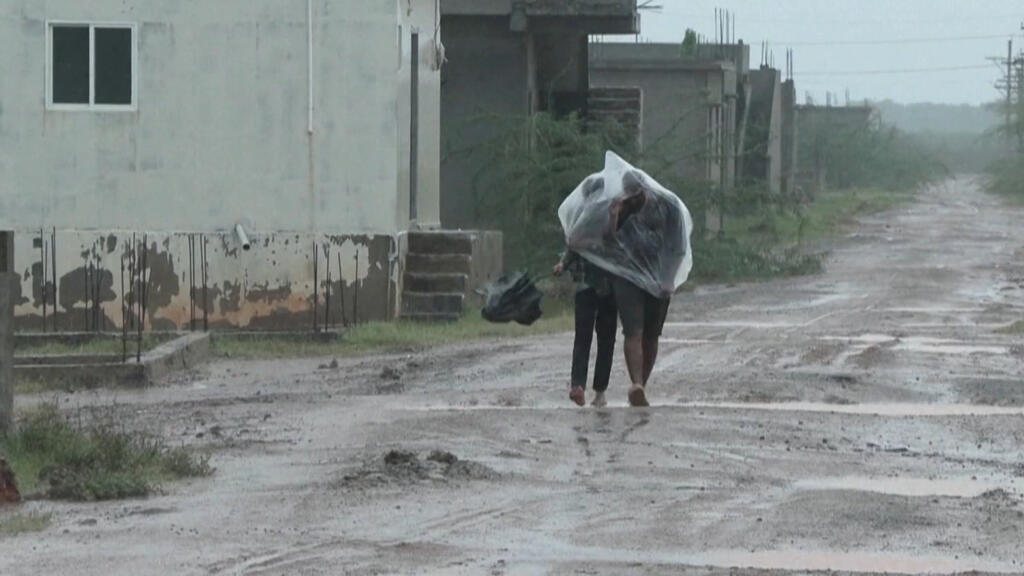
A cyclone with winds of 125 kilometres per hour struck the southeastern coast of India on Wednesday, October 28, and authorities have evacuated at least 180,000 people from low-lying areas in its path. Officials have warned of localised flooding and the uprooting of power and communications poles, which could leave parts of the region without electricity and phone service.
The storm's arrival prompted a large-scale emergency response along the east coast. Residents in vulnerable areas were moved to shelters ahead of landfall, a precaution that officials consider essential in a region where storm surges and heavy rain can quickly inundate homes and farmland. The evacuation figure of more than 180,000 reflects the scale of the threat facing coastal communities, many of whom live close to the sea and have little time to move once warnings are issued.
The danger from the cyclone is not confined to India. Neighbouring Sri Lanka and Nepal have also issued weather warnings, underlining the wide reach of the system and the concern across the region about heavy rainfall and related hazards. The alerts in those countries show that severe weather developing over the Bay of Bengal can affect several nations at once, prompting parallel preparations far from the point of landfall.
The threat of uprooted poles is especially serious because of what it can do to communication during an emergency. When power and telephone lines fail, residents may be unable to receive official updates, call for help or check on relatives, and rescue teams can find it harder to coordinate. Authorities have therefore stressed that people should stay in shelters or other safe places until the danger has clearly passed.
For residents, the most immediate guidance is to remain sheltered, to keep away from fallen power lines and poles, and to follow official updates on the storm's movement and intensity. Those who are still in their homes are being advised to secure what they can and to avoid travelling through flooded roads, where the water may hide debris or damaged infrastructure.
The report on the cyclone and the evacuations was filed by Camille Corcoran for France 24, which carried the story as a video report. Information on the storm's track, its final intensity and the extent of the damage has not yet been fully confirmed, and further details are expected from Indian authorities as conditions change over the coming hours.
1