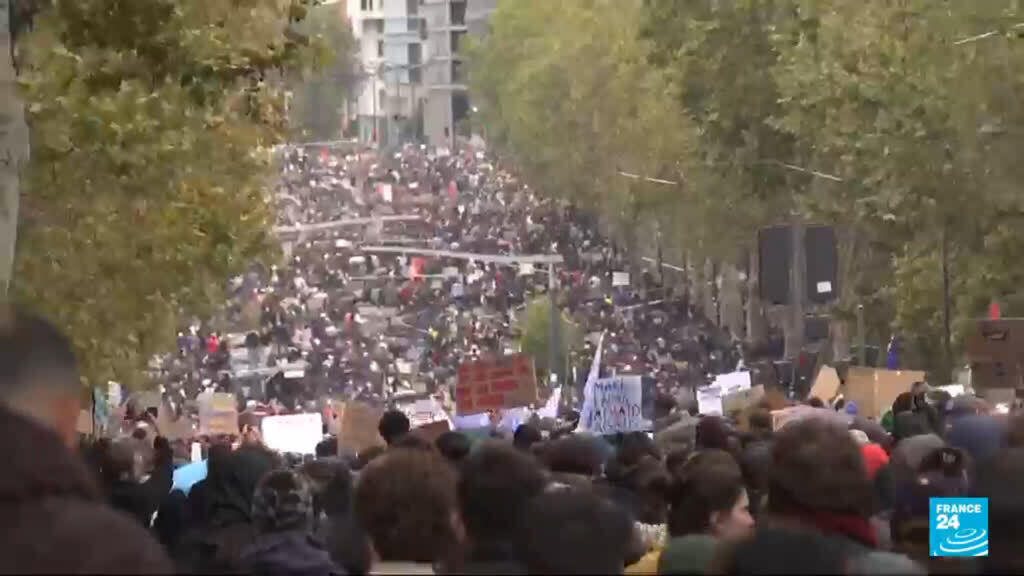
A student-led movement in Serbia has reportedly won an electoral victory over the political establishment of President Aleksandar Vučić, a result that a London-based foreign policy analyst describes as a historic turning point in the country's politics. The development was discussed on a France 24 programme with Helena Ivanov, Associate Research Fellow at the Henry Jackson Society, a think tank that promotes liberal democracy, strong transatlantic alliances and the international promotion of democratic institutions.
Ivanov said the outcome marks more than a challenge to an entrenched political order. After 14 years of Vučić's dominance over Serbian public life, the reported win by a movement built around students signals a shift in how voters are willing to confront those in power. The headline message of her analysis, that corrupt leaders should now be afraid, reflects her view that the result sends a warning to governments elsewhere that have relied on long-standing political control.
The Serbian protest movement that has grown since late 2024 has been driven largely by students, who initially rallied after the collapse of a railway station canopy in Novi Sad that killed 16 people. Protesters have since demanded accountability for corruption, transparency in public institutions and early elections. Vučić has rejected accusations of corruption and has framed the demonstrations as an attempt at destabilisation, positions that his supporters have maintained throughout the campaign.
Analysts following the vote say the movement's success depended on sustained mobilisation across cities and towns, as well as on a generation of younger voters who have organised largely outside traditional party structures. Ivanov's comments suggest that the significance of the result extends beyond Serbia's borders, particularly for other governments in the region and in Europe that face questions about governance, anti-corruption efforts and democratic accountability.
The reported victory has not yet been accompanied by a detailed account in the programme of the final vote tally, the composition of any new governing arrangement or the response from Vučić's party, and those details should be confirmed through official Serbian electoral authorities before the result is treated as settled. What the analysis does establish is that, in the view of observers such as Ivanov, a movement led by students has altered the political landscape of a country where one leader had held dominant influence for well over a decade.
2