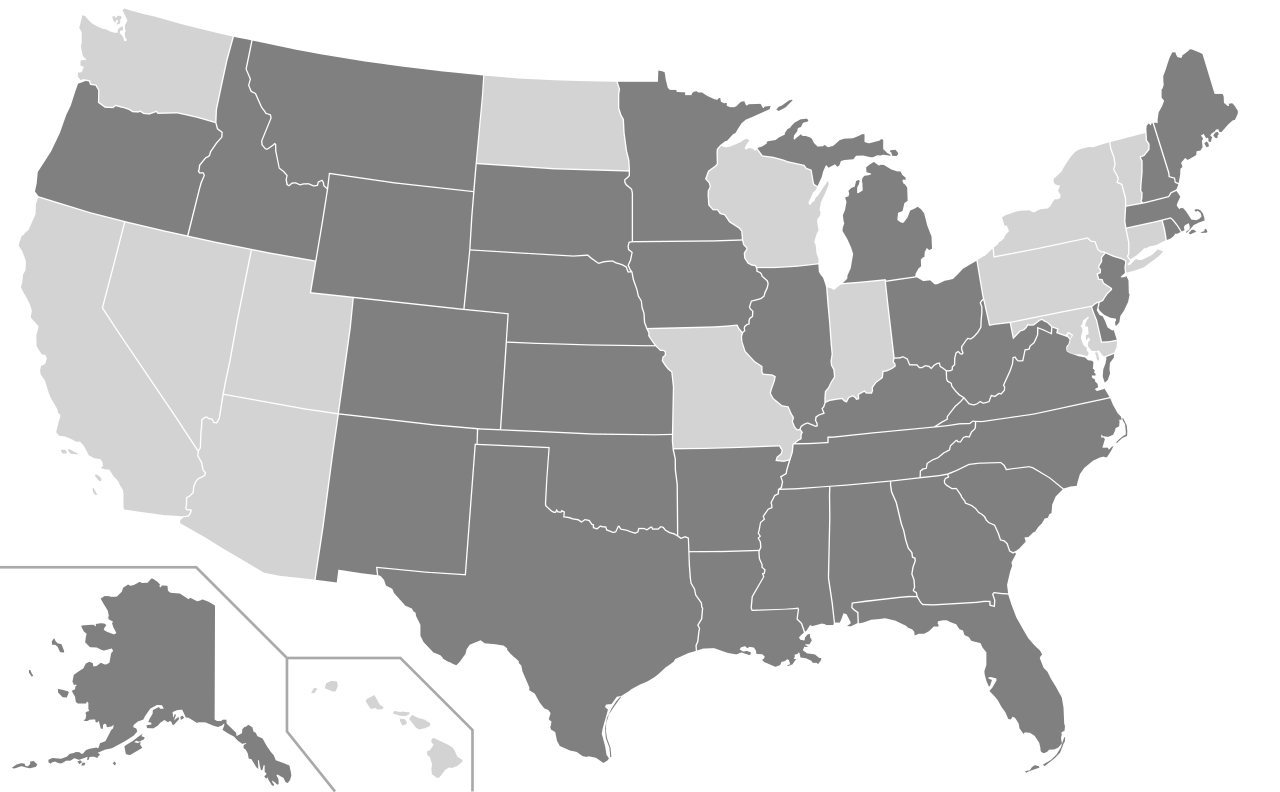
Polling stations opened across the United States on Tuesday for the 2026 midterm elections, with key Senate and House races expected to determine which party controls Congress for the remainder of Donald Trump's second term. The vote has been widely presented as a referendum on the president's agenda, and the Guardian's live coverage of the day has focused on the contests that could tip the balance of power in Washington.
Control of either chamber would shape how far the administration can push its legislative priorities over the next two years and how closely it is scrutinised by Congress. The races to watch are those where the outcome is most uncertain, and the results are likely to be read as a measure of public support for the president's direction at home and abroad.
The timing of the vote has also drawn attention to foreign policy. The Guardian reported that the United States attacked Qeshm Island in southern Iran on Monday, a day before Americans went to the polls. The strike came after Trump downplayed the chances of a return to war with Tehran following the midterm elections.
Speaking to journalists on Monday, Trump said: « We had a war with Iran. We won. » He went on: « I don't know if you even call it a war because we haven't been doing any fighting for months. » His remarks suggested that active combat had largely stopped for some time, yet the reported attack on Qeshm Island indicated that military action had not entirely ended.
The contrast between the president's assurances and the strike reported on the eve of the vote leaves open questions about the state of hostilities between Washington and Tehran. Analysts following the campaign are likely to watch whether the administration's public messaging on Iran is reflected in its conduct in the weeks after the ballots are counted.
For American voters, the election will test how the public judges the administration's record on both domestic and foreign policy. For Iran and the wider region, the coming weeks will show whether the president's stated intention to avoid renewed conflict holds once the election is over.
2