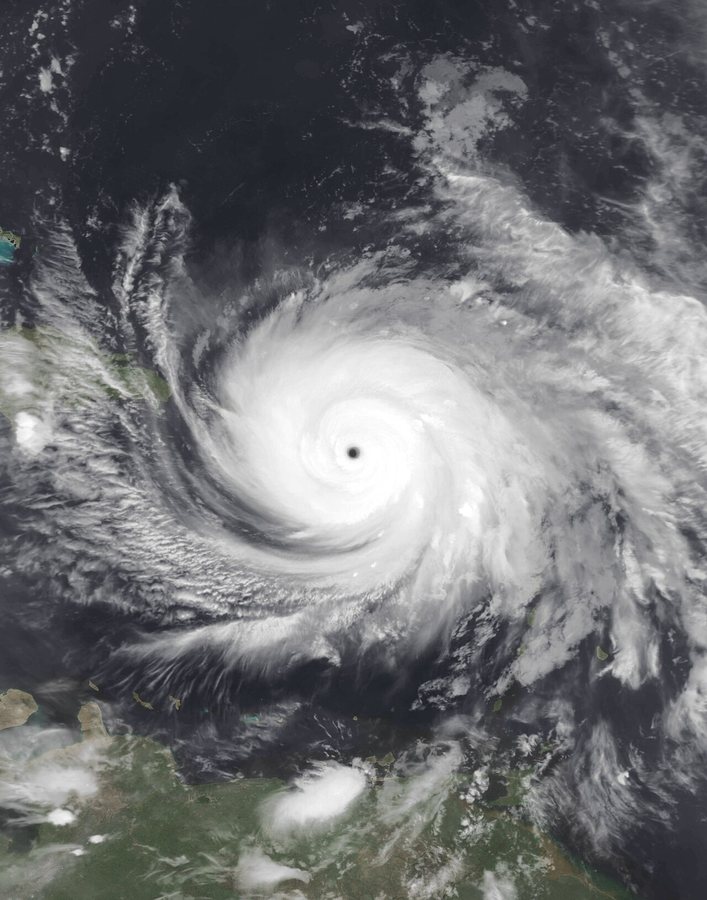
Dominica has remembered the passage of Hurricane Maria nine years after the Category 5 storm devastated the island, with Prime Minister Roosevelt Skerrit confirming that 34 nationals are still reported missing in addition to the 31 people killed.
The Prime Minister said the missing remain unaccounted for nearly a decade after the hurricane struck on the night of September 18, 2017, tearing through the island at peak intensity and leaving what officials have described as an unprecedented trail of destruction.
Maria made landfall in Dominica as a Category 5 hurricane, with sustained winds that stripped roofs from buildings, flattened crops and cut off communities across the island. The storm damaged or destroyed thousands of homes and knocked out power, water and communications for weeks, isolating villages from Portsmouth to Grand Bay and the Kalinago Territory.
The official death toll stands at 31, but the Prime Minister's statement that 34 people are still listed as missing underlines the human cost that families continue to carry. For many households, the absence of a confirmed outcome has meant years of uncertainty, even as the physical rebuilding of the island has moved forward.
Maria's impact reshaped Dominica's approach to disaster preparedness and national development. In the years since, the island has placed greater emphasis on resilient housing, early warning systems and the work of the Office of Disaster Management and the Dominica Meteorological Service, which issue official alerts and vigilance colours during the Atlantic hurricane season.
The anniversary falls within the peak months of the hurricane season, a period when residents are urged to monitor official bulletins, know their nearest shelter and keep emergency supplies ready. Officials have consistently stressed that vigilance colours — green, yellow, orange and red — are issued to guide public action, and that residents should follow instructions from the Office of Disaster Management without waiting for conditions to worsen.
Dominica's recovery from Maria has been widely cited as an example of a small island state rebuilding with resilience in mind. The storm struck less than two weeks after Hurricane Irma passed near the region, and the two events together prompted a renewed regional focus on climate adaptation and disaster risk reduction across the Caribbean.
For Dominicans at home and across the diaspora, the anniversary is a moment of remembrance for those who died and for the families still waiting for answers about loved ones reported missing. The Prime Minister's figures serve as a reminder that the storm's accounting is not yet complete.
As the island marks nine years since that night, the priority for authorities remains the same as in any active storm threat: listen to official warnings, prepare early and look out for neighbours, particularly the elderly and vulnerable. The Atlantic hurricane season continues, and the lessons of Maria remain central to how Dominica prepares for the next system that may come its way.
2