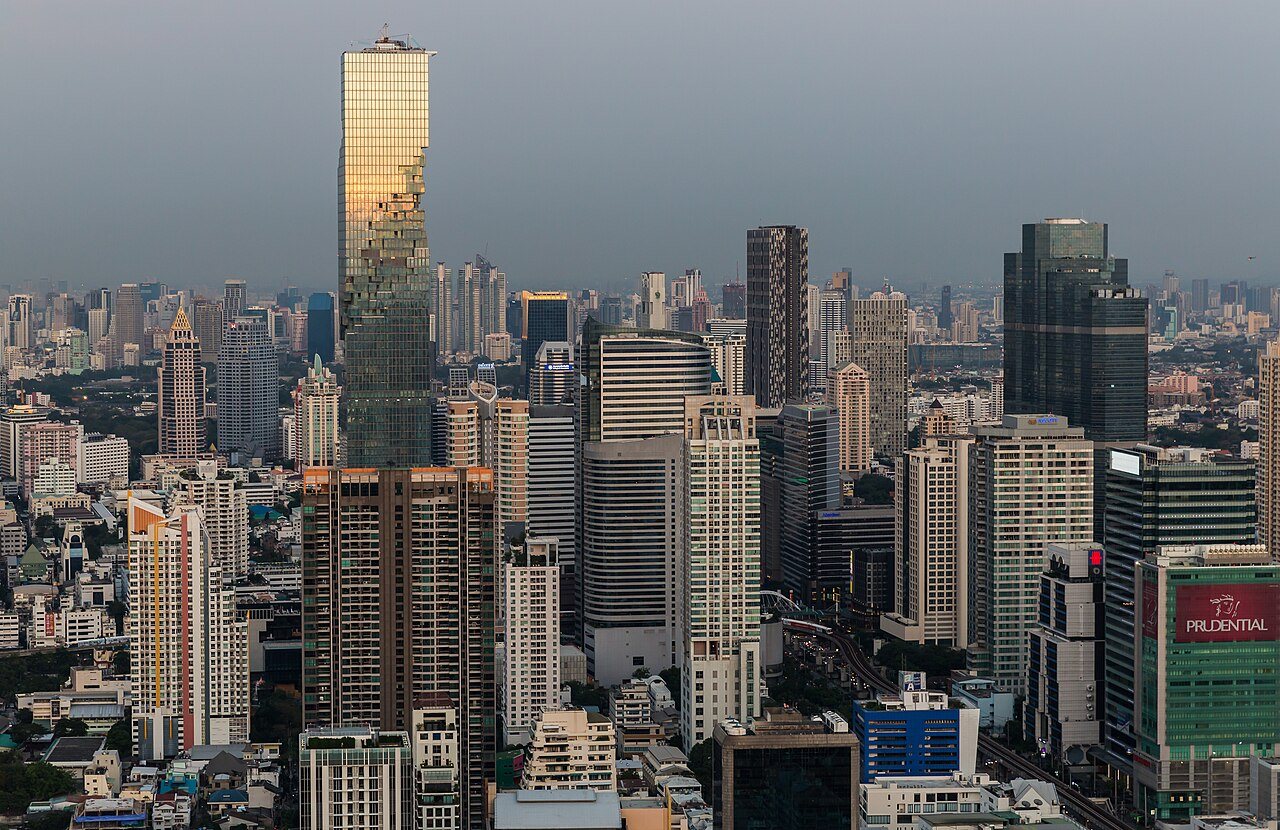
Bangkok has been pushed to breaking point after extreme rainfall turned entire neighbourhoods into stagnant lakes, leaving at least 40 people dead and forcing authorities to declare a disaster across all 50 of the city's districts.
Roughly 300mm of rain — the equivalent of half a year of average rainfall in London — fell in about two days in parts of the Thai capital, overwhelming a city that is accustomed to absorbing sudden afternoon downpours during the rainy season.
Even streets in many central high-rise districts can briefly turn into rivers during ordinary storms, with rats and cockroaches racing out of sewers and taking temporary refuge on trees and buildings as the subterranean world is flushed out. But this year the rain fell so fast and so hard that whole neighbourhoods were transformed, not into rivers, but into stagnant lakes.
The scale of the disaster has prompted warnings from experts that extreme flooding will only worsen across south-east Asia, a region already highly vulnerable to the effects of a changing climate.
The death toll of 40 and the disaster declaration covering all 50 city districts underline the severity of the event, which has disrupted daily life across the Thai capital and left residents grappling with standing water in areas that normally drain quickly.
Bangkok's vulnerability to flooding is well documented. The city sits on low-lying ground and has long relied on an extensive network of canals, pumps and drainage tunnels to cope with seasonal rains. But when rainfall arrives at the intensity seen this year, those systems are stretched beyond their capacity.
The stagnant lakes that have replaced streets in many neighbourhoods pose additional risks, including the spread of disease and the contamination of water supplies, as well as the practical difficulty of moving people, goods and emergency services through affected areas.
The disaster declaration across all 50 districts gives authorities broad powers to coordinate relief and recovery, but the sheer scale of the flooding means the response will be complex and prolonged.
Experts caution that the events in Bangkok are not isolated. Across south-east Asia, extreme rainfall events are becoming more frequent and more intense, raising questions about how cities in the region can adapt to a future in which the kind of downpour that once seemed exceptional becomes more common.
For now, the immediate priority is the safety and wellbeing of residents in a capital city of millions, many of whom are dealing with the aftermath of floods that arrived with little warning and have yet to fully recede.
2