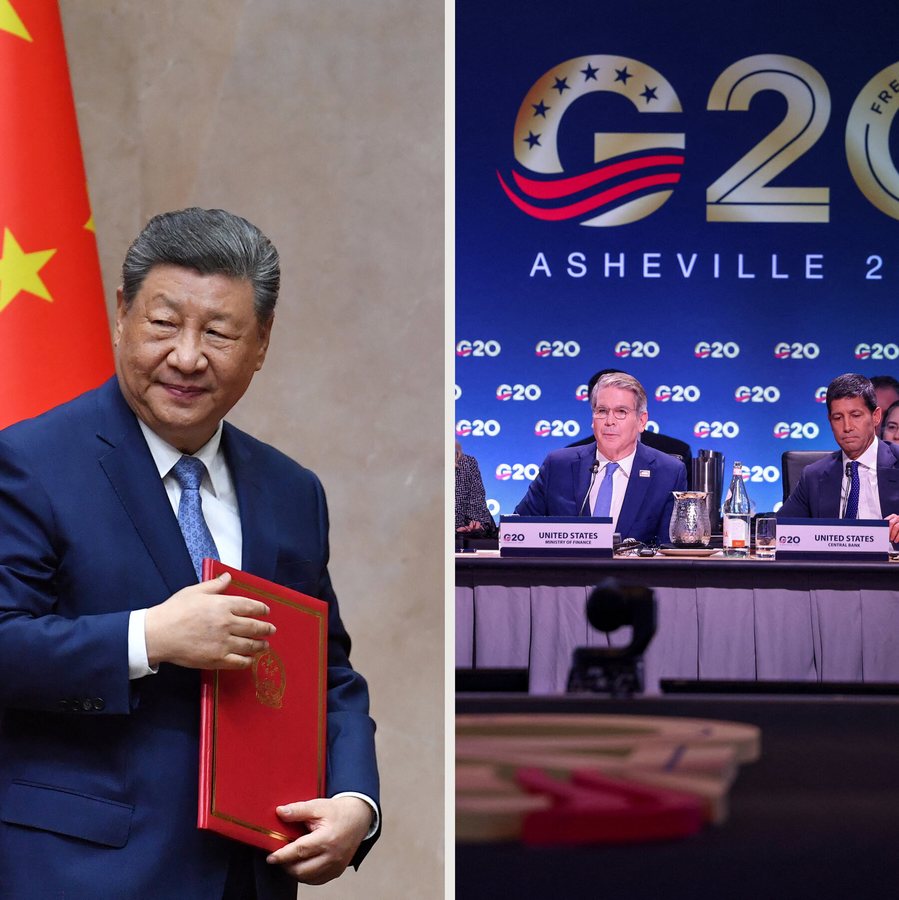
Two international gatherings this week presented competing visions of global leadership, as China and the United States each convened summits that drew world leaders to rival stages. The duelling meetings underscored the widening geopolitical divide and offered starkly different models of international engagement.
China's event, held in Bishkek, the capital of Kyrgyzstan, brought together leaders from across Asia and beyond in a display of Beijing's expanding diplomatic reach. The gathering emphasised infrastructure investment, trade connectivity and multilateral cooperation under Chinese initiative, with participating nations signalling closer economic ties with Beijing.
Meanwhile, the United States hosted its own summit, assembling allies and partners in a show of traditional Western alliance solidarity. The American-led meeting focused on shared security commitments, democratic governance and collective responses to global challenges, reinforcing Washington's role as coordinator of its established network of allies.
The near-simultaneous scheduling of the two summits was widely read as deliberate, with each power seeking to project authority on the world stage. Diplomats noted that the competing calendars forced some nations to choose which gathering to attend, a decision that carried symbolic weight in an era of intensifying rivalry between the world's two largest economies.
Analysts observed that the split attendance reflected a broader realignment in international affairs, with many developing nations seeking to maintain ties with both powers while avoiding outright alignment. Several countries sent delegations to both events, attempting to balance their relationships and preserve diplomatic flexibility.
The Bishkek gathering highlighted China's growing influence in Central Asia, a region historically within Russia's sphere of influence but increasingly courted by Beijing through investment and infrastructure projects. Leaders from the region used the occasion to discuss trade corridors, energy cooperation and development financing.
The United States summit, by contrast, reinforced the transatlantic and Indo-Pacific alliances that have formed the backbone of American foreign policy for decades. Discussions centred on security cooperation, technology standards and economic resilience, with participants reaffirming commitments to shared democratic values.
The juxtaposition of the two meetings comes at a moment of heightened competition for influence across the Global South, where many nations are weighing the benefits of engagement with both powers. Small states, including those in the Caribbean, have watched the rivalry closely, seeking to benefit from development assistance and investment from multiple sources while maintaining their sovereign independence.
Observers noted that the two summits also reflected differing approaches to global governance. China's gathering promoted its vision of a multipolar world order with revised international institutions, while the United States emphasised strengthening the existing rules-based system that has prevailed since the Second World War.
The full outcomes of both meetings are expected to emerge in the coming weeks as joint statements and specific agreements are announced. For now, the symbolic significance of two rival summits held in the same week is clear: the contest for global leadership is no longer abstract, but playing out in the diplomatic calendars of the world's nations.
42