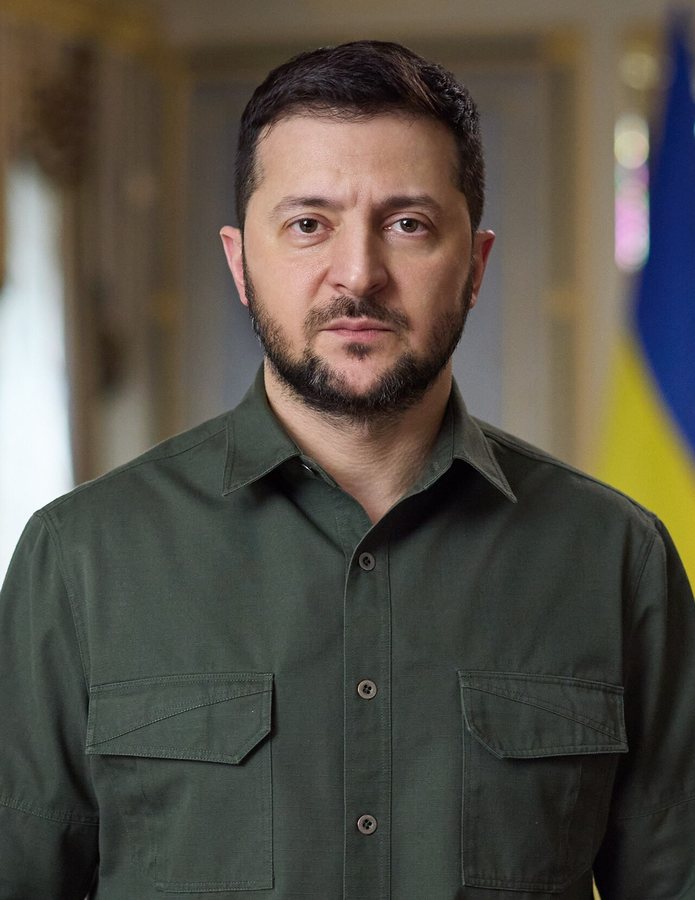
Ukraine's President Volodymyr Zelenskyy has accused SpaceX of restricting access to Starshield, the military-grade satellite communications service that Ukrainian forces rely on for drone strike missions and air defence, according to a report by The Guardian.
The restriction, described as a sudden shift, has been framed by Zelenskyy as a betrayal by US President Donald Trump. The development has drawn attention to the relationship between Elon Musk's SpaceX, the Pentagon and the battlefield capabilities of Ukraine.
Starshield is a powerful military version of Starlink, SpaceX's commercial satellite internet service. While Starlink provides broadband connectivity to civilian users around the world, Starshield is designed specifically for government and military applications, offering secure communications and other capabilities suited to defence operations.
For Ukraine, access to such a service is not a convenience but a component of its ability to conduct modern warfare. Drone operations and air defence systems depend on reliable, low-latency communications that can survive jamming and disruption. Restricting that access, even partially, can degrade the effectiveness of those systems.
The report notes that the shift has put the spotlight on how SpaceX and the Pentagon control the crucial service. The ability to switch access on or off from a distance raises questions about the dependency of national defence on private companies and the political decisions that may influence their operations.
Zelenskyy's accusation of betrayal by Trump suggests a political dimension to the restriction. The framing indicates that the Ukrainian leadership sees the move not merely as a commercial or technical decision but as a geopolitical act with direct consequences for its defence against Russian forces.
The consequences for Ukraine are described as dire. Drone strike missions and air defences are central to its military strategy, and any limitation on the communications that coordinate them could leave Ukrainian forces more exposed and less able to respond to threats.
The episode also highlights the broader issue of reliance on satellite communications in contemporary conflict. As armies integrate commercial and military satellite networks into their operations, the companies that own those networks become significant actors in international security.
SpaceX has not commented in the report on the specifics of the restriction. The Pentagon's role in controlling Starshield access remains a central question, given that the system was developed for the US military.
For observers of the war, the development underscores how quickly battlefield advantages can be affected by decisions made far from the front line. The spotlight now falls on whether the restriction will be reversed, and on what terms Ukraine can continue to use the service.
4