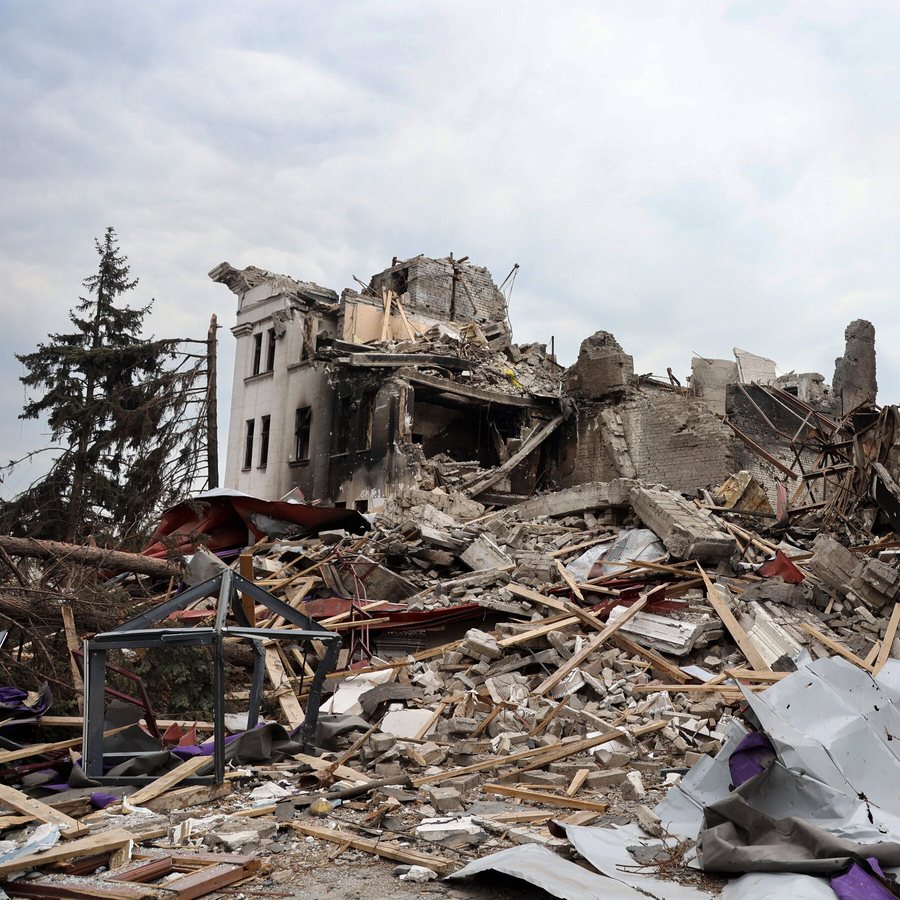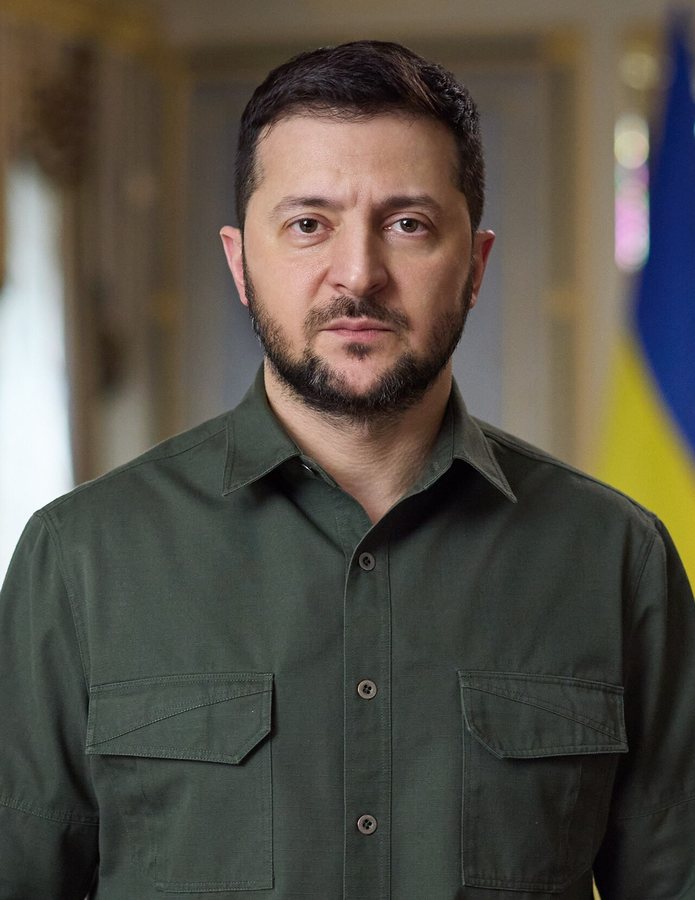
Russian attacks on Ukraine have left 600,000 people without electricity, Ukrainian President Volodymyr Zelenskyy said, accusing Moscow of targeting «infrastructure covered by the ceasefire announced by the American president».
The strikes have renewed concerns over Ukraine's energy network as winter approaches, with repeated damage to power generation and distribution facilities in recent months. Emergency crews are working to restore supply, though the scale of the damage has not been fully detailed.
Zelenskyy's remarks signal growing frustration in Kyiv over the pace of diplomatic efforts led by Washington. The Ukrainian leader has repeatedly called for stronger enforcement of any ceasefire arrangements, arguing that attacks on civilian infrastructure undermine the credibility of negotiations.
In a separate development, Ukrainian soldiers have had their access to Starlink satellite internet restricted in Berlin, according to reports. The restriction affects connectivity used for military communications and coordination, though the exact scope and duration remain unclear.
Meanwhile, a Ukrainian soldier is to go on trial in Hamburg, accused of taking part in one of the most brazen acts of sabotage in postwar European history — the 2022 attack on the Nord Stream gas pipelines between Russia and Germany. The trial is expected to draw significant attention in both countries.
The Nord Stream explosions in September 2022 damaged three of the four pipelines running under the Baltic Sea, cutting a key route for Russian gas exports to Europe. The incident heightened tensions between Moscow and Western capitals and prompted investigations in several countries.
The case in Hamburg is one of the few to reach a courtroom in connection with the sabotage. German authorities have not publicly detailed the evidence against the accused, and the trial will be closely watched for any indication of how the operation was organised.
For Ukraine, the combination of continued Russian strikes, restrictions on satellite communications and legal proceedings abroad adds to the pressures facing the government as it seeks to maintain military and public resilience.
Zelenskyy has consistently framed Russian attacks on infrastructure as an attempt to break civilian morale. The latest figures — 600,000 people without power — underline the practical impact of each wave of strikes on households, hospitals and businesses.
Western officials have not yet responded publicly to the specific claim about the ceasefire-covered infrastructure. The United States has been pushing for a negotiated pause in fighting, but the mechanics of any truce remain contested.
The trial in Hamburg and the Starlink restrictions in Berlin suggest that the legal and technological dimensions of the conflict are increasingly playing out beyond Ukraine's borders. Both developments are likely to feature in diplomatic discussions in the coming weeks.
Ukrainian officials have not commented on the specifics of the Hamburg case. The soldier's identity has not been released, and it is not clear whether he has legal representation or how he will plead.
For now, the immediate focus in Ukraine remains on restoring power to the 600,000 affected and preparing for further attacks. Zelenskyy's message to Washington is that Moscow is not taking the ceasefire process seriously — a charge the Kremlin has previously denied.
2