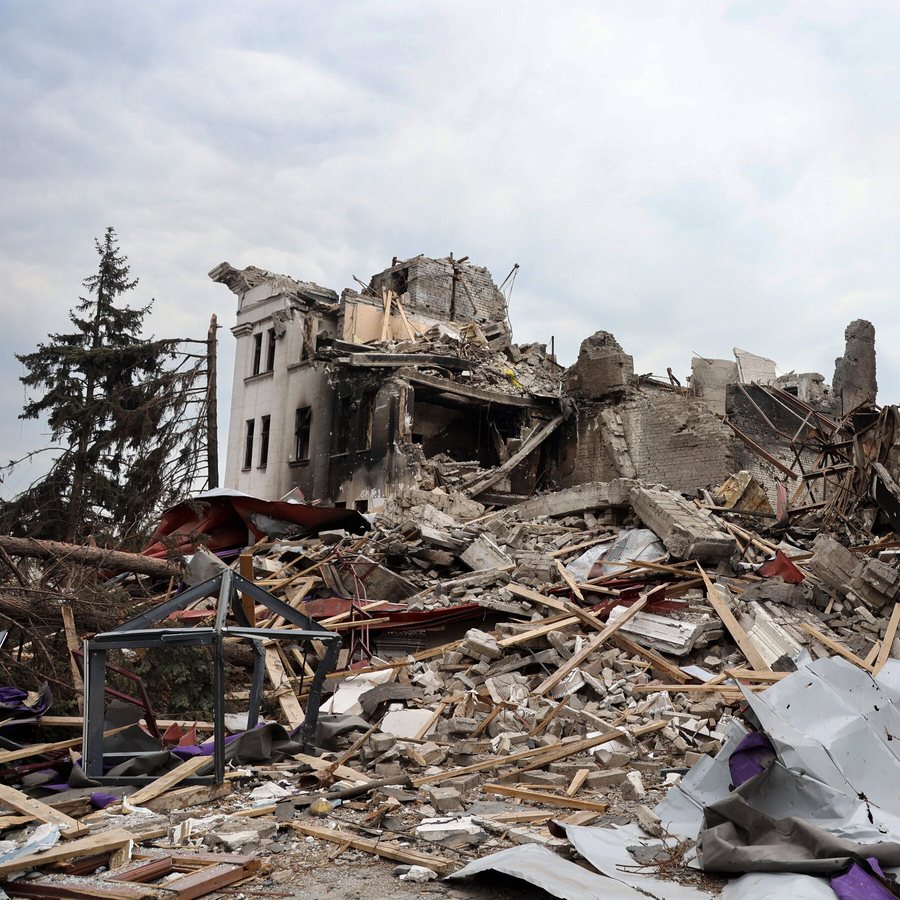
A Russian documentary film about the 2022 bombing of a theatre in Mariupol, eastern Ukraine, is drawing international attention for presenting an account of the attack that differs sharply from the established record. The film, which focuses on the destruction of the building, has been criticised for seeking to rewrite the history of an incident that killed hundreds of civilians.
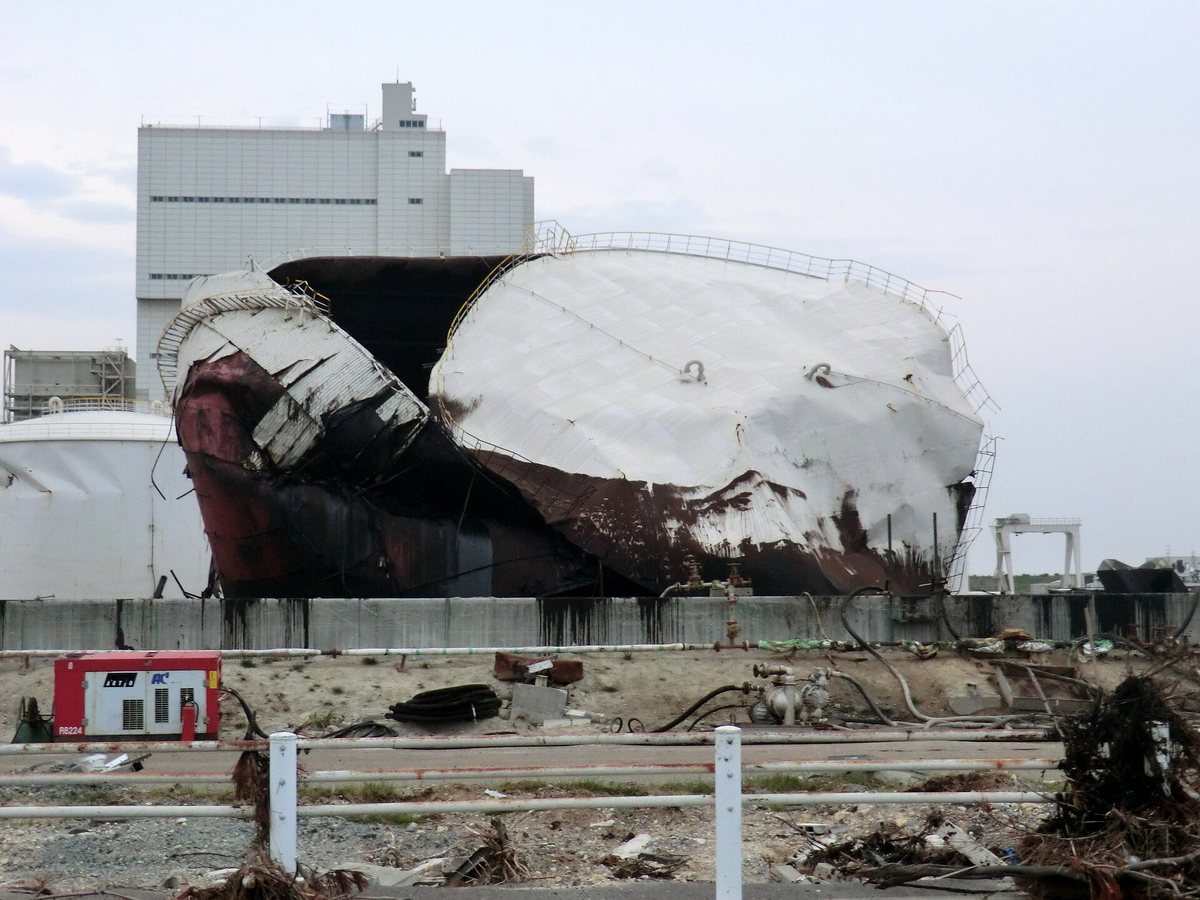
The theatre in Mariupol was struck by a Russian airstrike in March 2022, at a time when the city was under siege. The building had been sheltering civilians, many of them women and children, and the attack became one of the most widely documented episodes of the war's early months. Photographs taken in April 2022, when the area was under pro-Russian control, showed the remains of the theatre and the surrounding destruction.
The new film is said to rely on witness accounts that support a narrative at odds with the findings of international observers and journalists who documented the attack. It is part of a broader pattern of competing information about the war in Ukraine, in which Russia and Ukraine have offered sharply different accounts of civilian casualties and military actions.
For audiences in the Caribbean and elsewhere, the controversy underscores the difficulty of verifying claims in modern conflict. Small island states, including the Commonwealth of Dominica, have consistently supported international law and the protection of civilians in armed conflict through their membership in the United Nations and regional bodies such as CARICOM.
The bombing of the Mariupol theatre has been the subject of extensive reporting and investigation since 2022. Estimates of the death toll have varied, but the incident has been widely described as one of the deadliest single attacks on civilians in the conflict. The release of a film that challenges this record raises questions about how historical events are remembered and contested.
There has been no indication that the film will be widely distributed outside Russia and territories aligned with it. International observers have noted that such productions often circulate primarily within domestic media environments, where they can shape public understanding of events that are otherwise difficult to verify independently.
The Commonwealth of Dominica has no direct involvement in the matter. The country maintains a policy of engagement with international partners and has historically supported multilateral efforts to uphold humanitarian principles. The controversy over the film is a reminder of the importance of verified information in times of conflict.
2