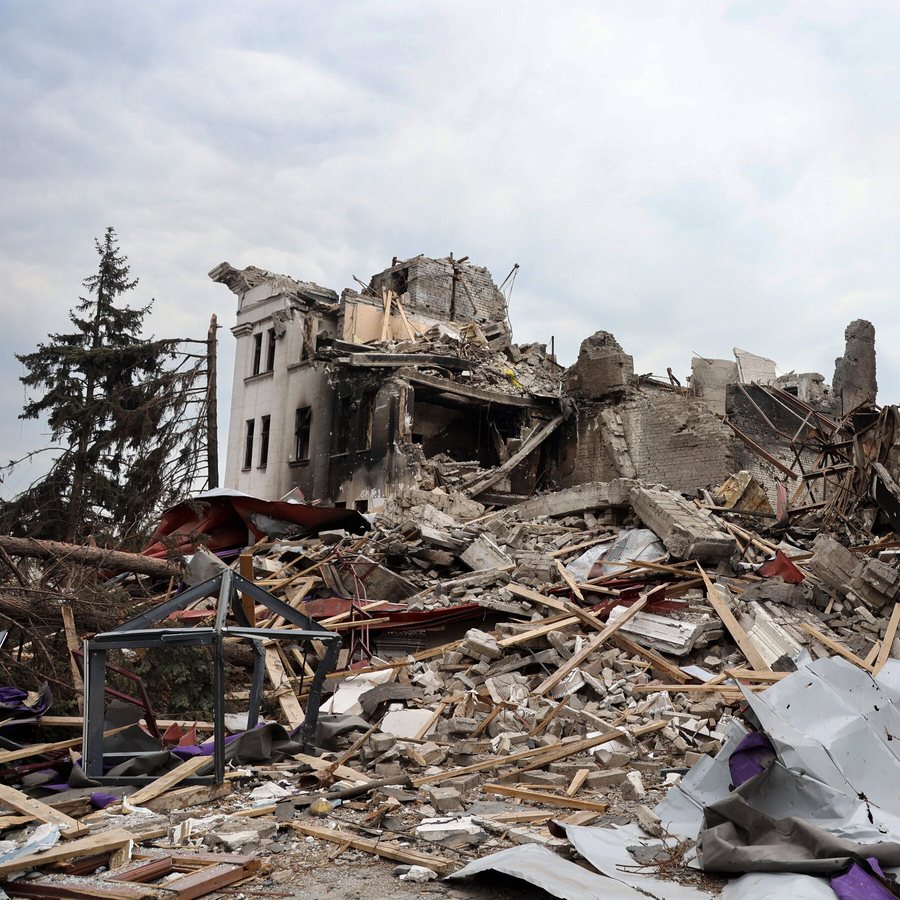
Ukrainian President Volodymyr Zelenskyy has accused Russia of violating a partial energy ceasefire announced by United States President Donald Trump, saying a Kyiv power plant was among the facilities struck after the deal was made public.
The Kremlin has not confirmed that any such agreement exists. Zelenskyy himself said the arrangement was «news to me», casting doubt on the scope and durability of the truce that Washington presented as a step toward de-escalation in the war.
The reported energy ceasefire was intended to halt strikes on power infrastructure on both sides. Ukraine's account that a generating plant in the capital was hit suggests that, if the deal was ever in force, it has already been broken.
Speaking at a security conference in Warsaw, Polish Prime Minister Donald Tusk said Russia wants to «dominate» Ukraine and poses a grave threat to NATO. He warned that Moscow seeks to dismantle the existing security architecture in Europe to restore the sphere of influence it held before 1989.
«We welcome the energy ceasefire when it holds», Tusk said. «We haven't yet seen that also Russia will stick to it.» His remarks reflected widespread scepticism among NATO allies about whether Moscow can be trusted to honour any partial truce while its forces continue to press along the front line.
The episode underlines the difficulty of securing even limited agreements in a conflict that has repeatedly defied diplomatic efforts. An energy ceasefire, if observed, would have offered some relief to civilians facing winter power shortages, but the reported strike on Kyiv's generating capacity points to the opposite direction.
Trump had announced the partial ceasefire as a breakthrough, but the absence of confirmation from the Kremlin and Zelenskyy's own surprise at the news have left allies uncertain about what was actually agreed, by whom, and whether it remains in effect.
For NATO members, particularly those on the eastern flank such as Poland, the exchange reinforces long-standing concerns about Russia's intentions. Tusk's warning that Moscow aims to roll back the post-1989 security order is a view shared by several governments in the region, which have argued for continued military support for Ukraine and strengthened defences.
There was no immediate comment from the Kremlin on the specific allegation that Russian forces struck the Kyiv plant after the ceasefire was announced. The situation remains fluid, with officials on all sides offering differing accounts of what the arrangement covers and whether it is being respected.
What is clear is that the violence has not stopped. The reported attack on the capital's power infrastructure is the latest indication that any pause in strikes on energy targets remains fragile at best, and that the wider war continues with no sign of a broader settlement.
2