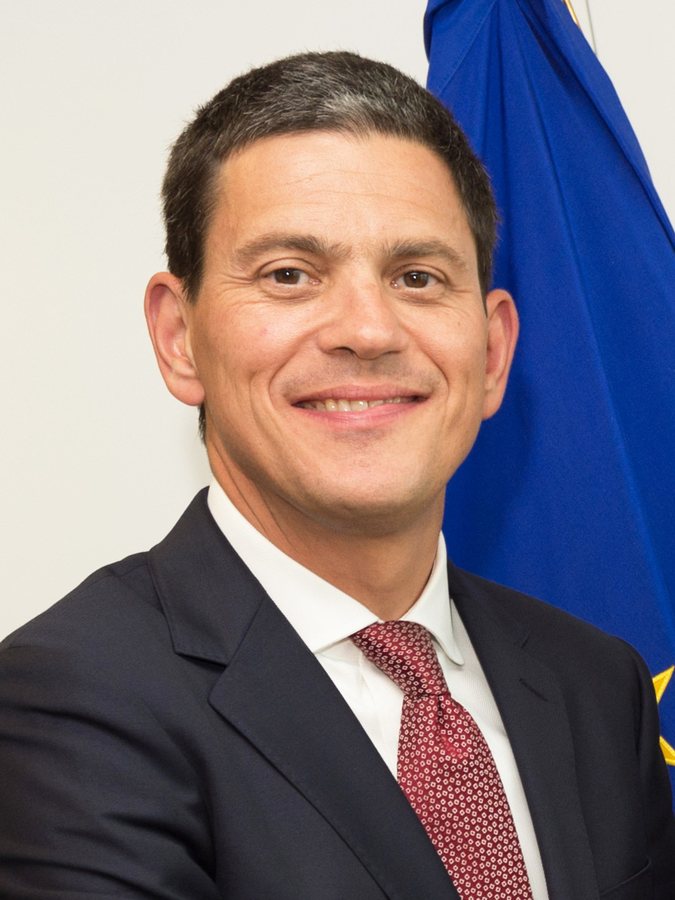
Europe must take «big decisions» on the use of frozen Russian assets, and the United Kingdom is ready to work with the European Union on the matter, UK Foreign Secretary David Miliband has said as allied governments weigh how to keep financial pressure on Moscow.
Miliband said Europe needed to «redouble our efforts on sanctions», signalling that London would coordinate closely with Brussels on any move affecting the immobilised Russian reserves held in Western jurisdictions since the full-scale invasion of Ukraine.
The question of what to do with the frozen assets has divided allies. Poland's Foreign Minister Radosław Sikorski described the issue as «a complicated» one but left no doubt about his opposition to any suggestion that the funds could be handed back to Russia.
«We are working on it, but there is also some rumours that some people are expecting these assets to be released back to Russia. I don't think I'm speaking just for myself in saying: over our dead bodies,» Sikorski said.
His remarks underline the sensitivity of a debate that pits legal caution in some capitals against calls in others for the money to be used to fund Ukraine's defence and reconstruction. The assets have been frozen rather than confiscated, and any decision to release or repurpose them would carry significant legal and diplomatic consequences.
Sikorski also said Russia was not ready for a ceasefire, arguing that this should encourage Ukraine's partners to stay the course and increase pressure on Moscow while remaining open to negotiations.
«Russia right now is not ready for ceasefire, but still, this only can encourage us to stay with Ukraine and to strengthen the pressure on Russia and always be ready for conversations, but also especially for ceasefire negotiations,» he said.
«But until this doesn't happen, we are with Ukraine. We are with the president. The German government is backing the Ukrainian government and the president, completely. He is the person to lead Ukraine, and we are with him.»
The comments came as European governments continued to discuss sanctions policy and military support for Kyiv. The debate over the frozen assets is central to those discussions, because the sums involved are large enough to matter for Ukraine's budget and for the credibility of the sanctions regime.
For Caribbean governments, the outcome is being watched closely. The Eastern Caribbean has felt the knock-on effects of the war through higher fuel and food import costs, and any decision that strengthens or weakens the sanctions regime could influence global energy prices and shipping conditions.
Dominica, like its OECS neighbours, has consistently supported Ukraine's sovereignty and territorial integrity in international forums while managing the economic pressures the conflict has placed on small island states.
Miliband's offer to work with the EU suggests London wants to remain part of the conversation even after Brexit, particularly on measures that require coordination across multiple jurisdictions where Russian reserves are held.
No timeline has been set for a decision, and officials gave no indication that a common position is imminent. The discussion is expected to continue in the coming weeks as European capitals weigh the legal risks against the political and financial pressure on Moscow.
For now, the message from Warsaw and London is that the assets will not be returned to Russia without a fight, and that sanctions pressure is set to remain a central tool in the response to the war.
2