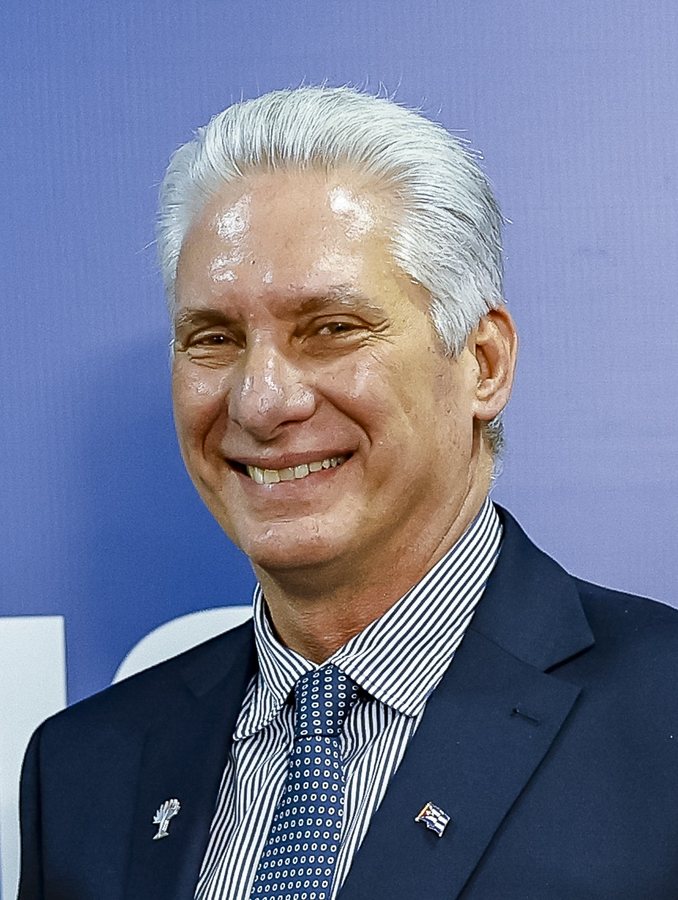
Cuban President Miguel Díaz-Canel has directly linked food production and distribution difficulties in Cuba to longstanding United States economic restrictions, using a video address to the 2026 World Food Forum to call for stronger international cooperation against hunger.
In the message delivered to the forum, Díaz-Canel said the US measures have constrained the island's ability to produce and move food, and he urged the international community to treat access to food as a shared responsibility rather than a matter for individual states to manage alone.
The Cuban leader's intervention places the Caribbean's largest island at the centre of a debate that resonates across the region, where small economies remain exposed to import costs, shipping disruptions and the wider effects of geopolitical tension. For Dominica and its OECS neighbours, Cuba is both a nearby partner in health and education cooperation and a reminder of how external pressure can shape food security.
Díaz-Canel's remarks come as Cuba continues to face shortages of basic goods, including staple foods, and as Havana presses its case in international forums where it has historically found support among Caribbean and developing countries. The World Food Forum, convened under the auspices of the United Nations food and agriculture system, brings together governments, farmers' organisations and civil society to discuss ways of reducing hunger and building more resilient food systems.
The Cuban president's argument is that the US embargo, in place in various forms for more than six decades, restricts access to financing, fuel, machinery, seeds and other inputs that Cuban farmers and distributors need. Washington has long maintained that its measures are aimed at the Cuban government and not at the Cuban people, and that humanitarian exemptions exist for food and medicine. That dispute has been argued repeatedly at the United Nations, where the General Assembly has for years voted overwhelmingly for a resolution calling for an end to the embargo.
For Caribbean governments, the question is not abstract. Regional leaders have consistently opposed unilateral sanctions on Cuba, arguing that they harm ordinary citizens and complicate regional trade, transport and cooperation. Cuba supplies doctors, nurses and teachers to several Eastern Caribbean states under long-standing cooperation agreements, and it is a member of the Caribbean Community's wider family of partners.
Food security has become a central theme in CARICOM, which has set a target of reducing the region's large food import bill. Hurricanes, drought and global price shocks have made that goal harder to reach, and Caribbean agriculture ministers have repeatedly stressed the need for investment in local production, irrigation and storage.
Díaz-Canel's address did not announce new Cuban policy measures. Instead, it framed the island's difficulties as part of a wider global problem and appealed for solidarity among nations facing similar constraints. The message is likely to be echoed by Cuba's allies in the Caribbean and beyond, who argue that food should not be treated as a weapon in political disputes.
For Dominica, the story is a reminder of how connected the Caribbean remains to decisions taken far beyond its shores. Rising shipping costs, fuel prices and import dependence affect every island in the chain, and the region's push for greater self-sufficiency in food is driven by the same concerns that Díaz-Canel raised in his forum message.
The Cuban president's intervention at the World Food Forum keeps the sanctions debate alive at a time when global hunger levels remain a pressing concern for developing countries. Whether it shifts the wider conversation remains to be seen, but it reinforces a position that Caribbean governments have taken for years.
2