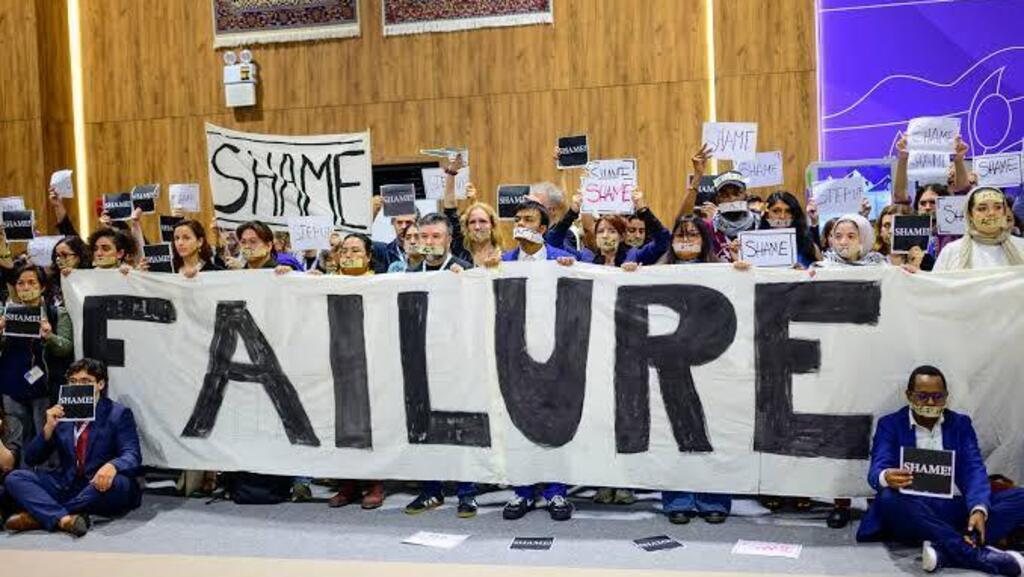
The COP31 United Nations climate conference ended without a final agreement after the European Union rejected a draft text that did not explicitly mention fossil fuels. The impasse leaves negotiators without a consensus document on the central question of how the world should move away from the fuels most responsible for greenhouse gas emissions.
The source material available for this report describes the EU's objection as the decisive point of dispute. Delegates who wanted the outcome text to name fossil fuels directly argued that omitting them would weaken the commitment to cutting emissions. Other parties resisted explicit language, leaving the final draft in a form the EU would not accept.
For Caribbean and small island states such as Dominica, the outcome of the climate talks carries particular weight. Low-lying coastal communities and island economies are among those most exposed to rising sea levels, stronger storms and shifting rainfall patterns, and they depend on the global climate framework to secure adaptation support and emissions reductions by larger economies.
The collapse of the talks without a deal means the next round of negotiations will begin with the fossil fuel question still unresolved. Observers following the process are likely to focus on whether the parties can bridge their positions before the next conference, and on whether the absence of an agreed text delays action on the funding and adaptation commitments that vulnerable nations have long sought.
6