A court has ruled that the destruction of a Rohingya village in Myanmar amounted to genocide, a finding that gives formal legal weight to the experiences of families who were killed or forced to flee. The ruling concerns a village that was burned, with many of its residents either killed or driven into exile.
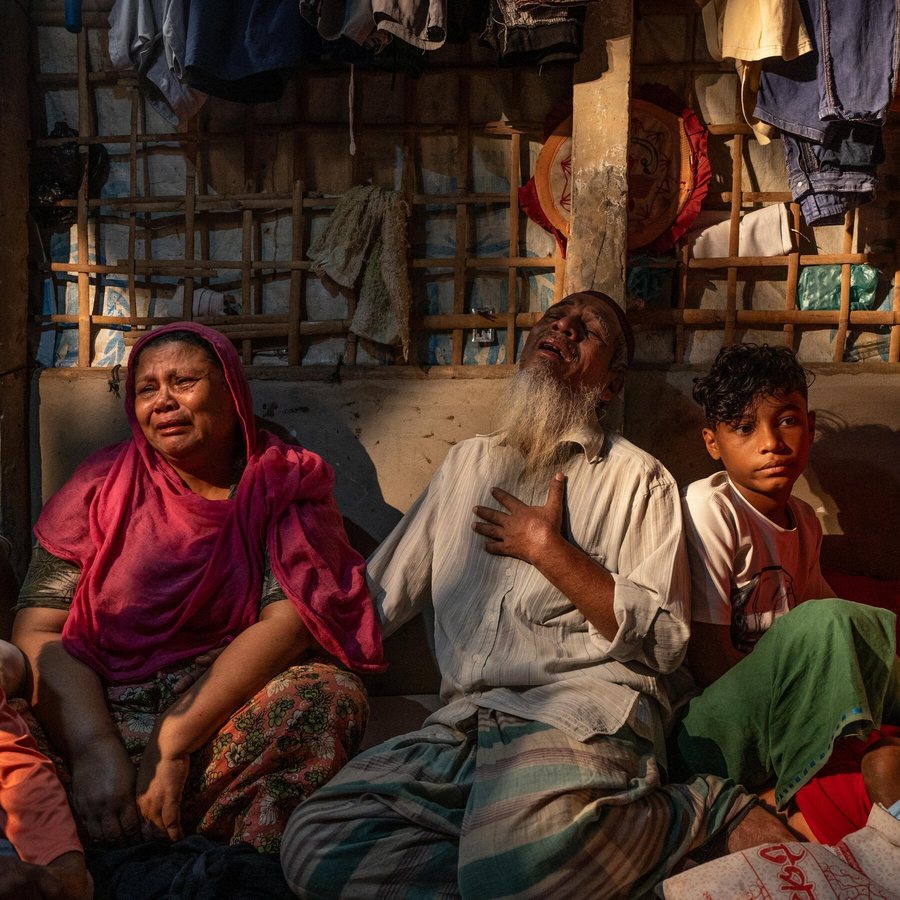
Among those who fled are Mustafa Kamal and Toyuba Khatun, who once lived a comfortable life in Myanmar. For nearly a decade, the couple and their family have lived in a refugee camp in Cox's Bazar, Bangladesh, far from the home they left behind. Their story illustrates how a community that was once settled and self-sufficient was reduced to dependence on aid and temporary shelter.
The court's conclusion that the violence constituted genocide places the events at the centre of a legal judgement rather than only a humanitarian crisis. For the Rohingya, many of whom have spent years in camps across the border, the ruling offers formal recognition of what happened to their village and to people like the Kamal family.
Cox's Bazar hosts one of the largest refugee settlements in the world, and families living there continue to face uncertainty about their future. Many remain unable to return to Myanmar, where Rohingya have long been denied full citizenship and basic rights. The ruling is likely to renew attention on the question of accountability for those responsible for the violence.
31