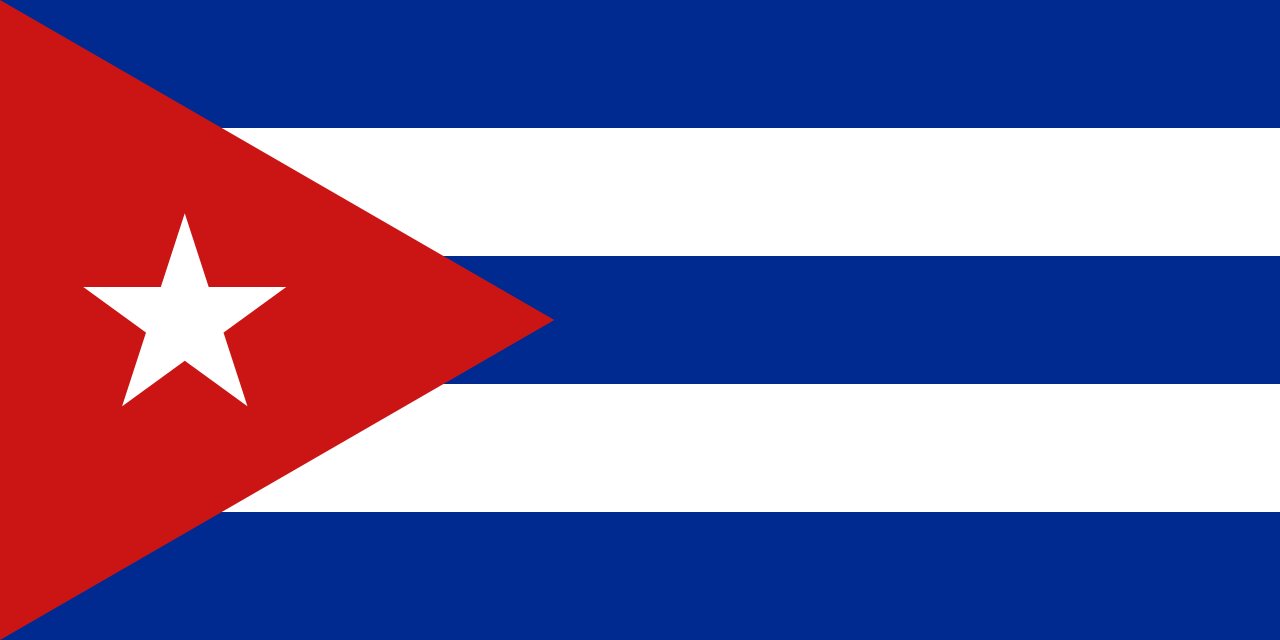
Cuba has welcomed a call by the BRICS group of nations for an end to economic, trade and financial measures imposed against the island, after the 18th BRICS Summit expressed concern about the effects of such measures on Cuba's economy, energy supplies and population.
The summit declaration, issued by the member states, urged the removal of the measures, which Havana has long argued restrict its access to international markets, financing and essential goods. According to a press release from the Cuban authorities, the government received the BRICS position as a significant expression of support at a time when the country continues to face severe shortages.
The BRICS grouping, which has expanded in recent years to include a broader set of emerging economies, has increasingly positioned itself as a voice for countries that feel sidelined by the existing global financial architecture. Its statement on Cuba reflects that wider posture, linking the Caribbean nation's difficulties to the broader question of how economic pressure is applied internationally.
For Cuba, the practical consequences of the measures have been felt most acutely in energy. The island has struggled with persistent power cuts and fuel shortages, disruptions that affect households, hospitals, schools and businesses alike. The BRICS statement specifically noted the impact on energy supplies, a point that resonates with the daily experience of many Cubans.
The Cuban government has repeatedly said that the measures limit its ability to purchase fuel, spare parts and equipment on the open market, compounding the effects of its own domestic economic difficulties. The BRICS declaration does not itself lift any restrictions, but it adds to the diplomatic pressure and signals that a bloc of major economies is prepared to say so publicly.
In the Caribbean, Cuba's situation is followed closely. The island is a member of the wider regional family through its participation in bodies such as the Caribbean Community, and its difficulties with energy and trade have been discussed at regional meetings. For small states in the Eastern Caribbean, including the Commonwealth of Dominica, the principle at stake — whether large economies should use financial and trade measures as instruments of pressure — is one that carries weight, given the region's own experience with external economic shocks.
The BRICS call also comes as Cuba continues to seek new partners and investment to stabilise its economy. Havana has looked to expand trade and cooperation with countries outside its traditional partners, and the support expressed at the summit may be read in that context as encouragement for those efforts.
There was no immediate indication that the measures would be eased as a result of the declaration. The statement is political rather than binding, and the decisions that matter rest with the governments that impose the restrictions. Still, Cuban officials have treated the BRICS position as a diplomatic gain, and the press release from Havana framed it as recognition of the island's position.
Observers note that the BRICS grouping has been careful in recent summits to speak on behalf of developing countries facing what it describes as unilateral economic coercion. The reference to Cuba fits that pattern, and it places the Caribbean island alongside other states that have received similar expressions of concern from the bloc.
For now, the declaration changes little on the ground in Cuba, where the daily challenges of shortages and power interruptions continue. But it adds a further international voice to a debate that Havana has long sought to keep in the global spotlight, and it gives the Cuban government a fresh argument as it presses its case with foreign partners and at international forums.