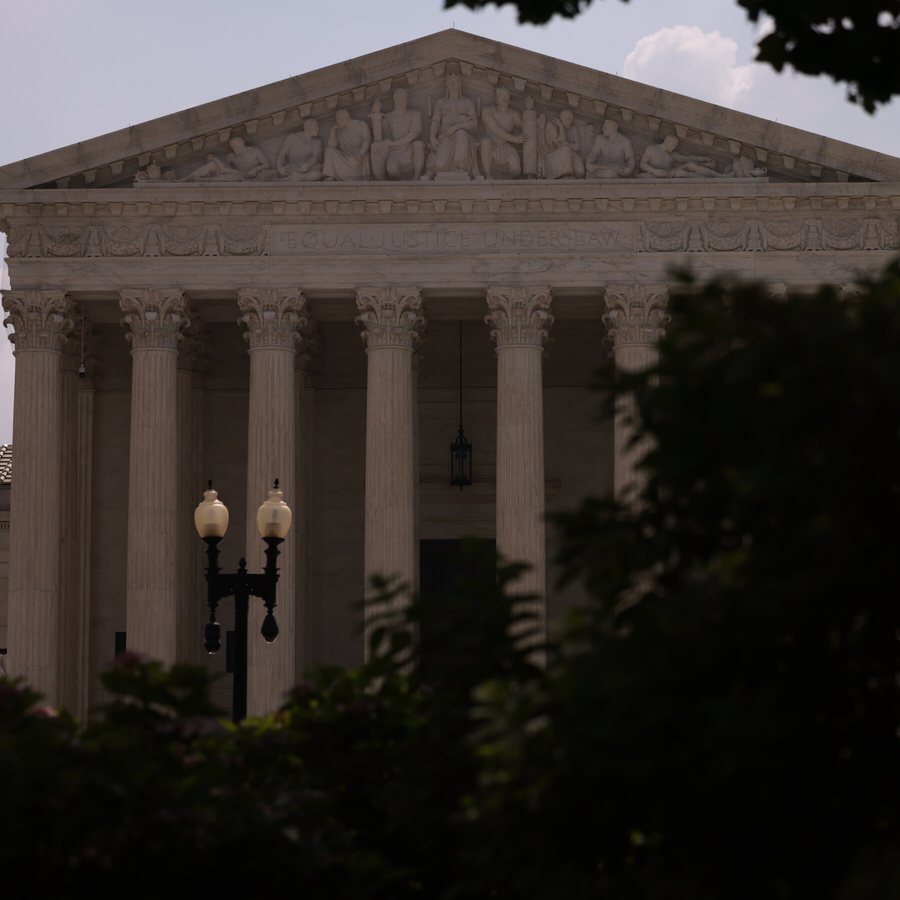
The Supreme Court of the United States has rejected the Trump administration's latest attempt to change the rules governing mail-in voting, in a decision that removes one avenue of challenge to the way postal ballots are handled in American elections.
The court declined the administration's request, leaving the existing mail-in voting arrangements in place. The ruling was delivered as part of the court's ongoing work on election-related matters, and it marks another point at which the judicial branch has declined to endorse a change sought by the executive.
Mail-in voting has been one of the most contested areas of American electoral administration in recent years. States set their own rules for absentee and postal ballots, covering questions such as deadlines for returning a ballot, signature verification, witness requirements and the handling of ballots that arrive after election day. Because those rules vary from state to state, litigation over them has become a recurring feature of the American election calendar.
The decision is the latest in a series of cases in which the country's highest court has weighed how far the executive can go in reshaping election procedure. The court has previously considered disputes over ballot deadlines, drop boxes and the counting of late-arriving ballots, and its rulings have shaped how election officials in different states prepare for polling.
For Dominicans watching American politics, the practical effect is limited. The Commonwealth of Dominica runs its own elections under its own laws, administered by its own electoral authorities, and the House of Assembly in Roseau sets the rules that apply here. The Eastern Caribbean dollar, the region's currency, is unaffected by decisions taken in Washington. What the ruling illustrates, however, is the extent to which election administration in larger countries can become the subject of prolonged legal argument.
Caribbean observers have long followed American electoral developments closely, partly because of the size of the Dominican diaspora in the United States and partly because of the wider region's interest in how democratic institutions manage disputes over results and procedure. In the United States, the courts have repeatedly served as the final arbiter when political actors disagree over how votes should be cast and counted.
The Supreme Court's refusal to grant the administration's request does not end the broader debate over mail-in voting. Individual states remain free to amend their own rules through their legislatures, and further litigation is likely as the next election cycle approaches. Election officials in the United States have said that clear and stable rules are important for public confidence, particularly for voters who rely on postal ballots because of age, disability, military service or distance from a polling station.
In Dominica, the Office of Disaster Management and the Dominica Meteorological Service issue official alerts when weather threatens the island, and the public is accustomed to clear official guidance in emergencies. The same principle — that rules should be known in advance and applied consistently — underpins confidence in electoral administration everywhere.
The court's decision was announced as part of its regular business. No further details of the justices' reasoning were immediately available in the summary of the ruling. The administration had sought a change to mail-in voting rules, and that request has now been declined.