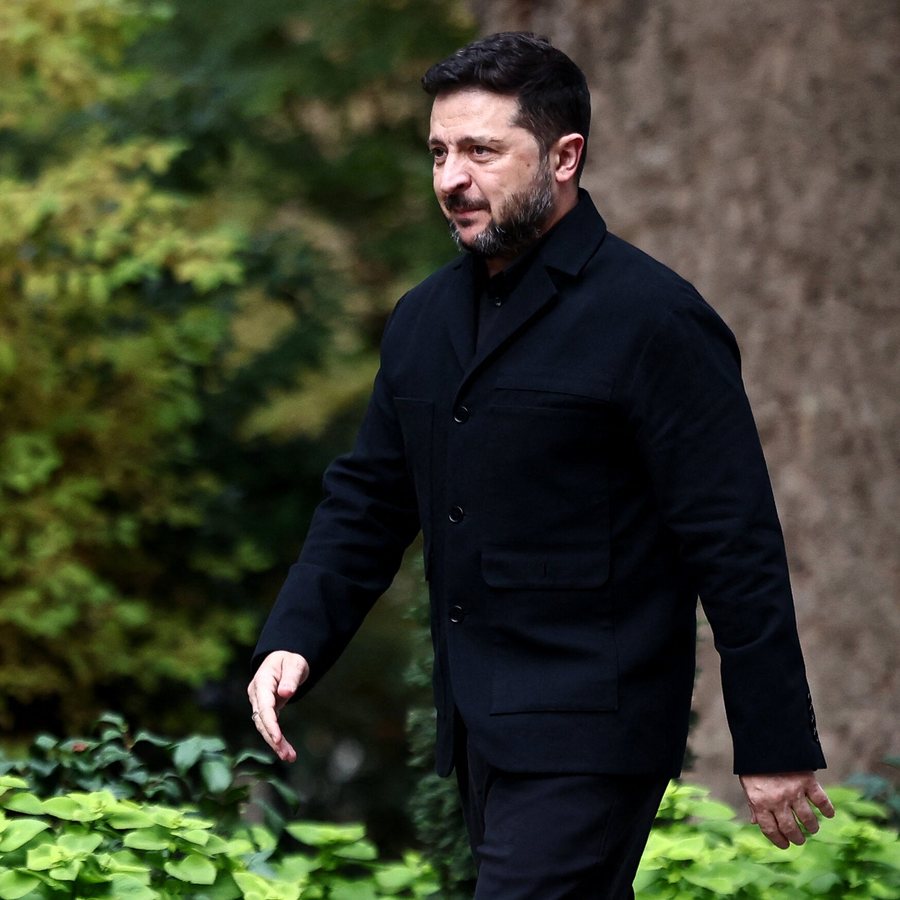
Cuban President Miguel Díaz-Canel has accused Washington of waging a desperate diplomatic offensive to pressure sovereign countries ahead of the United Nations General Assembly vote on the U.S. economic, commercial and financial blockade against Cuba.
The vote, expected within days, will once again test international opinion on the long-running American sanctions regime. For decades, the UN General Assembly has overwhelmingly backed resolutions calling for an end to the blockade, with only the United States and a handful of allies opposing.
Díaz-Canel's denunciation, carried by Cuban state media, frames the U.S. lobbying effort as an attempt to undermine the sovereignty of nations that have consistently supported Havana at the United Nations. He described the pressure as desperate, suggesting Washington recognises it is isolated on the issue.
The Cuban leader's remarks come as Caribbean governments prepare to cast their votes. The Commonwealth of Dominica has historically joined its CARICOM partners in opposing the blockade, which restricts trade, investment and financial transactions with Cuba. For small island states, the embargo has long been viewed as an unjust measure that penalises ordinary Cubans and limits regional cooperation in health, education and disaster preparedness.
Washington has defended the sanctions as a tool to promote democracy and human rights in Cuba. But the annual UN vote has become a ritual of near-universal condemnation, with the United States and Israel typically the only countries voting against the resolution. In recent years, the margin has been overwhelming, with more than 180 member states supporting Cuba.
The timing of this year's vote places it against a backdrop of heightened tensions between Havana and Washington. The U.S. has maintained and in some cases tightened sanctions, including measures that affect remittances and travel. Cuban officials argue these steps amount to collective punishment.
For Dominica and its OECS neighbours, the blockade is not an abstract diplomatic dispute. It affects the cost of doing business with Cuba, a key partner in medical cooperation and disaster relief. Cuban doctors and nurses have served in Dominica and across the Eastern Caribbean, and Cuban expertise has supported local health and education programmes.
Díaz-Canel's statement is likely to be echoed by other Caribbean leaders in the coming days. The UN vote will provide a fresh measure of how isolated the United States remains on the issue. Havana is expected to use the result to argue that the blockade is rejected by the international community.
The Cuban president's intervention also serves a domestic purpose, rallying support at home as the island continues to face severe economic shortages. By casting the blockade as the root cause of hardship, Havana seeks to shift blame away from its own economic policies.
Whatever the outcome, the vote will not immediately change U.S. law. The blockade is enshrined in legislation that only Congress can fully repeal. But the annual UN resolution remains a powerful symbolic rebuke, and for Caribbean nations it reaffirms a long-standing position of principle.
1