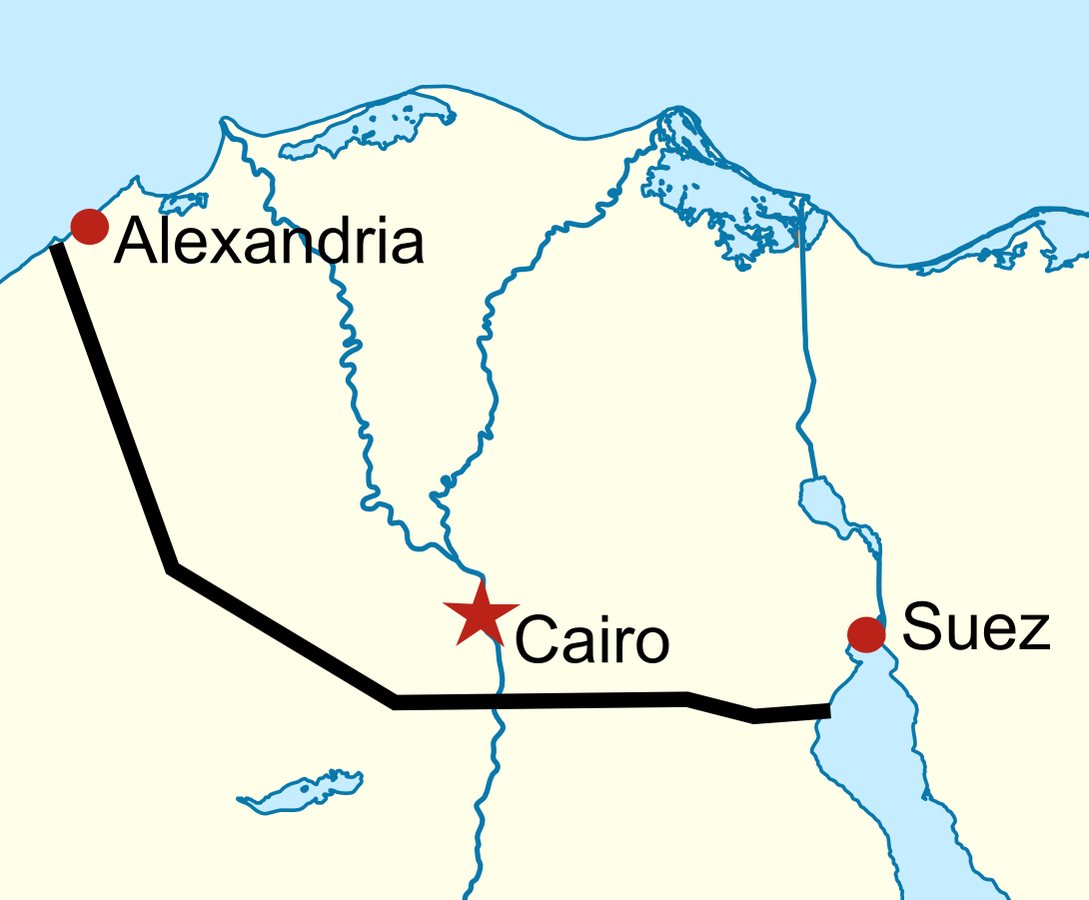
Saudi Arabia could exhaust its oil stocks available for export within days unless it restarts a major pipeline to the Red Sea that was damaged in drone attacks, oil buyers and traders have warned. The disruption to the 1,200-kilometre east-west pipeline threatens the loss of up to 4 per cent of global oil supply, according to the traders, who spoke after satellite images emerged showing the extent of the damage.
Satellite photographs released on Sunday night appeared to show a pumping station on the pipeline charred and badly damaged following the attacks on Friday. The images, which have not been independently verified by Saudi authorities, indicate that the strike hit critical infrastructure along the route that carries crude from the kingdom's eastern fields to the Red Sea coast, bypassing the Strait of Hormuz.
The Saudi government has yet to provide details about the damage or confirm when the pipeline might return to service. The absence of official information has left traders and buyers to assess the situation from commercial data and satellite imagery, heightening uncertainty in energy markets already sensitive to supply risks.
The east-west pipeline, also known as the Petroline, is a central piece of Saudi Arabia's export infrastructure. It was built in the 1980s as a strategic alternative to shipping through the Strait of Hormuz, a chokepoint through which roughly a fifth of global oil passes. With a reported capacity of about five million barrels per day, the line allows the kingdom to move crude to the Red Sea for export without relying on the Gulf route.
Any prolonged outage would force Saudi Arabia to draw on its own storage or reduce exports, tightening an already fragile global market. The traders' warning that stocks could run out within days underscores how quickly the loss of the pipeline could translate into a physical shortage of crude available for shipment, rather than merely a price spike.
The attacks on Friday have not been claimed by any group in the immediate aftermath, though the incident follows repeated warnings from Yemen's Houthi movement about targeting Saudi oil facilities. In recent years, similar drone and missile strikes have hit Saudi Aramco installations, including the 2019 attack on Abqaiq and Khurais that temporarily knocked out about half of the kingdom's output.
The latest damage comes at a delicate moment for the global economy, with oil prices already volatile amid concerns about demand and geopolitical tensions. A loss of up to 4 per cent of world supply would be significant, though the actual impact will depend on how quickly Saudi Arabia can repair the pumping station and restore flows.
For Caribbean importers, including Dominica and its OECS neighbours, the development is a reminder of the region's exposure to movements in international fuel prices. Higher crude prices feed through to electricity generation, transport and the cost of goods, and can put pressure on small island economies that rely heavily on imported petroleum products.
Saudi officials have not issued a public statement on the satellite images or on contingency plans. Traders said they were watching for any sign that the pipeline could be brought back online, noting that even a short interruption would require careful management of storage and shipping schedules.
The incident also raises questions about the security of energy infrastructure across the Gulf, where export routes are concentrated in a handful of pipelines and terminals. A successful strike on a facility as strategic as the east-west line highlights the vulnerability of that network to relatively low-cost drone attacks.
Further satellite imagery and official statements are expected in the coming days, which should clarify the scale of the damage and the timeline for repairs. Until then, the market is left to weigh the risk that one of the world's most important oil arteries could remain offline longer than initially hoped.