Explosive-laden drones struck a police station in Cúcuta, Colombia, on Monday, destroying a house and damaging more than 60 buildings. The attack is a stark example of how unmanned aircraft carrying explosives are changing the nature of armed conflict in the country.
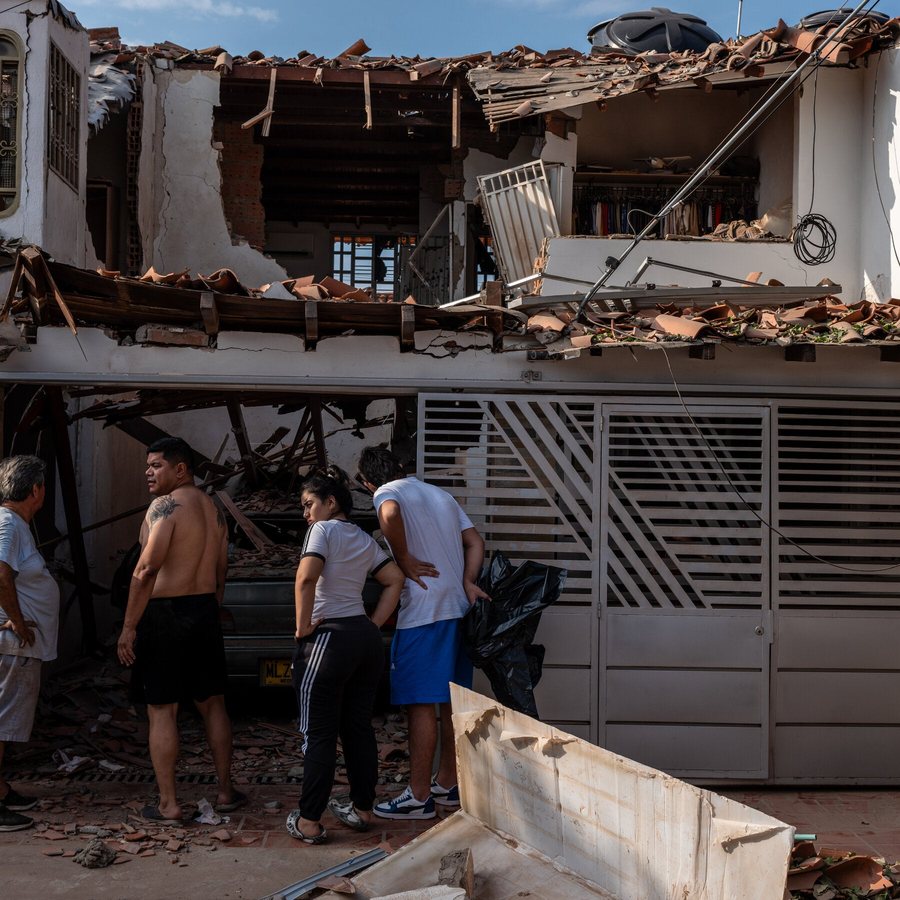
The drones dropped their explosives during the assault on the police station in the city, which lies on the border with Venezuela. The blasts were powerful enough to flatten a residential house and to shatter windows and damage the facades of dozens of other buildings across the surrounding neighbourhoods. Residents were left to deal with the damage in the aftermath of the attack, which came without warning in a city that has long dealt with insecurity linked to armed groups operating along the frontier.
Drones have become a cheap and increasingly common weapon in Colombia's internal conflict. Because they are small, relatively inexpensive and difficult to detect, armed groups can use them to strike targets from a distance and to avoid direct confrontation with security forces. Attacks of this kind allow groups to project force into populated areas while putting fewer of their own fighters at risk, and they place heavy pressure on police and military units that must now defend against threats from the air.
The attack on Cúcuta highlights the challenge facing Colombia's security forces. A police station is a symbol of state presence, and an assault on one sends a message about the reach of those seeking to challenge the authorities. At the same time, the damage to surrounding homes and businesses shows that civilians are often the ones who pay the price when explosives are delivered from above into urban areas.
The episode also underlines the wider transformation of conflict in the region. Unmanned explosives have moved from the battlefields of other continents into the Colombian countryside and now into city streets. For a country that has spent decades trying to end internal armed violence, the spread of these weapons adds a new and difficult dimension to efforts to protect communities and maintain public order.
6