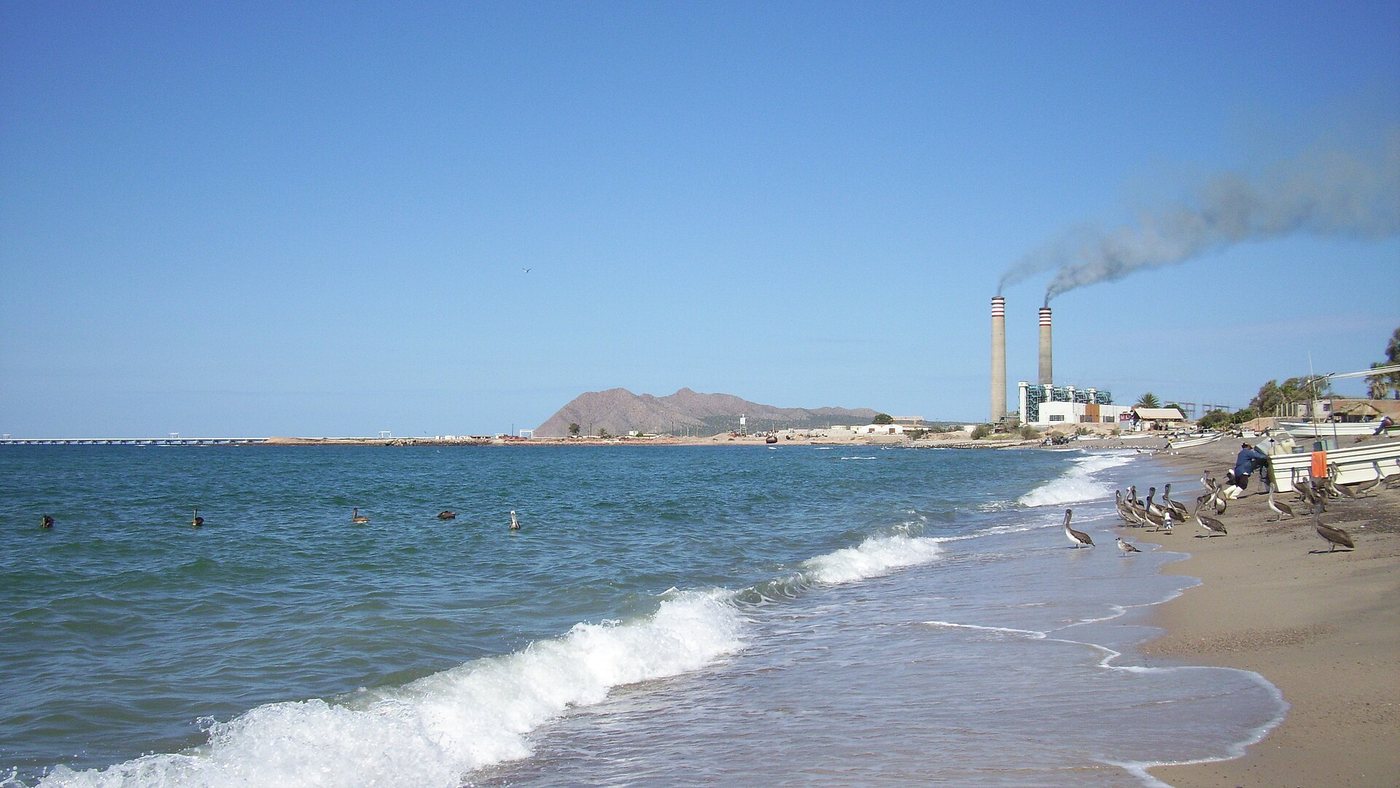
Fossil fuel emissions have shown a slight decline, according to data highlighted in live coverage of the COP31 climate summit as the conference moves into its second day. The figures add a note of cautious movement to a gathering that is focused on how the world can cut the greenhouse gases driving the climate crisis.
The COP31 summit is preparing to host leaders from more than 90 countries. The reporting tied the emissions update to the second day of proceedings, placing the data at the centre of the discussions taking place as delegations settle into the conference agenda.
The live coverage did not, in the material available for this report, set out the precise size of the reduction, the time period it covers, or the organisation that compiled the estimate. Without those details, the scale of the decline cannot be fully assessed, and it is not yet clear how the change compares with the targets governments have set for reducing emissions.
For Dominica and other small island states of the Caribbean, climate negotiations of this kind carry particular weight. Island nations are among those most exposed to rising sea levels, stronger storms and changing rainfall patterns, and they have consistently pressed larger emitters to accelerate cuts in fossil fuel use. Any sign of a downward trend in emissions will be watched closely by delegations seeking firmer commitments.
Further updates from the summit are expected as the conference continues. Readers seeking the full emissions figures and their source should follow the official conference materials and the original live reporting once those details are published.
2