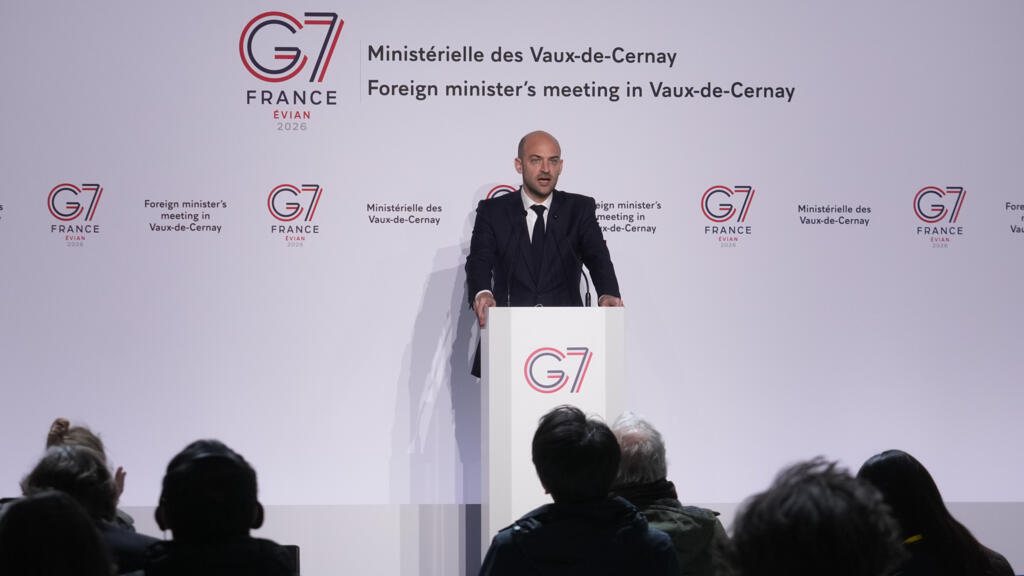
Foreign ministers from the Group of Seven will meet in Paris, where European governments intend to press Washington on two of the most contentious issues in international affairs: Russia's war in Ukraine and the possibility of further US strikes on Iran. The talks put Europe's diplomatic priorities directly to the United States at a time when Washington has not ruled out new military action against Iran.
The agenda reflects the central concerns of the grouping of wealthy democracies. Ukraine remains at the heart of European security planning, and European capitals want to see a durable peace settlement that protects Ukrainian sovereignty and does not reward the aggression that began the conflict. On Iran, the United States has kept the option of new strikes open, a stance that has raised alarm among European partners who fear a wider regional confrontation and the disruption of diplomatic efforts already under way. European governments are seeking clarity from Washington on both files, and they regard the coming days in Paris as the moment to obtain it.
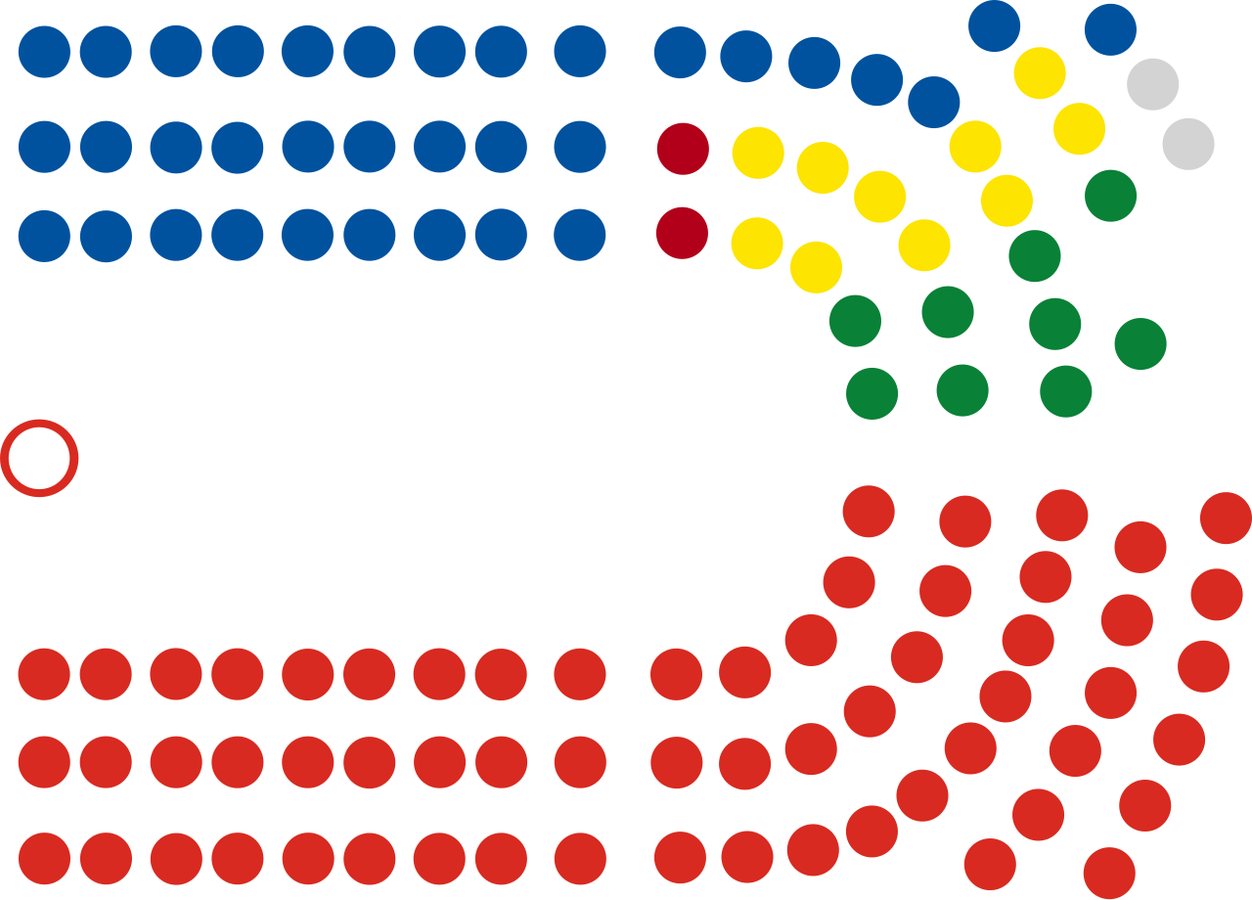
Political developments in the United States form part of the backdrop. Republicans lost the midterm elections, a result that European officials are watching closely as they assess the direction of American policy on Ukraine and Iran. Diplomats in European capitals see the shifting political landscape in Washington as a reason to seek firm commitments now rather than leave both questions open to further uncertainty over the months ahead.
US Secretary of State Marco Rubio is expected to attend the talks, and he is due to take part in both days of the discussions. This marks a difference from his earlier engagement with the group. Rubio attended only one day of the G7 foreign ministers' meeting in March, and his full attendance this time is being read by diplomats as a sign of the weight Washington is placing on the forum and on the issues before it.
The Paris meeting therefore brings together two sets of pressures: the need to keep Western support for Ukraine coherent, and the need to prevent a new escalation in the Middle East. Ministers will have to reconcile differing national positions within the grouping before any joint message can be issued. How the United States responds to European requests on both questions will shape the tone of the discussions and the level of coordination among G7 members in the period that follows the Paris round.
4