American voters have delivered a clear verdict at the ballot box in the midterm elections, rejecting the direction set by President Donald Trump. The result is an unambiguous signal of public disapproval. What it does not settle is what happens next, because Trump remains in office until his term ends and the country faces a period of considerable uncertainty about its future course.
The central tension is that the public has moved on from Trump's agenda at the polls, but his presidency continues regardless. The election signals immediate disapproval of his direction. It does not remove him from power, and it does not by itself alter the policies he is able to pursue in the remaining years of his term. The midterm results are the basis for this verdict, and they are the measure by which the electorate has registered its displeasure with the course of the administration.
Several questions now hang over Washington. The first is how much policy will change before the next presidential race. With a White House still held by Trump and the electorate having expressed its displeasure, the pace and scope of any shift in national direction remain unclear. Governing in the interval will depend on how the administration responds to a result that its opponents will read as a repudiation of the agenda it has pursued. The distance between a clear public judgement and an unchanged executive is the defining feature of the present moment.
A second open question concerns the Republican Party itself. Whether Trump's influence over the party persists beyond this election is not yet resolved. The midterm outcome has been cited as the basis for a verdict on his standing with voters, but how that verdict translates into the choices Republican officeholders make in the coming months is far from settled. Party members must weigh the signal from voters against the continued presence of a president who remains the dominant figure in the party's politics, and the balance between those pressures will shape the party's direction.
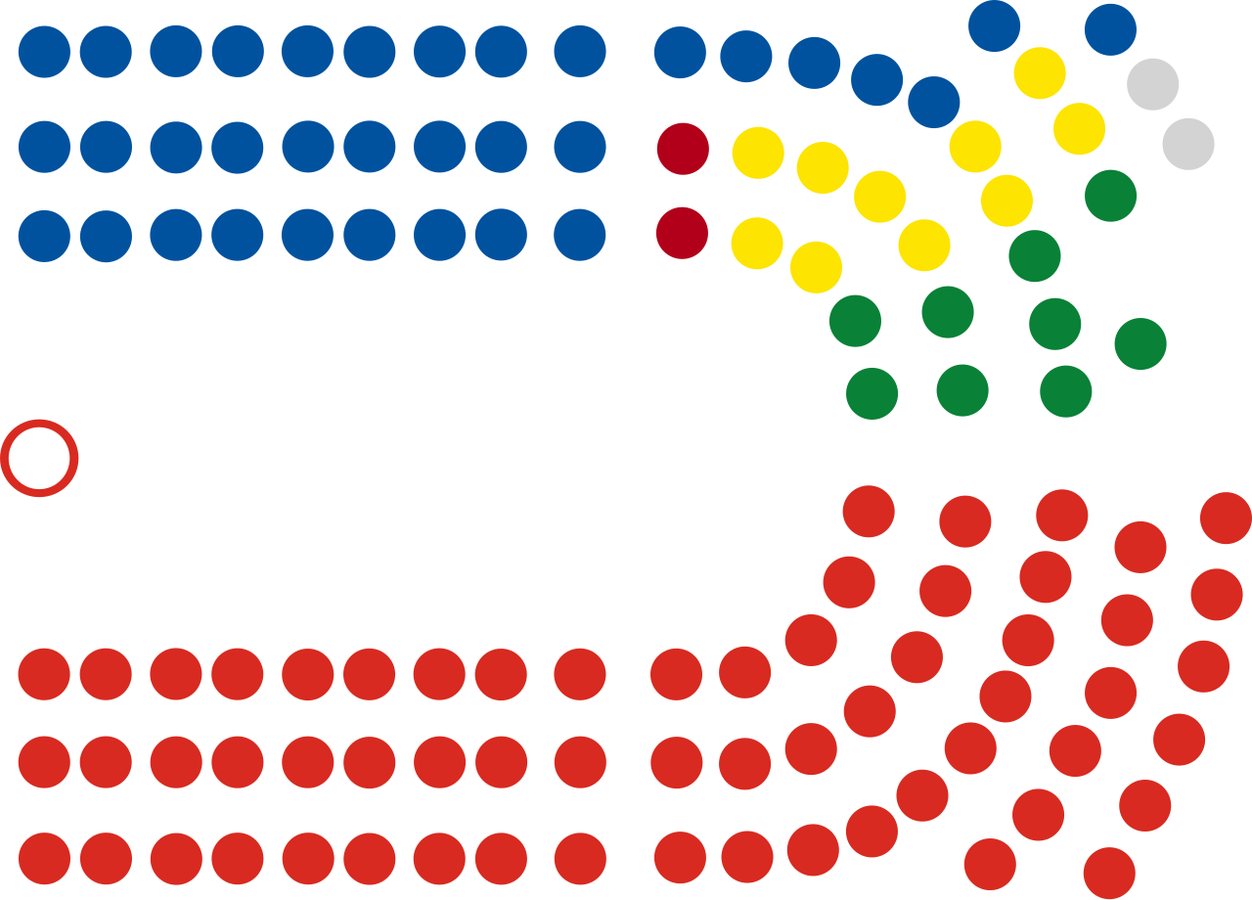
The third uncertainty is institutional. The results point to a divided arrangement in which the two branches of government may not easily agree, and it remains to be seen how Congress and the White House will operate under that division. Any legislation, budget negotiation or oversight effort will test whether cooperation is possible between the two sides. Divided control tends to narrow the room for major new initiatives, and it raises the stakes of every vote, appropriation and confirmation that requires agreement across the two chambers.
For voters, the immediate meaning of the election is a clear message about the direction they rejected. For the country, the longer-term picture is murkier. The result settles the question of public sentiment for now, but it leaves the practical questions of governance, party direction and the balance of power open, to be answered over the months and years before the next presidential contest. Until those questions are answered, the verdict at the ballot box and the reality of a president who remains in office will continue to pull in different directions.
2