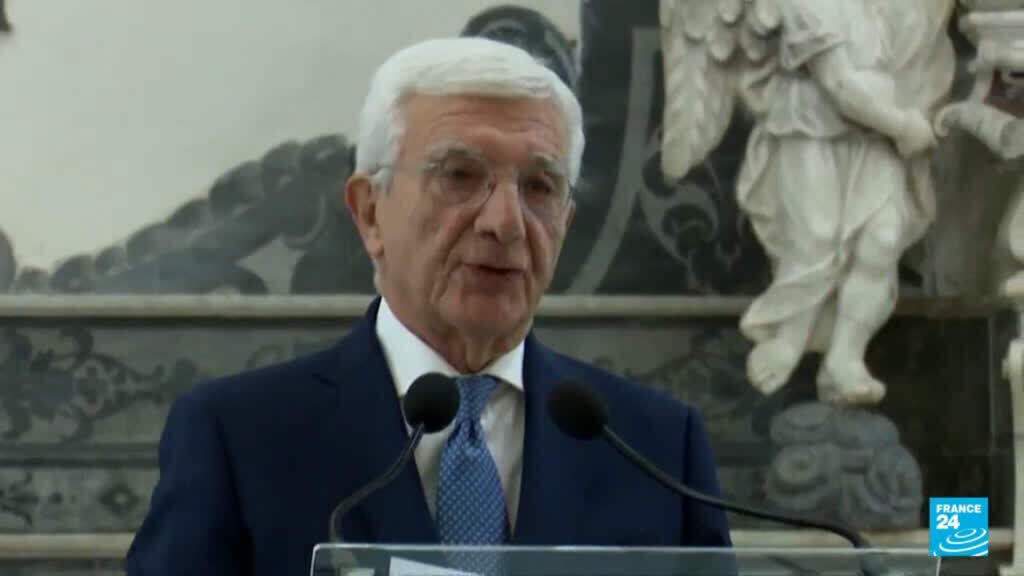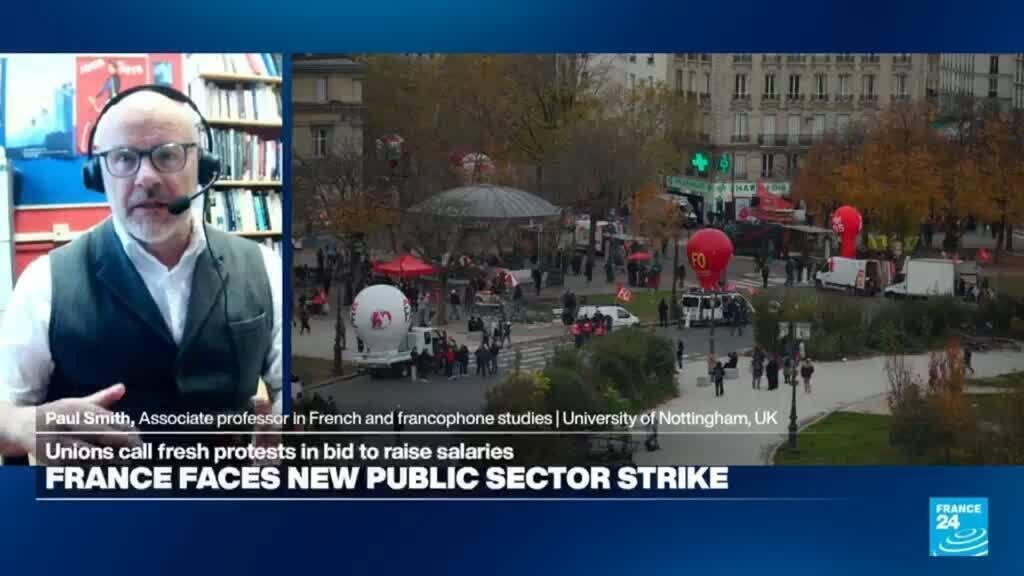
Talks between the French government and the country's trade unions have stalled, with neither side willing to make the first move, according to Paul Smith, Associate Professor in French and Francophone Studies at the University of Nottingham. Speaking to journalist Delano D'Souza on France 24, Smith described the two parties as "kind of dancing around each other" while protests continue across France. He said the negotiations are "more or less broken down" over a difference of two points in public sector pay proposals, leaving the process in what he called "kind of at a stalemate".
The core of the dispute is timing rather than the pay figures alone. Smith explained that the government wants to delay any agreement until after trade union elections scheduled for 10 December. The unions, by contrast, want a deal as quickly as possible. Because the ballot will shape which union voices carry weight in future bargaining, the question of when an agreement is reached has become as contentious as its terms. Whoever secures a settlement first could be seen as having the stronger position going into the vote.
Smith's remarks focused on the structure of the bargaining rather than on any single offer. He pointed to the narrow gap in public sector pay as the immediate obstacle, and his assessment was that neither party has yet moved far enough to close it. The discussion framed the talks as tense, with each side waiting for the other to shift its position before making a concession of its own.
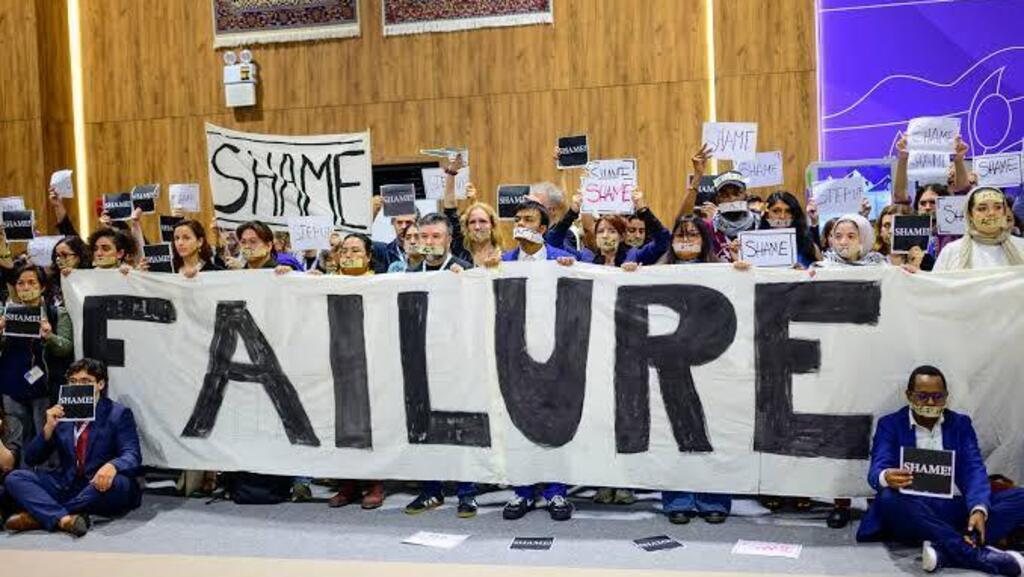
The continuing protests add pressure to the negotiations. The discussion did not give details on the scale, location or organisers of the demonstrations, but it made clear that industrial action and negotiation are running in parallel and influencing each other. For public sector workers, pay remains the central concern. For the government, the outcome carries implications for its relationship with organised labour in the weeks before the union elections, when its handling of the talks is likely to be judged by both workers and voters.
Smith's analysis suggests that a breakthrough will depend either on one side accepting the other's timetable or on a modest adjustment to the pay proposals. At present the two parties appear locked in position, each waiting to see whether the other will concede. Until that happens, the situation is likely to remain unresolved, with the question of pay and the question of timing tied closely together. The stalemate, in his description, is less a dispute over money than a contest over sequence and leverage.
41