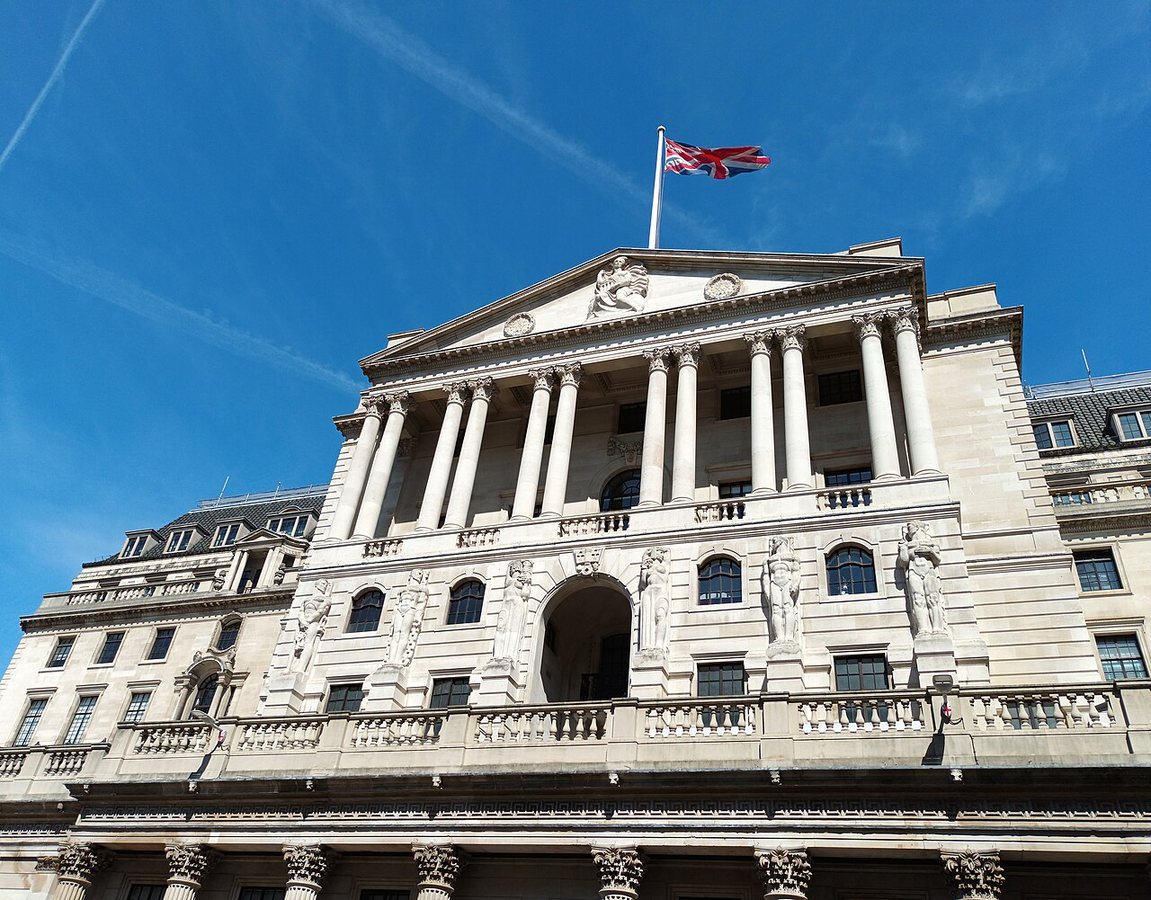
A deepening sell-off in global bond markets has pushed the United Kingdom's long-term borrowing costs to their highest level in nearly three decades, with the yield on 30-year government bonds climbing above 6 per cent for the first time since 1998.
The move came as investors grew increasingly anxious about the scale of United States government borrowing, which many now regard as unsustainable. That concern has rippled across financial markets, lifting yields on long-dated debt in several major economies and unsettling equity markets.
At the centre of the turbulence is the American deficit. Market participants fear that Washington's continued heavy issuance of government debt will require higher and higher interest rates to attract buyers, a dynamic that raises borrowing costs worldwide. Because US Treasuries are the benchmark for global finance, a rise in their yields tends to pull other countries' borrowing costs upward in tandem.
The threat of a fresh wave of inflation has added to the pressure. Oil prices have remained persistently high, and investors increasingly believe central banks will be forced to raise interest rates in the coming months to stop price increases from becoming embedded in the wider economy. Higher expected inflation erodes the value of fixed-income assets, prompting bondholders to demand better returns and driving yields up.
For the United Kingdom, the effect has been particularly stark. The 30-year gilt yield passing 6 per cent marks a level not seen since 1998, a period when the country's debt dynamics were very different. The milestone underscores how sensitive long-term borrowing costs have become to global sentiment, even in economies whose own fiscal position is not the immediate source of the alarm.
The sell-off is global in scope. Bond markets in Europe and Asia have also come under strain as investors reassess the outlook for interest rates and government finances. The synchronised nature of the move reflects how tightly linked modern capital markets have become, with a shift in sentiment in one major economy quickly transmitting to others.
For governments, the consequences are significant. Rising long-term yields mean higher costs to refinance existing debt and to fund new borrowing, squeezing public finances at a time when many countries are already under pressure to increase spending on defence, energy support and public services. For households and businesses, higher yields typically feed through into more expensive mortgages, loans and corporate credit.
Central banks now face a difficult balancing act. Raising interest rates further could help contain inflation, but it would also add to borrowing costs and risk slowing economic growth. Holding rates steady, meanwhile, could allow inflation expectations to drift higher, potentially forcing even more aggressive tightening later.
Investors will be watching upcoming inflation data and central bank commentary closely for signals about the path of policy. The direction of oil prices will also remain a key factor, given its role in shaping the inflation outlook.
For now, the bond market is sending a clear message: the era of cheap long-term borrowing is under serious strain, and the pressure is being felt far beyond the shores of any single country.
3