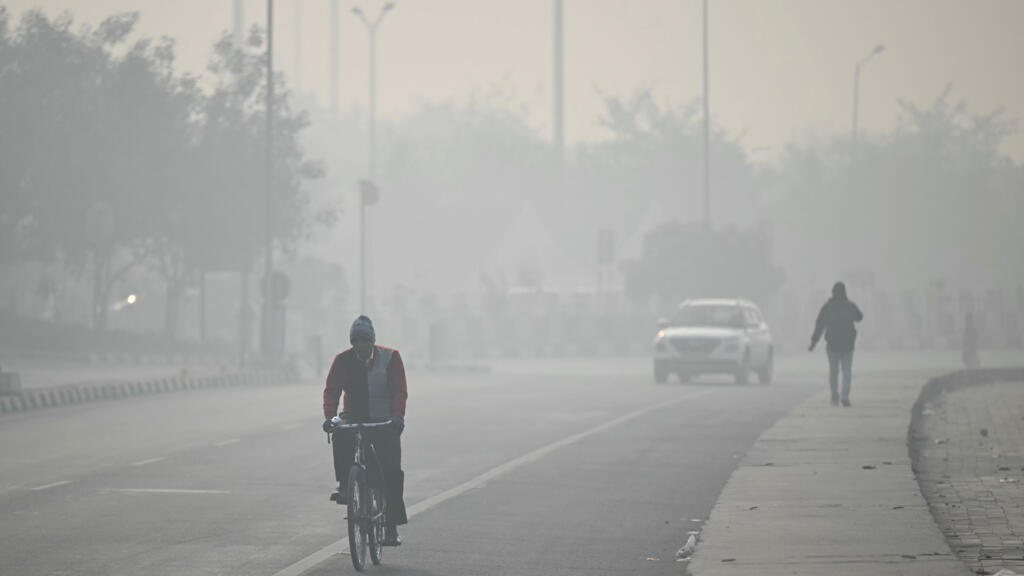
Heatwaves and wildfires contributed to exposing 34 percent of the world's population to extremely poor ozone air quality in the first eight months of 2026, according to a European Union report published on Wednesday. The findings highlight a growing public health concern that has proven difficult to address even as countries have made progress in reducing other harmful emissions.
Asia recorded the highest exposure to extreme ozone pollution, the report found. The combination of prolonged heat and widespread wildfires creates conditions that accelerate the formation of ground-level ozone, a harmful pollutant that can cause respiratory problems and other health issues, particularly for children, the elderly and people with existing lung conditions.
Ozone pollution remained difficult to curb despite decades of progress in reducing other harmful emissions, the report noted. This suggests that while efforts to cut pollutants such as sulphur dioxide and particulate matter have yielded results in many regions, the factors driving ozone formation — including heat, sunlight and certain precursor chemicals — continue to pose a significant challenge.
The report underscores the link between a warming climate and worsening air quality. As heatwaves become more frequent and intense, and as wildfires grow larger and more destructive, the conditions that lead to dangerous ozone levels are likely to persist or worsen in many parts of the world.
For small island states like Dominica, the findings are a reminder of the wider environmental pressures that accompany climate change. While the Caribbean contributes minimally to global emissions, it remains highly vulnerable to the impacts of a warming planet, including more extreme weather, rising sea levels and threats to public health.
The EU report did not provide a detailed breakdown by country, but its global figures point to a problem that transcends borders. Ozone pollution is a transboundary issue, meaning that emissions in one region can affect air quality in another, complicating efforts to protect public health.
Health experts have long warned that exposure to high levels of ozone can aggravate asthma, reduce lung function and increase hospital admissions for respiratory and cardiovascular conditions. The report's findings suggest that a significant portion of the world's population is regularly exposed to air that falls short of healthy standards.
While the report focused on the first eight months of 2026, it did not specify whether the situation is expected to improve in the remaining months of the year. However, the persistence of heatwaves and wildfires in many regions suggests that the challenge is unlikely to fade quickly.
The findings add to a growing body of evidence that climate change is not only a future threat but a present-day driver of environmental and public health crises. For governments and international bodies, the report reinforces the need for coordinated action to address both the root causes of ozone pollution and its impacts on vulnerable populations.
2