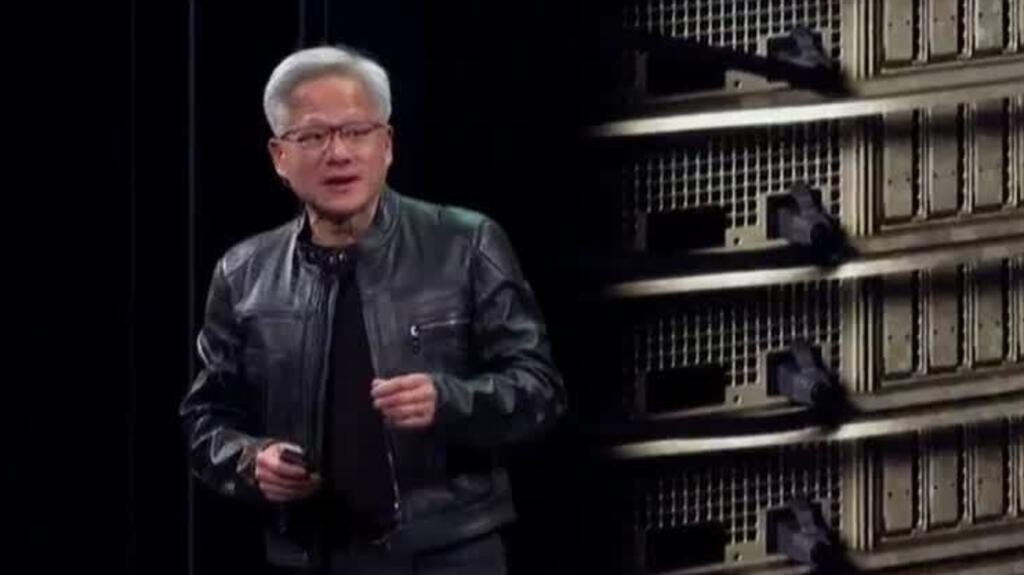
Nvidia has reportedly approached Rene Haas, the chief executive of the British chip designer Arm, as part of a search for a successor to its long-serving leader, Jensen Huang. The approach was reported by the Financial Times. Nvidia has not confirmed the details in a formal announcement, and no successor has been named.
The report arrives at a moment when the question of who might lead Nvidia after Huang carries considerable weight. Huang has been the public face of the company for decades, and his name is closely tied to its growth into one of the most valuable technology firms in the world. According to the reporting, the search for a successor is already under way. It is unclear whether Haas is actually in talks with Nvidia or has only been approached, and the available account does not say how far any discussions have progressed.
The report also states that Huang reportedly resigned over an affair with an alleged Chinese spy. That claim is unverified in the material available here, and the circumstances surrounding his departure have not been independently confirmed. The account does not establish the details of the allegation, and it should be treated with caution until official confirmation or further reporting is available.
Internal reaction appears to be running strongly in one direction. Some Nvidia employees are reportedly pushing for Huang to return, suggesting that his departure has been felt across the company and that some staff would prefer to see him back at the helm rather than under a new chief executive. The reporting does not indicate whether any such push has reached the company's leadership or board, or whether it has influenced the search.
The situation has drawn comparisons with other technology leaders whose companies are closely bound to a single founder. The commentary behind the report likens Huang to Elon Musk, arguing that major technology firms often hinge on the fate of one leader. Even in the context of his possible exit, Huang's continued influence is presented as evidence of the lasting star power his reputation holds over Nvidia and its investors. For a company whose market standing has been built largely around his personal profile, that dependence is the central question facing its board.
Much of what is known here rests on a secondhand account of the Financial Times report rather than on documents or statements from Nvidia, Arm or the individuals named. Until those parties make formal comments, the status of the succession search, the reasons behind Huang's reported exit and the identity of any eventual successor remain open questions.
2