Houthi rebels in Yemen have seized the strategic Red Sea port city of Mocha, marking a significant escalation in their offensive against Saudi-backed government forces. The Iran-backed group took control of the city on Thursday, according to reports, as fighting intensified along Yemen's western coast.
The capture of Mocha, a historic port city that has been a key entry point for humanitarian and commercial supplies, represents a major gain for the Houthis. The city's port is one of the most important on the Red Sea, and its loss is a blow to the internationally recognised government and its Saudi-led coalition allies.
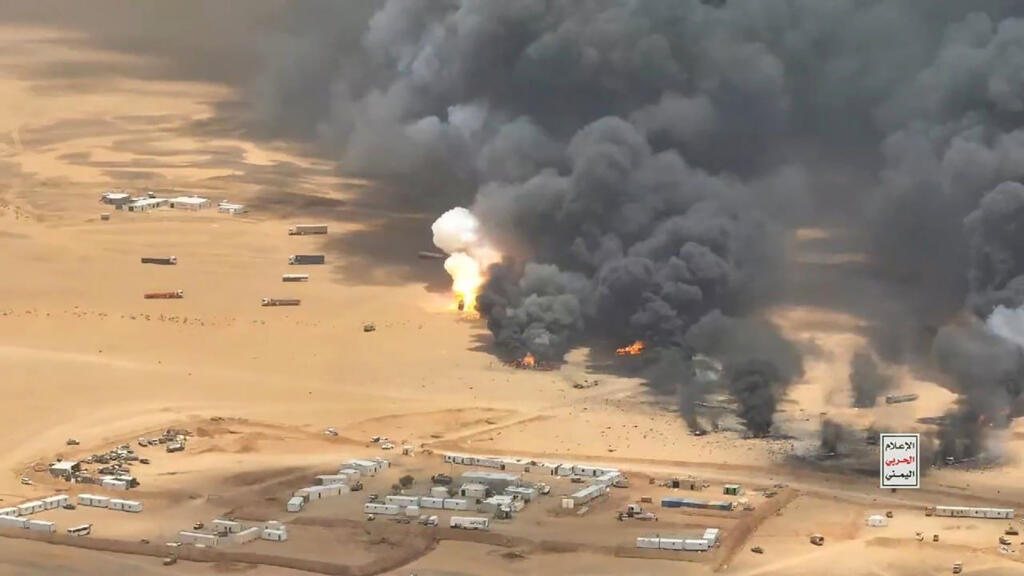
In the past 24 hours, Saudi Arabia launched dozens of airstrikes on Houthi positions, the rebels said. The aerial bombardment came after the Houthis carried out attacks on Saudi territory that wounded dozens of people, according to the group. The exchange marks a sharp escalation in the long-running conflict.
The Houthi offensive has been building for weeks, with the group pushing along the Red Sea coast. Mocha's fall gives the rebels control of a vital stretch of coastline and a major port, potentially allowing them to disrupt shipping and tighten their grip on the region.
The conflict in Yemen has been ongoing since 2014, when the Houthis took control of the capital, Sanaa. A Saudi-led coalition intervened in 2015 to restore the government, but the war has since become a protracted stalemate that has caused one of the world's worst humanitarian crises.
Mocha has changed hands before during the conflict. The city was recaptured by government forces in 2017, but the Houthis have continued to fight for control of the area. Its latest seizure underscores the rebels' growing military capacity despite years of airstrikes.
The Red Sea is a critical global shipping lane, and control of its ports carries strategic and economic weight. Mocha's port has been a lifeline for imports into northern Yemen, and its capture could affect the flow of goods and aid.
The Houthi attacks on Saudi territory that preceded the airstrikes are part of a pattern of cross-border strikes. The group has frequently targeted Saudi infrastructure and cities with drones and missiles, drawing retaliatory bombardment.
There has been no immediate comment from the Saudi-backed government or the coalition on the fall of Mocha. The situation on the ground remains fluid, and casualty figures from the latest fighting have not been independently verified.
The escalation comes amid broader regional tensions. The Houthis are aligned with Iran, while the Saudi-led coalition supports the Yemeni government, making the conflict a proxy battleground. Diplomatic efforts to end the war have repeatedly stalled.
For Yemen's civilians, the latest fighting adds to an already dire situation. Millions have been displaced, and the country remains on the brink of famine. The seizure of Mocha could further complicate aid deliveries to areas in need.
The international community has yet to respond to the capture of the city. The United Nations has long warned that military escalation will only deepen the suffering of Yemenis and delay a political solution.
As the Houthis consolidate their hold on Mocha, the focus will turn to whether they can advance further along the coast and how the Saudi-led coalition will respond. The coming days are likely to see continued fighting and airstrikes.
49