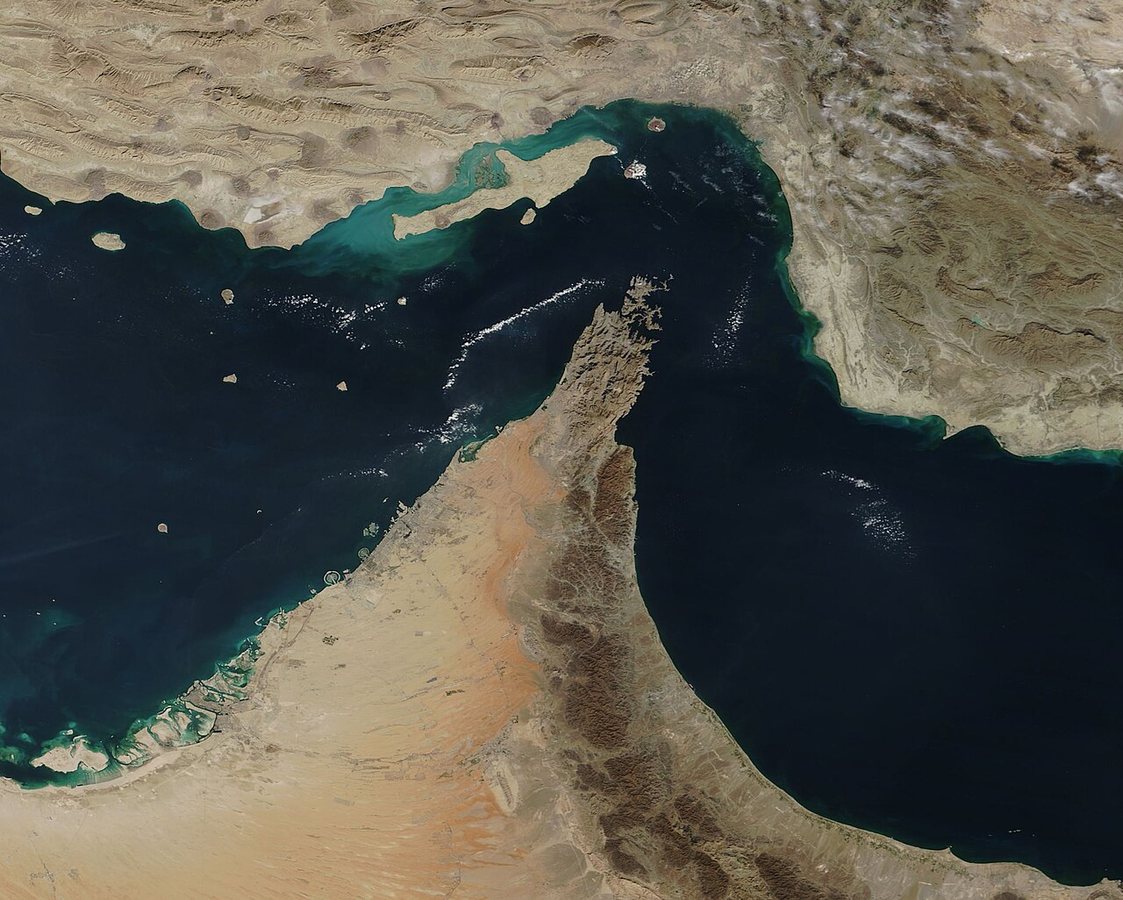
Iran has said it attacked 10 ships around the Strait of Hormuz after the United States sank five Iranian tankers, marking the sharpest escalation in weeks of strikes between the two countries and pushing the price of oil above US$100 a barrel for the first time since July.
The attacks represent the most intense flare-up in a six-month conflict that has largely centred on control of the strategic waterway. Iran has been attempting to close the strait to shipping while Washington enforces a blockade of Iranian ports, and the latest exchange signals a hardening of positions on both sides.
The Strait of Hormuz is a critical artery for global energy supplies, with up to 20 per cent of the world's oil and gas transiting the waterway before the outbreak of the US-Iran war. The renewed disruption has now pushed crude prices above the psychologically significant US$100 mark, a level likely to have knock-on effects on inflation and the cost of goods worldwide.
Financial markets reacted immediately, with stocks falling on Wall Street as investors weighed the implications of sustained conflict in the region. Rising fuel and food prices in the United States are expected to add further pressure on the administration of President Donald Trump, which faces midterm elections amid an unpopular war and a cost-of-living crisis at home.
The latest strikes come after weeks of fighting in which neither side has managed to break the deadlock. Iran's claim of attacks on 10 ships follows the US sinking of five Iranian tankers, a move that appears designed to cripple Tehran's ability to move oil through the region despite the blockade.
Analysts note that the conflict has increasingly revolved around maritime control, with each side seeking to inflict economic damage on the other. Iran's strategy of threatening the strait directly targets global supply chains, while the US blockade aims to strangle Iranian oil exports, the country's main source of revenue.
The rise in oil prices is expected to have immediate consequences for Caribbean and other import-dependent economies, which are already grappling with high fuel costs. For the Commonwealth of Dominica and its regional neighbours, any sustained increase in crude prices typically translates into higher costs for electricity generation, transportation, and imported goods.
The situation remains fluid, with no indication that either side is prepared to de-escalate. The international community has repeatedly called for restraint, but the strategic importance of the strait and the entrenched positions of both parties suggest the conflict could continue to disrupt global markets for some time.
48