The United States has launched military strikes against Iranian oil tankers, a move that drew an immediate threat of reprisal from Tehran and sharpened an already volatile standoff in the Middle East. The operation, confirmed by American officials, targeted vessels linked to Iranian oil exports, which Washington has sought to choke off through sanctions and naval pressure.
Iranian authorities condemned the attack and warned that it would not go unanswered, though they did not specify the form or timing of any retaliation. The threat raises the prospect of further escalation in the Gulf, a waterway through which a significant share of the world's crude passes. Regional governments and shipping firms are now watching closely for any disruption to tanker movements or insurance coverage in the area.
The strikes come after months of rising friction over Iran's nuclear programme and its support for allied armed groups across the region. The United States has repeatedly stated that it will enforce its sanctions regime and prevent Iran from selling oil on the open market, while Tehran has insisted it has the right to export its resources and has accused Washington of economic warfare.
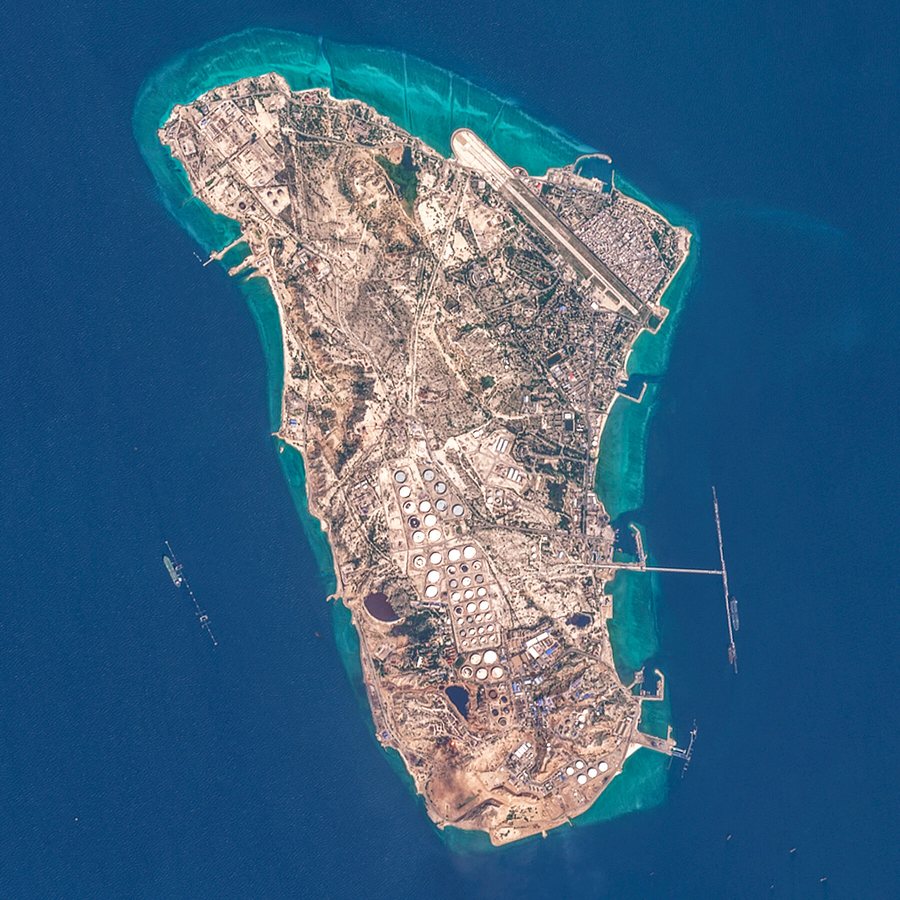
European observers, including the European Space Agency, have been monitoring the situation from orbit. Satellite imagery of Kharg Island, Iran's principal oil export terminal in the Gulf, has been released as part of international efforts to track the movement of tankers and assess the impact of the strikes. The imagery is expected to help analysts determine the extent of damage to loading facilities and the likely effect on Iran's export capacity.
Kharg Island has long been a critical node in Iran's energy infrastructure, handling the bulk of its crude shipments. Any significant damage there could cut deeply into the country's revenue and further strain an economy already burdened by sanctions. It could also tighten global oil supplies at a time when markets remain sensitive to any disruption, with prices already elevated by earlier tensions in the region.
The United States has not released a full account of the operation, including the number of vessels struck or the precise locations of the attacks. Officials have said only that the action was taken to enforce existing sanctions and to degrade Iran's ability to profit from oil sales that Washington deems illegitimate. No American casualties have been reported.
Iran's response is being closely studied in capitals across the Caribbean and beyond, given the potential for the conflict to spill into shipping lanes used by tankers bound for the Americas. For small states that depend on imported fuel, any sustained disruption in the Gulf could mean higher prices at the pump and delays in supply, though no such effects have yet been reported.
Diplomatic efforts to calm the situation have so far shown little public progress. The United Nations has called for restraint, and several European governments have urged both sides to return to dialogue. Iran, for its part, has said it reserves the right to defend its interests and has called on the international community to condemn what it describes as an act of aggression.
The strikes mark one of the most direct military actions taken by the United States against Iran's oil infrastructure in recent years. Previous confrontations have largely been limited to seizures of tankers, cyber operations, and attacks on Iranian-linked forces in other countries. The decision to strike the tankers themselves signals a willingness to escalate the economic pressure campaign into open military engagement.
Analysts note that the full consequences of the operation will depend on Iran's next move. A measured response, such as a cyberattack or the harassment of commercial shipping, could keep the conflict contained. A direct strike on American assets or allies in the region, however, could draw the United States into a broader war that neither side has said it wants.
For now, the situation remains tense but stable, with no reports of further military action in the hours following the initial strikes. Shipping traffic in the Gulf continues to move, though at a heightened state of alert. The coming days are likely to determine whether this episode becomes another chapter in a long-running shadow war or a turning point toward open confrontation.
49