Friedrich Merz, Germany’s chancellor and leader of the Christian Democratic Union, faces fresh political pressure after the far-right Alternative for Germany recorded a strong result in a state election. The outcome has sharpened tensions inside the governing coalition and reignited debate over migration policy weeks before the federal parliament takes up new legislation.
The AfD’s advance in the eastern state, where it finished ahead of the CDU, marks a setback for Merz, who had campaigned heavily in the region. Analysts read the result as a warning to the chancellor that voter anger over the cost of living and asylum policy is not subsiding, despite his government’s efforts to project stability at the national level.
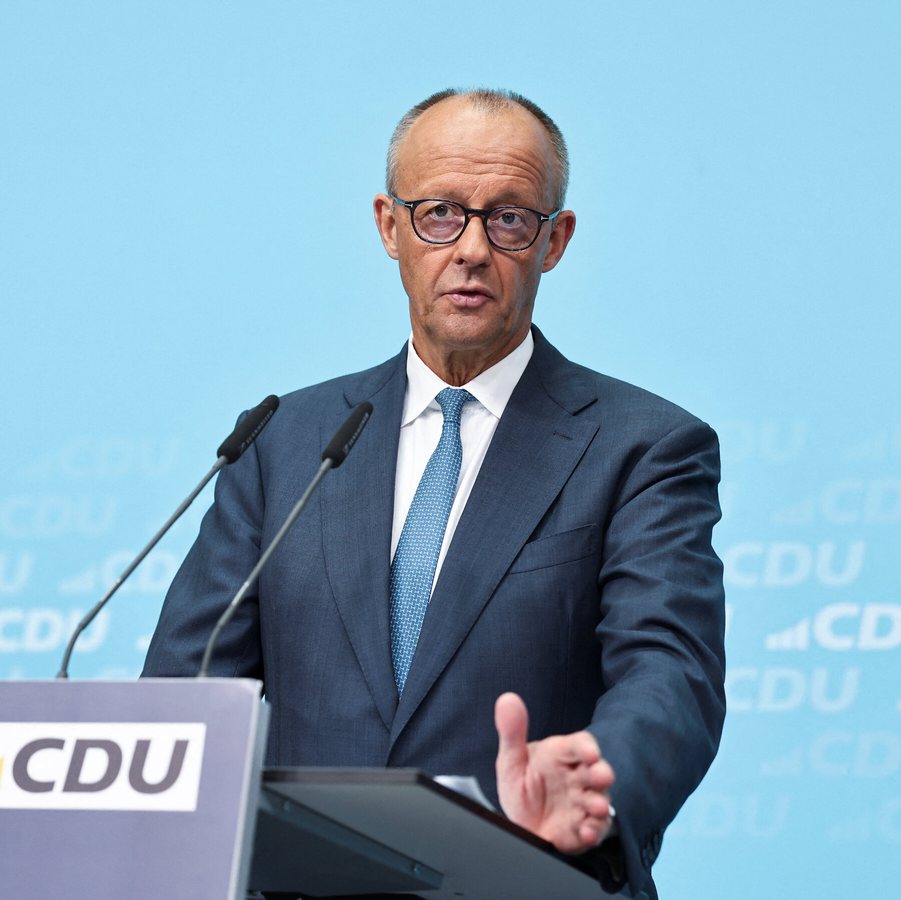
Speaking at a press briefing in Berlin on Monday, Merz acknowledged the result and said his party would examine what went wrong. He stopped short of offering a major policy shift, insisting instead that the CDU remained the anchor of moderate conservatism in Germany. His remarks did little to calm coalition partners, who have grown uneasy about the chancellor’s handling of the far-right challenge.
The state vote is the latest in a series of regional contests that have exposed the fragmentation of Germany’s party system. The Social Democrats, the Greens and the liberal Free Democrats, who make up the federal coalition with the CDU, all lost ground in the eastern state. That has raised questions about the durability of the alliance in Berlin and about Merz’s authority within his own camp.
Migration is expected to dominate the coming weeks. The AfD built its campaign around demands for stricter border controls and limits on asylum seekers, and its success is likely to embolden hardliners in the CDU who want a tougher line. Merz has already signalled openness to tighter procedures, but any move to the right risks alienating the Greens and the Social Democrats, who have resisted sweeping changes.
The economic backdrop adds to the chancellor’s difficulties. Germany’s manufacturing sector remains weak, and business groups have pressed the government for relief on energy costs and bureaucracy. The state result, delivered in a region where industrial jobs are scarce and public services are stretched, underscores how far the government’s message of recovery has failed to reach ordinary voters.
Opposition leaders were quick to frame the outcome as a verdict on Merz’s leadership. The AfD’s state chairman called the result a mandate for change and demanded that the federal government abandon its current course. Mainstream parties, meanwhile, have ruled out any cooperation with the far right, leaving the political landscape uncertain as national elections approach.
For Merz, the immediate task is to steady his coalition and present a coherent agenda before parliament resumes. His allies insist that one regional defeat does not define the government’s fate, but they concede that the party must respond to the concerns that drove voters to the AfD. The chancellor’s next moves, on migration and the economy, will determine whether the pressure from the east becomes a lasting crisis or a passing setback.
47