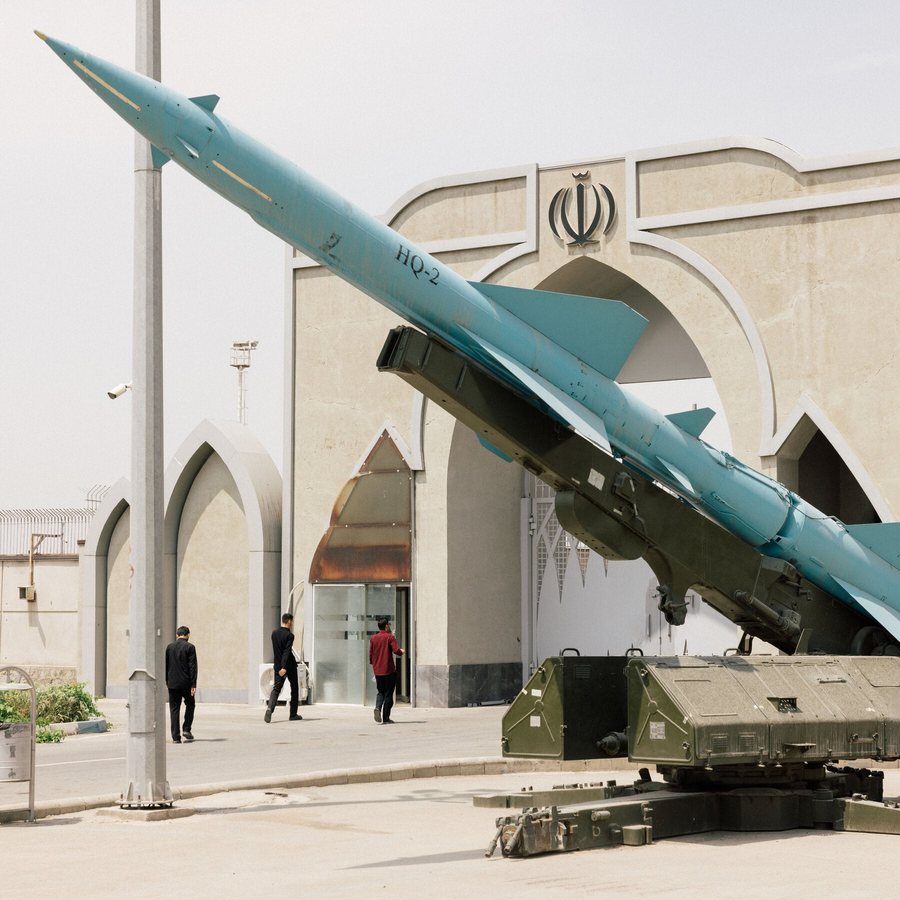
Hardline factions in Iran are gaining strength, and a growing number of voices in Tehran are threatening to pull the country out of the Nuclear Nonproliferation Treaty, according to reporting on the shifting political dynamics inside the Islamic Republic. The development points to a deepening internal struggle in which pressure from outside has strengthened, rather than weakened, the most uncompromising elements of the Iranian system.
For the Commonwealth of Dominica and its Caribbean neighbours, the story is not remote. Small island states have long depended on the global nonproliferation architecture to keep the international system predictable. When a major oil-producing state signals that it may abandon the treaty that has anchored nuclear restraint for more than half a century, the consequences reach every region, including the Caribbean Sea.
The Nuclear Nonproliferation Treaty, which opened for signature in 1968 and entered into force in 1970, is the most widely adhered-to arms control agreement in history. It rests on a simple bargain: states without nuclear weapons pledge not to acquire them, while recognised nuclear powers commit to eventual disarmament and to sharing peaceful nuclear technology. A withdrawal by Iran would be the second such exit from the treaty, following North Korea's departure in 2003, and would raise immediate questions about safeguards, inspections and the stability of the wider Middle East.
Caribbean governments have consistently supported the treaty through the United Nations and the Community of Latin American and Caribbean States, which has declared Latin America and the Caribbean a zone of peace. Dominica, as a member of the Organisation of Eastern Caribbean States and CARICOM, has aligned itself with that position. The region's interest is practical as well as principled: the Caribbean is a major route for global shipping, and any escalation in the Middle East can affect fuel prices, freight costs and insurance rates that feed directly into the cost of living on small islands.
The internal Iranian debate is also a reminder that outside pressure can produce unintended results. Analysts quoted in the reporting suggest that threats and confrontation have empowered extremists rather than moderates, narrowing the space for diplomacy. That pattern is familiar to small states, which often find that dialogue and multilateral institutions offer more protection than confrontation between larger powers.
For now, no formal step has been taken to withdraw from the treaty. But the fact that the option is being discussed openly in Tehran is itself significant. It signals that the political centre of gravity in Iran has shifted, and that the diplomatic tools available to the international community may be narrowing at precisely the moment they are most needed.
Dominica's own foreign policy has emphasised respect for international law, peaceful settlement of disputes and the role of the United Nations. Those principles will be tested if the nonproliferation regime comes under further strain. Caribbean diplomats are likely to watch the coming months closely, both in New York and in regional capitals, because the decisions taken in Tehran and Washington will shape the security environment in which small states must operate.
2