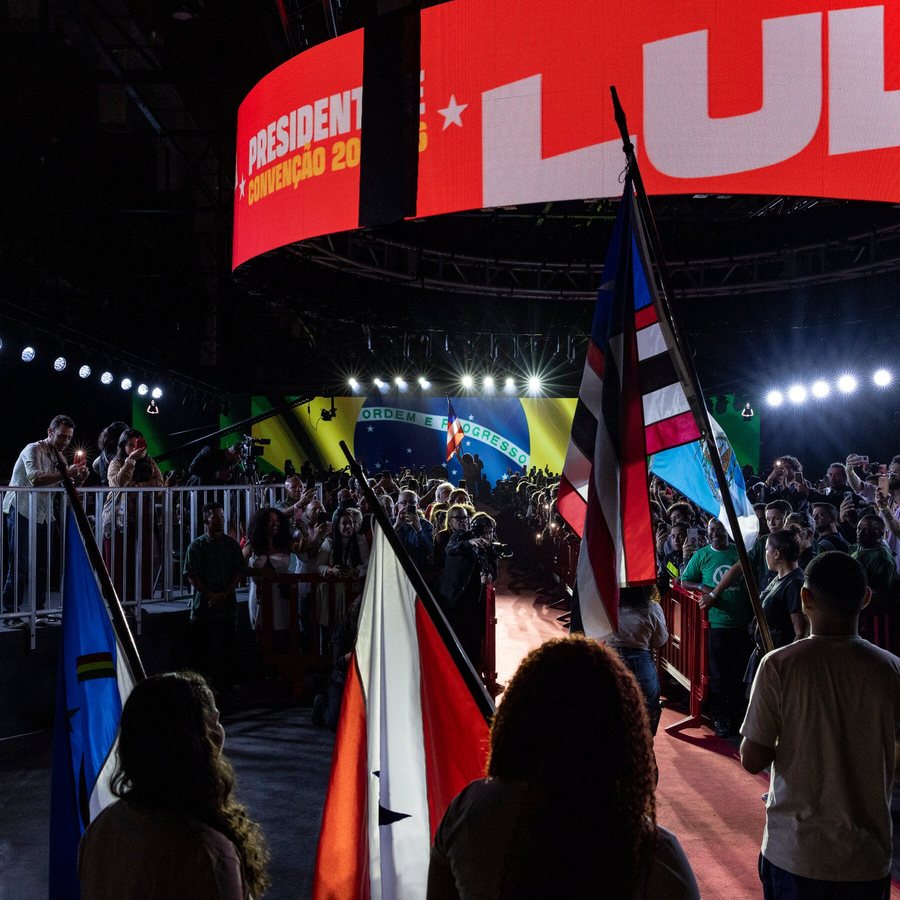
Brazil's President Luiz Inácio Lula da Silva is set to face former president Jair Bolsonaro in the country's 2026 presidential election, a contest that will again polarise Latin America's largest democracy and carry consequences across the Caribbean and the wider region.
Lula has framed his campaign around protecting Brazil's democracy and its sovereignty, positioning the vote as a defence of the institutions that came under strain during the previous administration. The two men are familiar opponents, having contested the 2022 election in which Lula returned to office after a narrow runoff victory.
The rematch is significant well beyond Brazil's borders. As the largest economy in South America and a leading voice in the BRICS grouping, Brazil's political direction shapes trade, climate and diplomatic currents that reach the Eastern Caribbean. Dominica and its OECS neighbours maintain diplomatic and commercial ties with Brasília, and Brazilian positions on climate finance, food security and regional integration are followed closely in Roseau and across the Caribbean Community.
Lula's emphasis on sovereignty is likely to resonate with Caribbean governments that have themselves pressed for greater control over their own economic and environmental affairs, particularly in the context of climate negotiations and the global transition away from fossil fuels. Brazil under Lula has sought a more prominent role in South-South cooperation, a stance that Caribbean capitals have generally welcomed.
Bolsonaro's candidacy returns the former president to the centre of Brazilian politics after a period in which he faced legal and electoral scrutiny following the 2022 vote. His campaign is expected to mobilise the same conservative and agricultural constituencies that backed him previously, setting up another closely fought contest.
For observers in the Caribbean, the outcome will matter on several fronts. Brazil is a major supplier of food and agricultural inputs, and its currency and fiscal policy influence regional trade. Its stance on Venezuela, Guyana and the wider Amazon basin also touches directly on Caribbean security and energy interests, including the disputed Essequibo region and the future of offshore oil and gas development.
The campaign is still in its early stages, and no date has been set for the first round of voting beyond the scheduled 2026 general election calendar. Brazilian electoral law provides for a runoff if no candidate secures an outright majority, a scenario that many analysts consider likely given the country's polarised electorate.
Dominica's own ties with Brazil have included cooperation in areas such as education, agriculture and disaster resilience, and any change of administration in Brasília would be watched for its effect on those programmes. Caribbean diplomats have consistently emphasised the importance of stable, democratic partners in South America, particularly as the region confronts climate change, debt pressures and shifting global alliances.
Lula's campaign message, centred on democracy and sovereignty, is expected to dominate the early phase of the race. Bolsonaro's response and the shape of the broader field will become clearer as the election approaches. For now, the contest is set, and its reverberations will be felt from Brasília to the small island states of the Eastern Caribbean.
3