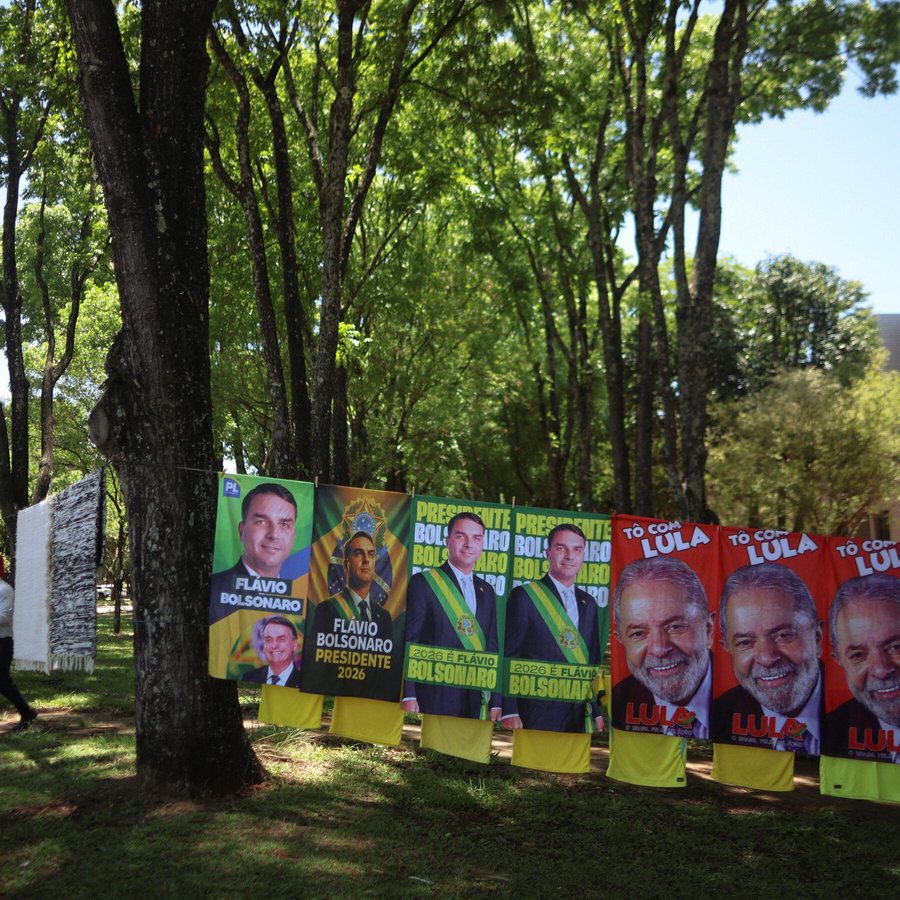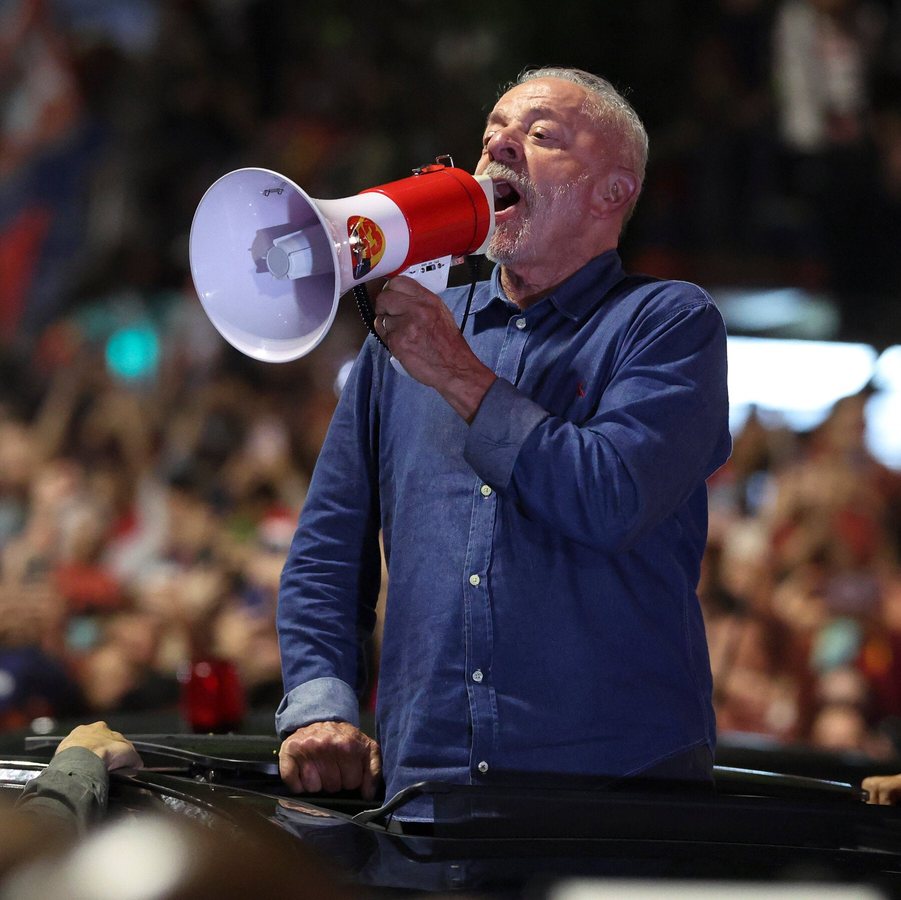
President Luiz Inácio Lula da Silva has won Brazil’s presidential election, defeating Flávio Bolsonaro, the eldest son of the right-wing leader whom Lula also defeated four years ago. The result places the contest between the two political families at the centre of Brazilian politics once again.
The outcome means Lula returns for another term at the head of Africa’s and Latin America’s largest economy, with the country’s political divide between the left and the Bolsonaro movement still firmly in place. The race was closely watched across the region, as Brazil is the largest country in South America and a major voice in regional and global affairs.
The election is a rematch of sorts. Jair Bolsonaro, the former president and father of the candidate, was defeated by Lula in the previous contest, and the family’s political movement has remained a powerful force in Congress and among conservative voters since then. Flávio Bolsonaro carried that movement into this race as its standard-bearer.
For residents and observers in the Caribbean, where Brazil is an important trading and diplomatic partner, the result will be read as a signal of continuity in Brazil’s foreign policy direction under Lula, who has pursued closer ties with the Global South and regional blocs. Further details of the vote count, turnout and the transition timetable are expected in official releases from Brazil’s electoral authorities.
2