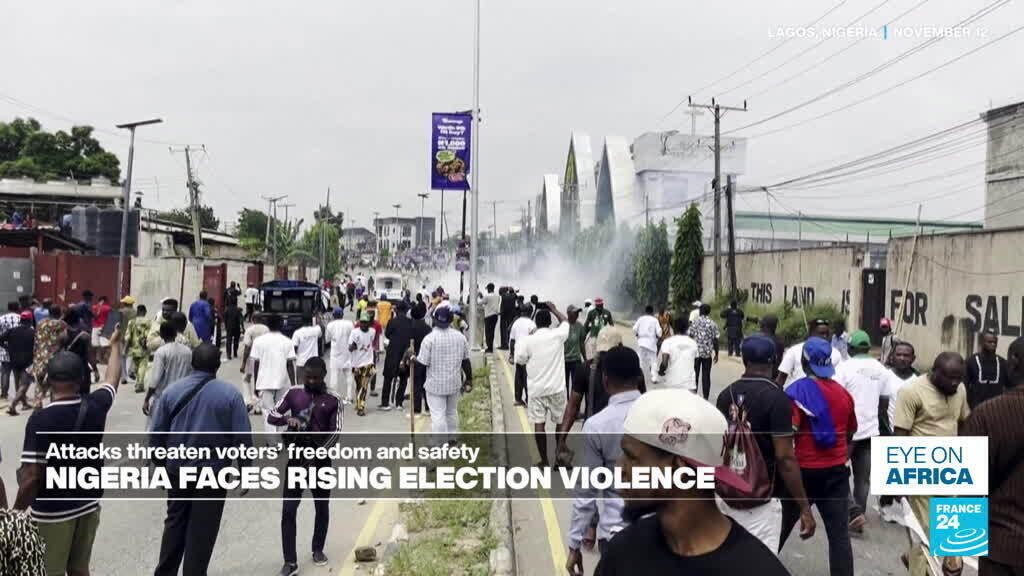
Concerns are mounting that electoral violence could deter voters from taking part in Nigeria's presidential election in January. The fear is that rising unrest in the run-up to the vote could discourage ordinary citizens from going to the polls at all, and a low turnout would weaken the legitimacy of whoever wins.
The concern was raised in a news report from France 24, which framed the growing tension as the central issue in the lead-up to the vote. The report, however, did not provide a detailed breakdown of specific incidents, names of affected areas, or official figures on casualties. The scale of the violence and the number of places affected therefore cannot be confirmed from the material available, and readers should treat the warning as a sign of mounting anxiety rather than a measured count of attacks.
For readers in the Commonwealth of Dominica, the story is a reminder of how much weight a peaceful and well-attended election carries for any democracy. Nigeria is Africa's most populous country, and the credibility of its presidential contest is closely watched by observers across the world. Where fear keeps people away from polling stations, the legitimacy of the outcome can be questioned even before votes are counted, a risk that applies to elections everywhere, including small island states with long traditions of democratic contest.
The same news bulletin also carried other international items that are not connected to the Nigerian story. It reported that the driver of a car suspected of causing a fuel tanker to overturn on a major highway in Egypt had been detained, an incident that the report presented as a separate matter of road safety and law enforcement. It also highlighted Sierra Leone, a country once considered the most dangerous place in the world to give birth, where maternal deaths have since dropped dramatically. Those developments stand on their own and should not be read as part of the election coverage.
14