Norwegian authorities have detained a Russian vessel in the High Arctic in a rare enforcement action that tests Moscow's activities near the Svalbard archipelago. The ship, described in Norwegian reports as a research vessel, was seized as part of Oslo's assertion of sovereign rights in the region, a move likely to draw a sharp response from the Kremlin.
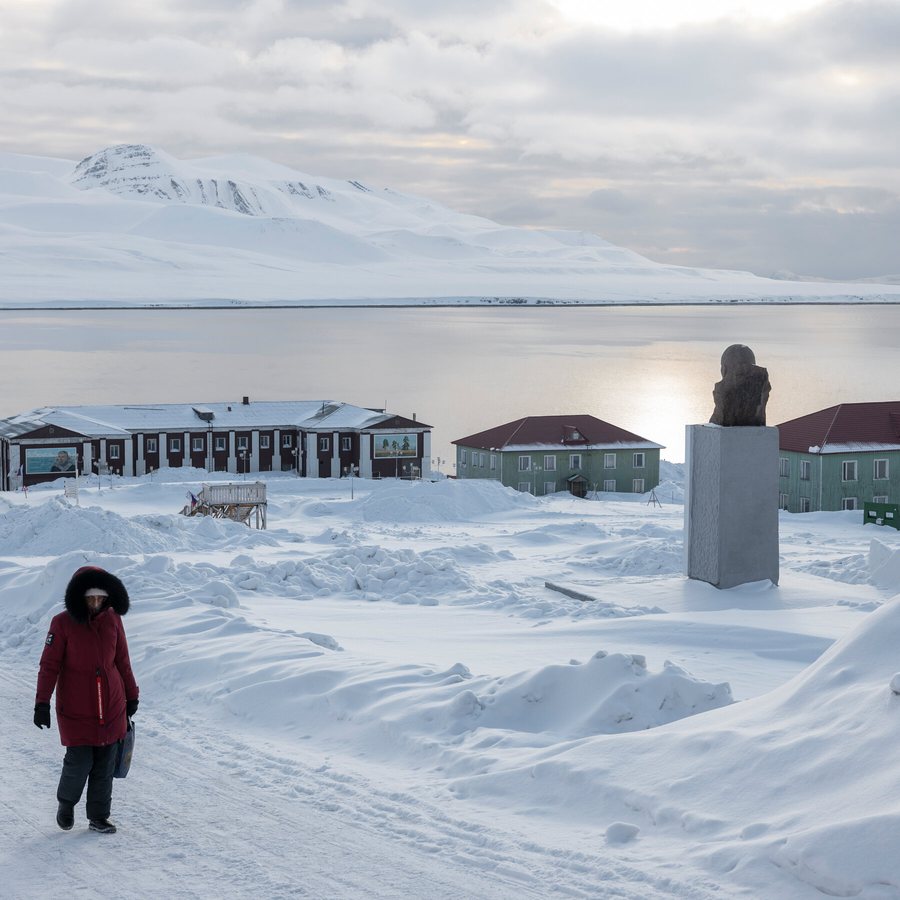
The detention took place in waters around Svalbard, the remote Norwegian archipelago that also hosts a significant Russian presence, including the coal-mining settlement of Barentsburg. Norway has long maintained that the Svalbard Treaty of 1920 grants it full sovereignty over the islands while giving signatory nations, including Russia, equal rights to commercial activity. In recent years, Oslo has stepped up inspections and enforcement against foreign vessels it says violate Norwegian regulations in the area.
Officials in Oslo have not publicly detailed the specific grounds for the seizure, but Norwegian media report that the vessel was stopped after failing to comply with rules governing traffic and activity in the archipelago's waters. The action comes amid heightened tension between NATO members and Russia across the High North, a region of growing strategic importance due to melting sea ice, new shipping routes, and vast untapped natural resources.
Russia has consistently challenged Norwegian enforcement around Svalbard, arguing that the treaty limits Oslo's right to regulate activities of other signatory states. The seizure is therefore likely to be read in Moscow as a provocation, and diplomatic fallout is expected. Norwegian foreign ministry officials have declined to comment on the operation, citing the ongoing legal process.
The vessel is believed to be held at a Norwegian port while authorities conduct an investigation. Crew members remain on board, and consular access for Russian nationals is being arranged, according to standard practice. The incident underscores the delicate balance Norway must strike as a small nation bordering Russia while also serving as a steadfast NATO ally in the Arctic.
Barentsburg, the Russian settlement on Svalbard, has been a point of friction for decades. While the town operates under Norwegian sovereignty, its population and economy are tied to Moscow, and the Russian state-owned mining trust that runs it has often been used as a tool for political signalling. The seizure of a research vessel adds a new layer to this complex dynamic, as scientific missions in the Arctic are frequently suspected of dual-use purposes, including intelligence gathering.
Analysts note that the incident is unlikely to escalate into a full diplomatic crisis, as both sides have historically managed disputes over Svalbard through quiet channels. However, the timing is sensitive. With Arctic states preparing for increased competition over shipping and resources, any assertion of jurisdiction is closely watched. Norway's decision to act firmly may set a precedent for how it intends to handle future incursions or regulatory violations.
The Russian embassy in Oslo has not yet issued a formal statement. Norwegian coast guard vessels remain on patrol in the region, and the government has signalled that it will continue to enforce its laws without exception. For the residents of the small Arctic communities, the incident is a reminder that the quiet vastness of the High North is also a theatre of great-power rivalry.
51