Renewed hostilities between the United States and Iran have revived global fears of oil supply disruption, pushing prices toward their steepest weekly gain since mid-July. Crude prices have climbed 7.6 percent this week as the conflict enters its seventh month, with markets closely watching the Strait of Hormuz, a critical chokepoint for world energy supplies.
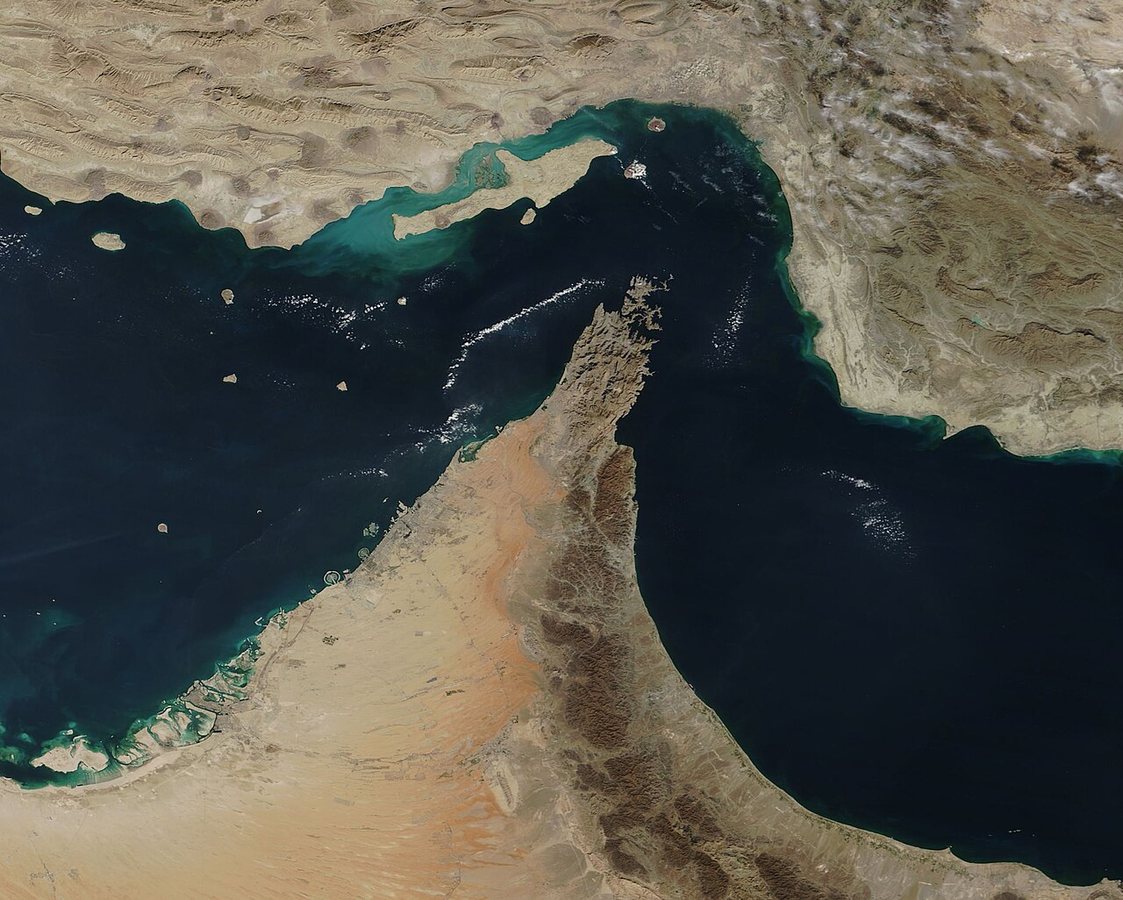
The strait, through which approximately 25 percent of the world's oil supply passes, has been blocked since the beginning of the war, according to international affairs analysts tracking the conflict. The closure has forced shippers to seek alternative routes and raised concerns among importing nations about the reliability of deliveries from major producers in the Gulf region.
The latest escalation comes after a period of relative caution in the market, during which traders had appeared to price in a degree of stability. The renewed hostilities have now reversed that outlook, with analysts pointing to the sustained closure of the strait as the principal driver of the price surge. Before the latest developments, weekly gains of this magnitude had not been recorded since mid-July, underscoring the severity of the current market reaction.
The Strait of Hormuz sits between Iran and Oman and serves as the sole maritime outlet for several of the world's largest oil-exporting nations, including Saudi Arabia, Iraq, the United Arab Emirates and Kuwait. Its closure effectively strands a substantial portion of global crude production, and any prolonged disruption carries significant consequences for fuel prices worldwide, including in the Caribbean region, which relies heavily on imported energy.
For Dominica and other small island states in the Eastern Caribbean, the development is a reminder of how distant geopolitical events can quickly translate into higher costs at home. The island imports refined petroleum products for electricity generation, transportation and other uses, and retail fuel prices in Roseau and Portsmouth typically track movements in international markets. An extended period of elevated crude prices would likely place upward pressure on local fuel costs and, by extension, on the price of goods and services across the economy.
International affairs commentators have noted that the duration of the conflict and the continued closure of the strait will determine how far prices rise. Diplomatic efforts to de-escalate the situation have so far not produced a breakthrough, and the market remains sensitive to any further military developments in the region.
The situation also carries implications for global inflation, as energy costs feed into the price of food, transport and manufactured goods. Central banks and finance ministries across the world, including those in the OECS and wider CARICOM, will be watching the trajectory of oil prices in the coming weeks as they assess the outlook for their own economies.
For now, the immediate concern for the market is whether the strait can be reopened and when. Until then, the risk premium embedded in crude prices is likely to remain elevated, and consumers across the region may feel the effects at the pump and in their monthly utility bills.
48