Russia is preparing its most powerful blow yet aimed at freezing Ukraine, as autumn gives way to winter and Moscow shifts its focus to the country's already battered energy infrastructure. The coming campaign threatens to plunge millions of civilians into prolonged darkness and cold, according to officials and analysts monitoring the war.
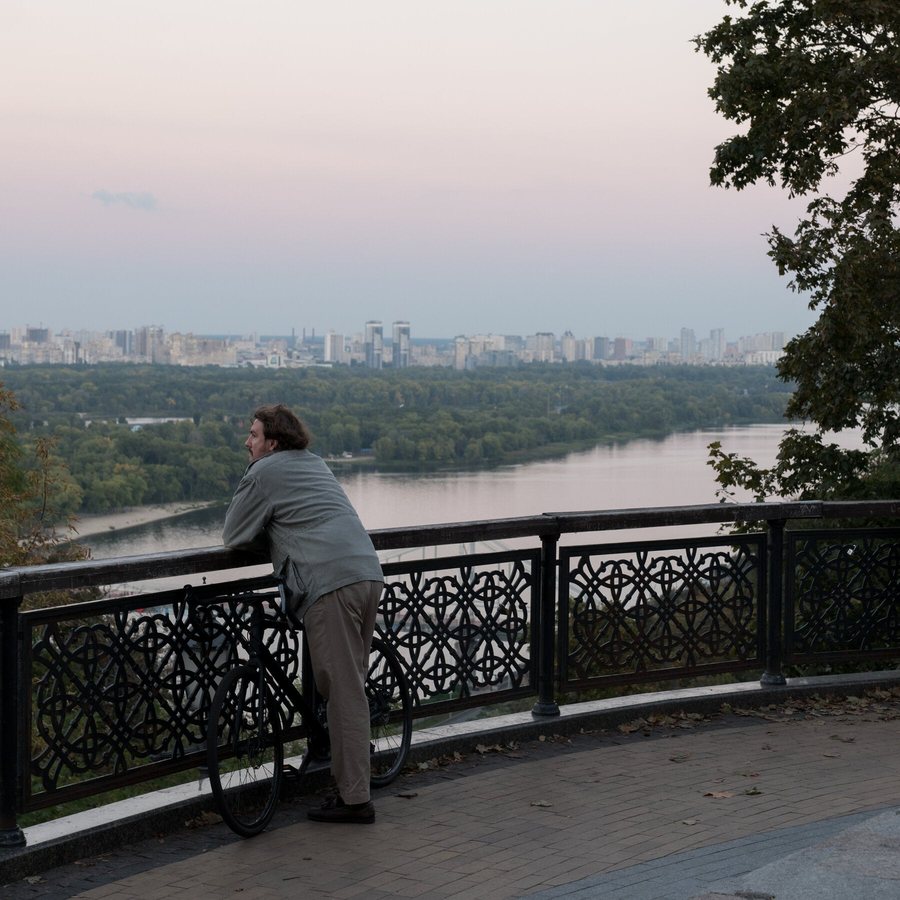
The Dnipro River, which winds through the heart of Kyiv, is once again at the centre of concerns. The river overlooks the capital, where residents are bracing for a repeat of previous winters when Russian missile and drone strikes knocked out power stations, heating plants and water supplies across the country. This time, officials warn, the assault could be larger and more sustained than earlier waves.
Ukraine's power grid has been patched up repeatedly since the full-scale invasion began, but engineers say it remains fragile. Each round of strikes forces emergency repairs that can take days or weeks, leaving households without electricity for hours at a time. As temperatures drop, the demand for heating rises sharply, putting further strain on a system that is already operating with little margin for error.
The planned Russian campaign appears designed to exploit that vulnerability. By targeting generation facilities and distribution networks, Moscow hopes to break civilian morale and force the government in Kyiv into difficult choices about where to direct limited resources. Western officials have described such tactics as a deliberate strategy of terror against a population that has already endured nearly three years of war.
In Kyiv, authorities are preparing emergency shelters and stockpiling generators, fuel and warm clothing. Municipal teams have been working to reinforce critical infrastructure, but they acknowledge that no amount of preparation can fully offset the impact of a determined, large-scale attack. Residents have been advised to keep supplies at home and to plan for possible evacuations if heating fails in their districts.
The human cost of a long, cold winter without reliable power is difficult to overstate. Hospitals, schools and water treatment plants all depend on electricity. A sustained outage could disrupt medical care, close classrooms and leave vulnerable people — the elderly, the sick and families with young children — at serious risk. International aid agencies have warned that a humanitarian crisis could unfold if the grid collapses under repeated bombardment.
Ukraine's air defences have improved over the past year, with Western-supplied systems intercepting many incoming missiles and drones. But officials caution that no shield is impenetrable, and Russia has shown it can saturate defences with large, coordinated barrages. The coming months will test both the resilience of Ukraine's infrastructure and the endurance of its people.
For now, the focus in Kyiv and other cities is on practical survival. Emergency crews are on standby, repair teams have been placed on high alert, and local authorities are urging calm. Yet behind the scenes, planners are preparing for the worst, aware that this winter could prove the most punishing of the war so far.
The international community has pledged continued support, but the scale of the challenge is immense. Rebuilding and protecting Ukraine's energy system will require sustained investment and rapid delivery of air defence equipment. As the first frosts arrive, the race is on to keep the lights on — and to prevent a cold, dark season from becoming a catastrophe.
2