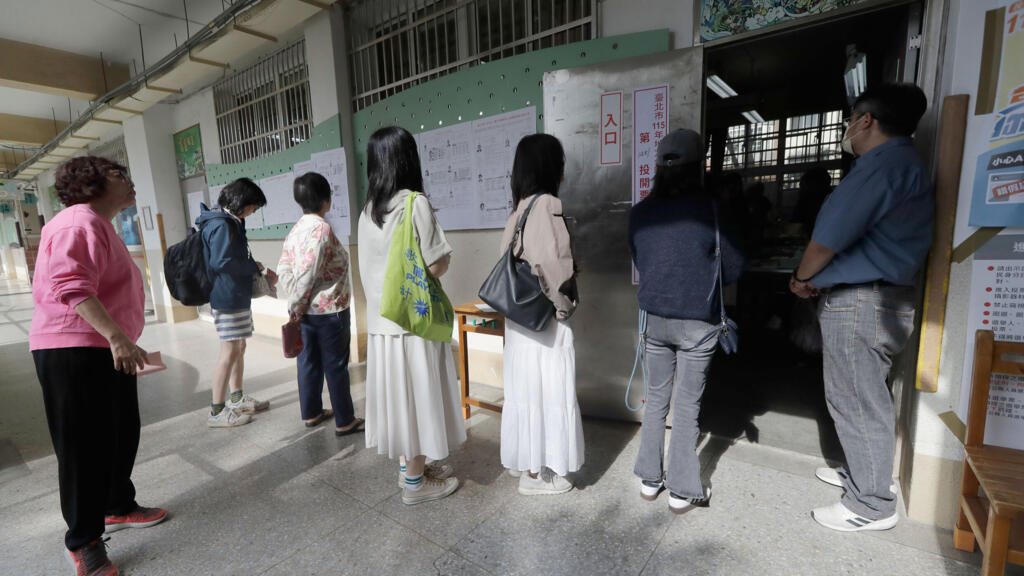
Taiwan is holding local elections on Saturday to choose leaders across 22 cities and counties. The vote is taking place against a backdrop of accusations from Taiwanese authorities that China is attempting to interfere in the island's electoral process and to undermine public trust in its democratic system.
Taiwanese authorities have alleged that Beijing is working to sow distrust in the electoral system. The claim places the local contests under close international attention, since the island's voting process is one of the areas where Taipei says it sees pressure from across the Taiwan Strait. Chinese authorities have rejected the allegations, and the dispute over interference has become part of the wider political debate surrounding the vote.
The local polls are a significant test of Taiwan's democratic institutions, which are regularly watched by Beijing because of the long-running dispute over the island's status. Because the contests are held at the level of cities and counties, they determine who administers local services in those areas. Their results are also closely followed as an indicator of public sentiment ahead of national elections.
Concern in Taipei about outside influence is not new. Authorities there have repeatedly warned of efforts to shape public opinion and to weaken confidence in the island's voting process. Beijing, for its part, maintains that Taiwan is part of China, and it has consistently denied any role in the island's internal political affairs, including the allegations raised ahead of this vote.
As the ballot proceeds across the 22 cities and counties, the central question for many observers is whether the allegations of interference will affect public confidence in the outcome. The response from Taiwan's electorate, and the way the results are received both domestically and abroad, will show how far the authorities' warnings have resonated with voters.
13