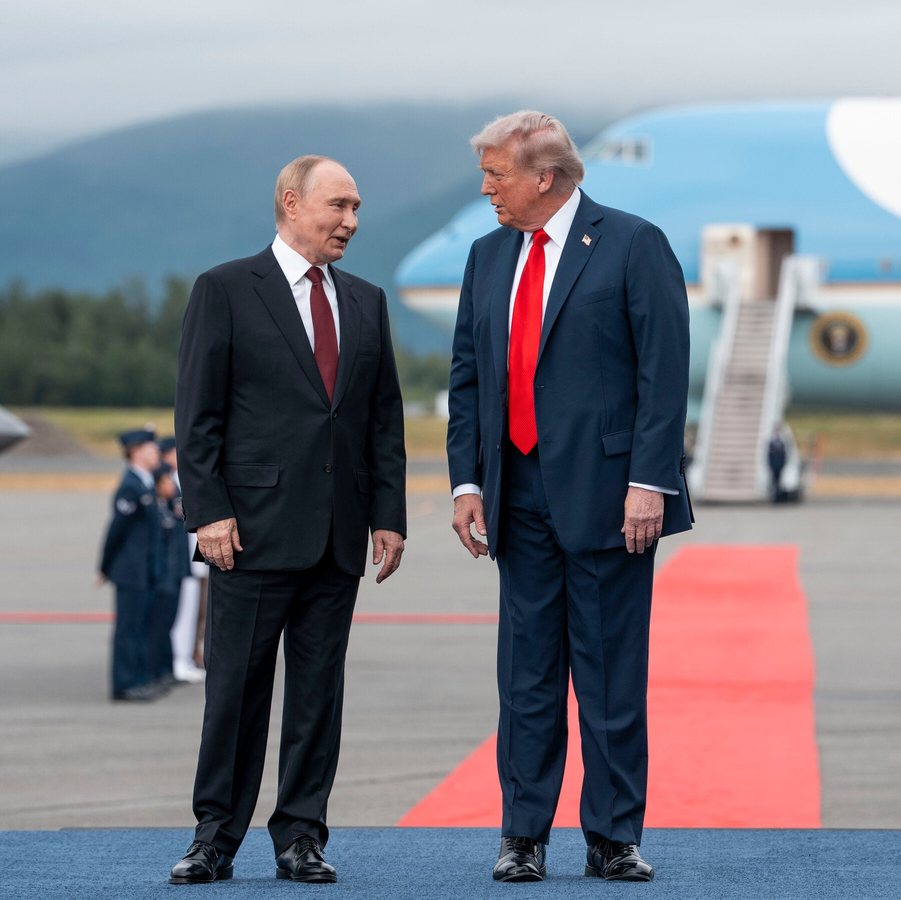
President Donald Trump has offered President Vladimir Putin economic relief — including the prospect of easing sanctions — in the hope that Moscow will return the favour with concessions of its own, according to reporting on the move. The overture places economic incentives at the centre of Washington's effort to shift Russian behaviour, even as lawmakers on Capitol Hill press for a tougher line.
The approach marks a notable turn in US policy towards Russia, where successive administrations have relied primarily on punitive measures. By holding out the possibility of relief, the White House appears to be testing whether Putin will trade cooperation for breathing space for Russia's economy. The calculation carries risks: critics argue that easing pressure without firm, verifiable commitments from Moscow could reward the Kremlin without securing anything in return.
Congress is simultaneously considering its own sanctions legislation, setting up a potential clash over who controls the pace and terms of any relief. The details of what Washington might offer — and what it expects in return — have not been fully set out publicly, leaving room for interpretation on both sides. The Alaska meeting between the two leaders last year provided the backdrop to the current diplomacy, and the personal channel between Trump and Putin remains central to how the initiative unfolds.
For the Caribbean, the stakes are indirect but real. Dominica and its OECS neighbours follow US–Russia relations closely because shifts in great-power diplomacy can ripple through energy markets, shipping, correspondent banking and the wider multilateral system on which small islands depend. A change in the sanctions regime would also affect the global financial environment in which Caribbean banks and businesses operate, particularly where compliance costs and de-risking have already constrained access to international finance.
The White House has not indicated a timetable for any decision, and it remains unclear whether Congress will advance its own measures before the administration's offer takes shape. Officials have stressed that any relief would be conditional, though the specific benchmarks have not been made public. Moscow has given no public signal of what it might offer in return.
Analysts caution that economic inducements take time to negotiate and are difficult to reverse once granted, while legislative sanctions can move on a separate track. The coming weeks are likely to show whether the offer produces movement or simply adds another layer of uncertainty to an already volatile relationship. For small states watching from the Caribbean, the outcome will matter less for the headlines than for what it means for the rules-based trading and financial system they rely on.
4