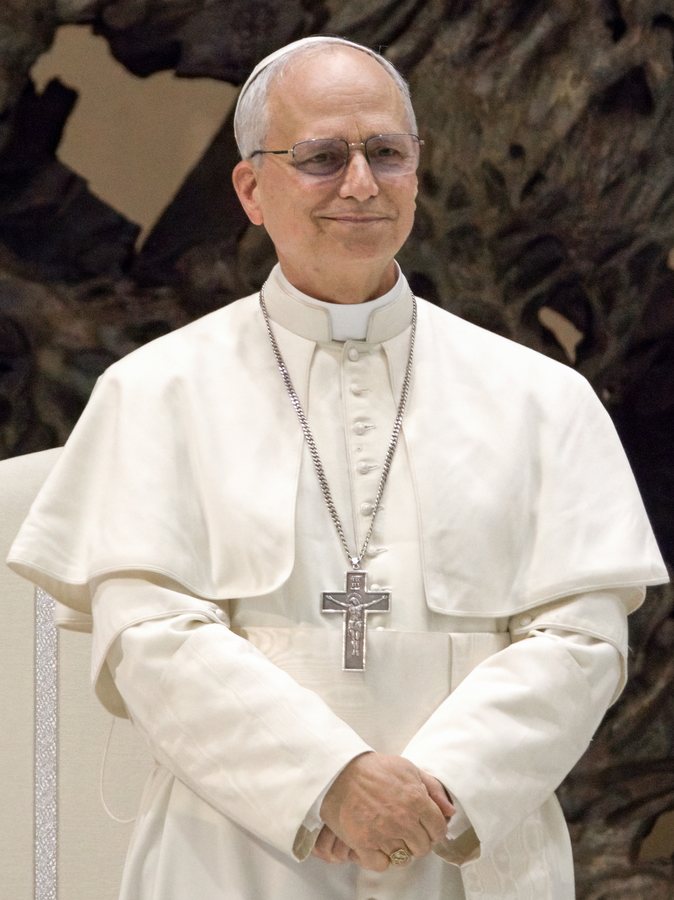
Uncertainty over the health of Pope Leo XIV has renewed a long-running debate about how candid the Vatican is prepared to be when the leader of the Roman Catholic Church falls ill, with questions centring on a cancer diagnosis and the timing of what the Holy See has disclosed.
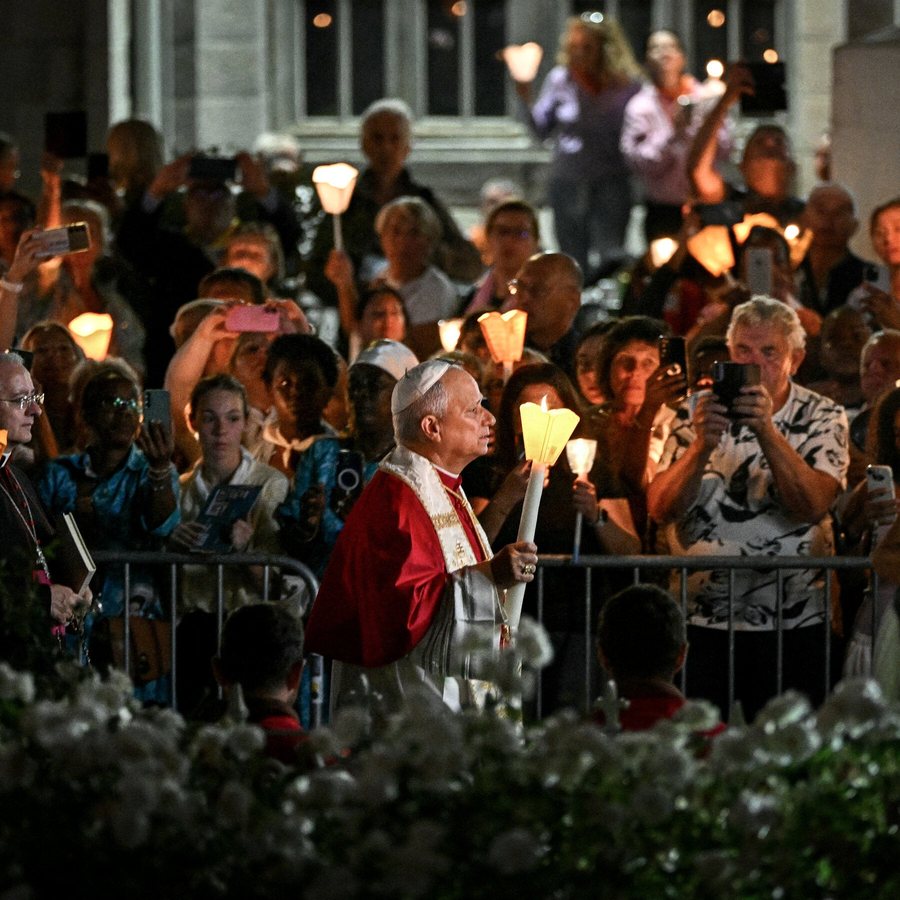
Attention has focused on the Pope's visit to Lourdes in France last month, where he took part in a torchlight procession. Vatican observers have wondered whether he already knew of his cancer diagnosis at the time of that appearance, a question that goes to the heart of how much the public is told and when.
The debate is a familiar one in Rome. The Vatican has historically been cautious about releasing detailed medical information about popes, balancing the privacy of the patient against the expectations of the world's Catholics and the wider public. Each new episode of illness tends to reopen the same argument about transparency, and the current uncertainty has done so again.
For Dominicans, the story carries a particular resonance. The Commonwealth of Dominica is home to a large Catholic community, and news of the Pope's health is followed closely in Roseau, Portsmouth and across the diaspora. The island's churches, schools and charitable institutions maintain close ties with the wider Church, and papal statements on social teaching, the family and care for creation are read with attention here.
The central issue in the current debate is not only the Pope's condition but the reliability of the information reaching the faithful. When official statements are sparse or delayed, speculation fills the gap, and that speculation can travel quickly through international media and social platforms. Vatican-watchers have long argued that greater clarity, even when the news is difficult, serves the Church better than silence.
There is also a practical dimension. The Pope's public schedule, travel and major liturgical celebrations depend on his health, and partners around the world plan around those commitments. A visit such as the one to Lourdes involves months of preparation by local churches, civil authorities and volunteers. Uncertainty about the Pope's condition inevitably affects how such events are planned and how they are understood by those who attend.
The Vatican has not offered a detailed account of the diagnosis or of when the Pope first learned of it, and the questions raised by commentators remain unanswered. What is clear is that the episode has reinforced an old concern: that the credibility of the Holy See's communications depends on being seen to tell the whole story, in good time and without evasion.
For Catholics in Dominica and elsewhere in the Caribbean, the immediate response is likely to be prayer and practical concern for the Pope's wellbeing. But the wider lesson concerns trust. In a small island community as much as in Rome, people accept difficult news more readily than they accept being kept in the dark, and institutions that speak plainly tend to be believed when it matters most.
1