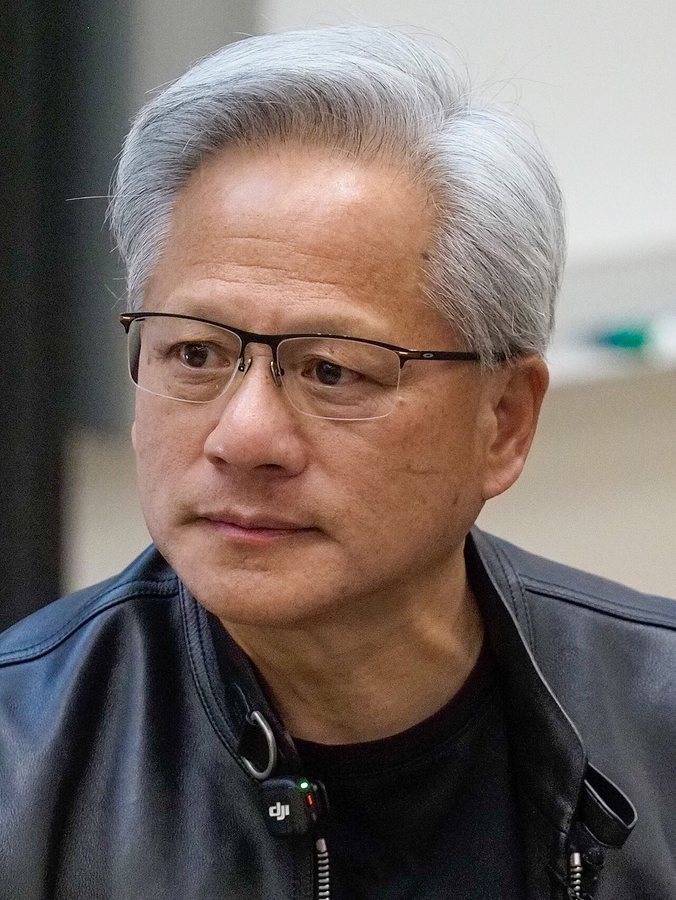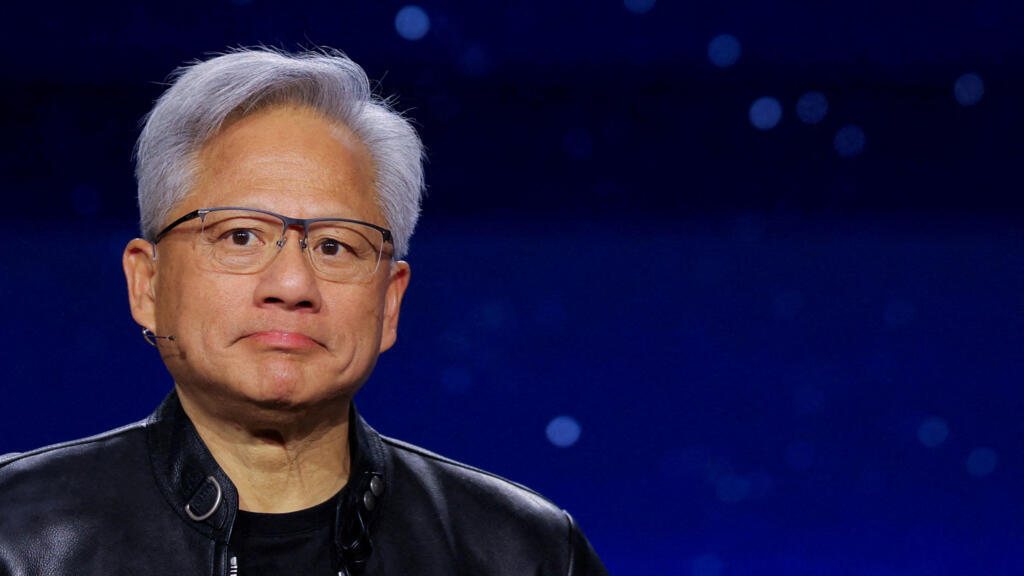
US President Donald Trump praised Nvidia's decision on Monday to reinstate Jensen Huang as chief executive of the chipmaker, a move that has drawn sharply divided reactions in Washington. The announcement, which came as a surprise, places Huang back at the helm of one of the most valuable technology companies in the world.
Trump's endorsement contrasted with the response from Democratic leaders, who said they would launch investigations into the circumstances of Huang's return. Their stance signals that the decision is likely to face close scrutiny in Congress, where questions about corporate governance and the company's dealings are already attracting attention.
Several prominent Republicans, however, raised concerns about the possible security implications of Huang's return. They questioned whether his reinstatement could pose a national security risk, given Nvidia's central role in advanced computing chips that are widely regarded as strategically important to the United States and its competitors.
Nvidia's chips power artificial intelligence systems, data centres and a wide range of high-performance computing applications, making the company a focus of both commercial and government interest. Any leadership change at the firm therefore carries implications well beyond the boardroom, touching on trade policy, export controls and the broader competition with China over advanced technology.
For now, the reaction in Washington remains divided, with supporters highlighting continuity and stability at a company that has become central to the global technology sector, and critics calling for clarity on the reasons behind the decision and its potential risks. Further details on the timing and terms of Huang's return and the planned investigations are expected to follow.
13