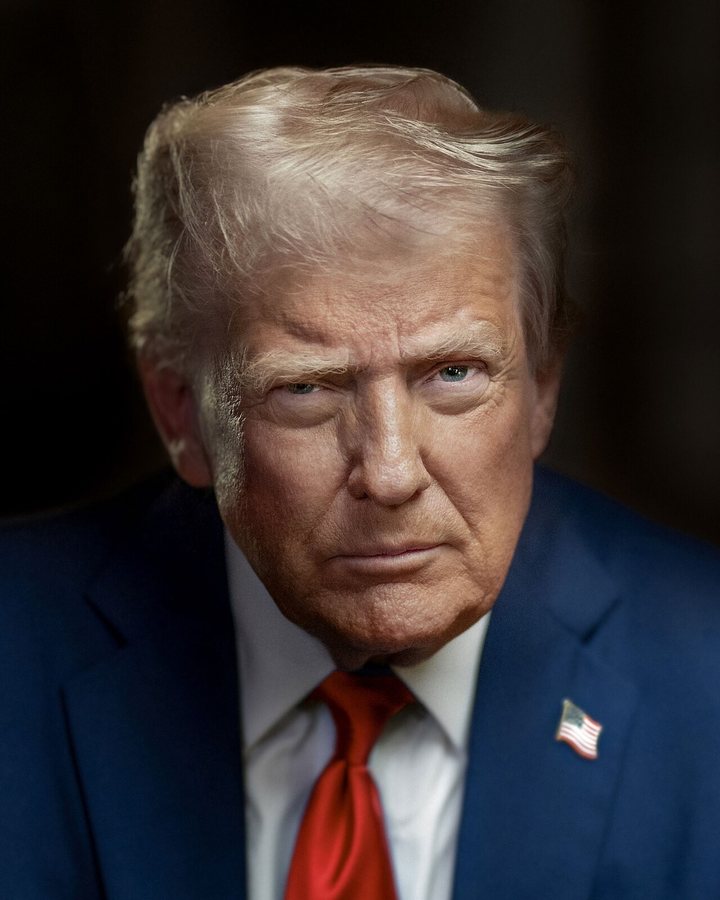
The United States President, Donald Trump, has suggested renaming the strategic Strait of Hormuz the 'Trump Strait', a proposal made amid escalating military tensions between Washington and Tehran over recent attacks on shipping in the vital waterway.
According to reports from international news agencies, Mr Trump floated the idea during a press briefing while discussing the situation in the Middle East. The strait, located between the Persian Gulf and the Gulf of Oman, is a critical artery for global oil supplies, with a significant portion of the world's crude passing through its waters daily. The President's remarks come as the US military has been conducting strikes against targets in Iran following what Washington describes as attempted attacks on commercial vessels in the region.
The suggestion to rename the waterway has been met with immediate reaction from international observers and regional stakeholders. The name 'Strait of Hormuz' carries deep historical and geopolitical significance, and any unilateral attempt to alter its designation would be unprecedented in modern international relations. The strait is bordered by Iran to the north and the United Arab Emirates and Oman to the south, making its status a matter of direct concern for several nations.
The context for the President's remarks is a period of heightened military activity. Reports indicate that the US military has been striking targets in Iran after a series of attempted attacks on shipping. These incidents have raised fears of a broader conflict in a region already marked by instability. The United States has framed its military actions as defensive, aimed at protecting freedom of navigation and deterring further aggression against commercial interests.
Iran, for its part, has historically asserted its right to control and secure the strait, which it shares with its neighbours. Any discussion of renaming the waterway is likely to be viewed in Tehran as a provocation, potentially escalating the already tense standoff. The international community, including key allies of the United States, has yet to issue formal responses to the President's suggestion, but diplomatic observers note that the proposal could complicate efforts to de-escalate the situation.
The potential renaming of the strait is not a matter of mere symbolism. The Strait of Hormuz is one of the most strategically important chokepoints in the world. According to energy analysts, roughly one-fifth of the world's total petroleum consumption passes through the strait, making its security a paramount concern for global markets. Any disruption to shipping there could have immediate and severe consequences for oil prices worldwide, affecting economies far beyond the immediate region.
For the Commonwealth of Dominica and the wider Caribbean, the stability of such global trade routes is of indirect but real importance. The region depends on imported fuel and goods, and volatility in the Middle East can translate into higher prices at the pump and in shops across the islands. The situation in the Persian Gulf is therefore being monitored closely by governments and businesses throughout the Caribbean, even as the immediate focus of the United States and Iran remains on their own military and diplomatic calculations.
The coming days are likely to bring further developments, both on the ground in the Middle East and in the diplomatic arena. Whether the President's suggestion gains any traction remains to be seen, but the very fact of its proposal underscores the volatile nature of the current moment. For now, the world watches as the United States and Iran navigate a confrontation that carries significant risks for regional and global stability.
54