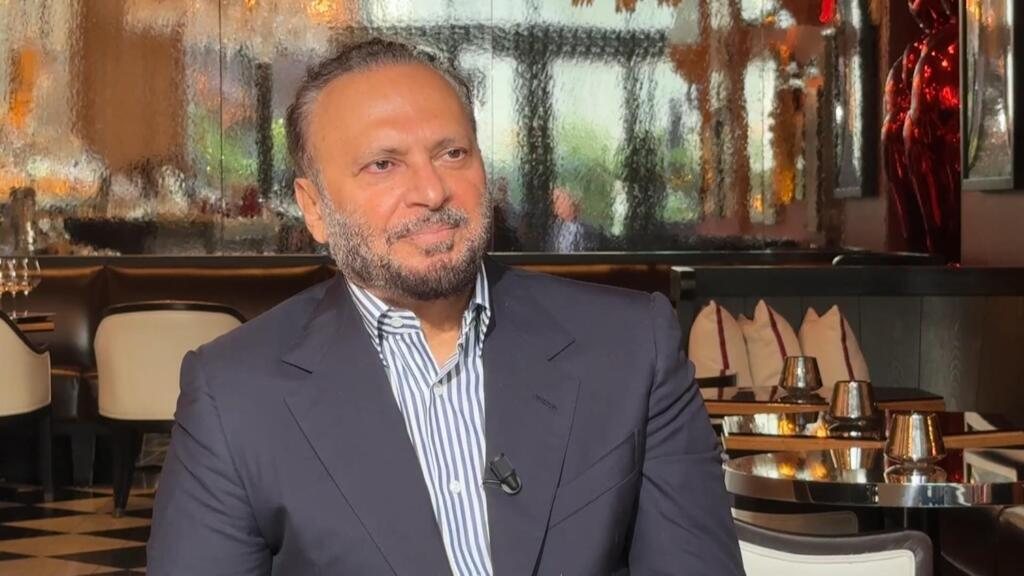
Anwar Gargash, senior diplomatic adviser to the President of the United Arab Emirates, has accused Iran of dragging the Emirates into a conflict, saying the country was the target of 3,300 missiles and drones fired by Iranian forces. He made the remarks in an interview with FRANCE 24 on the sidelines of the United Nations General Assembly.
Gargash said the current situation, which he described as neither war nor peace, cannot be sustained. His warning came after United States President Donald Trump said he could either negotiate with Iran or obliterate it, a choice that has sharpened attention on how Gulf states are positioning themselves amid rising regional tensions.
The Emirati diplomat's comments place the United Arab Emirates at the centre of a confrontation that has drawn in multiple actors across the Gulf and beyond. By stating publicly that Iran has pulled the UAE into the conflict, Gargash signalled that Abu Dhabi views the missile and drone attacks as a direct and sustained assault rather than an isolated incident.
The figure of 3,300 missiles and drones cited by Gargash is the most specific public accounting yet from a senior Emirati official of the scale of what the UAE says it has faced. The disclosure is likely to shape how Gulf capitals and their international partners assess the threat environment in the region.
Gargash's warning about the unsustainability of no war, no peace reflects a growing concern among Gulf officials that a prolonged standoff carries its own dangers. A situation that falls short of open conflict but includes repeated attacks can destabilise trade, aviation, energy infrastructure and investment across the region.
His remarks also come as Washington weighs its next move. Trump's suggestion that he could either negotiate with Tehran or obliterate it has left allies guessing about the direction of US policy, and Gargash's intervention appears intended to press for clarity and for a durable settlement rather than an open-ended confrontation.
For the wider Caribbean, the exchange is a reminder of how quickly tensions in the Gulf can affect global energy prices, shipping routes and the cost of imports. Dominica and its OECS neighbours depend heavily on imported fuel and goods, so any escalation that disrupts Gulf shipping or oil markets is felt in the Eastern Caribbean.
Small island states have repeatedly argued at the United Nations that they are the least responsible for major power conflicts yet among the most exposed to their economic and environmental consequences. The UAE's experience of missile and drone attacks underlines how quickly a regional dispute can become a direct security matter for states that are not parties to the original quarrel.
Gargash did not indicate what specific steps the UAE might take next, nor did he set out conditions for de-escalation. His focus was on the danger of leaving the region in a prolonged grey zone between war and peace, a position that he said cannot hold indefinitely.
The interview adds an Emirati voice to a debate that has largely been framed by Washington and Tehran. By speaking publicly at the UN General Assembly, Gargash ensured that the concerns of a Gulf state directly affected by the attacks are part of the international conversation.
Diplomats will now watch for any sign that his warning translates into a renewed push for negotiations. For now, the message from Abu Dhabi is that the status quo is neither safe nor stable, and that the cost of inaction is being counted in missiles and drones.
4