Peace negotiations over the war in Ukraine have stalled after the United States announced it would purchase Russian diesel and lifted sanctions on Russian diesel exports, a move that has upended the diplomatic track.
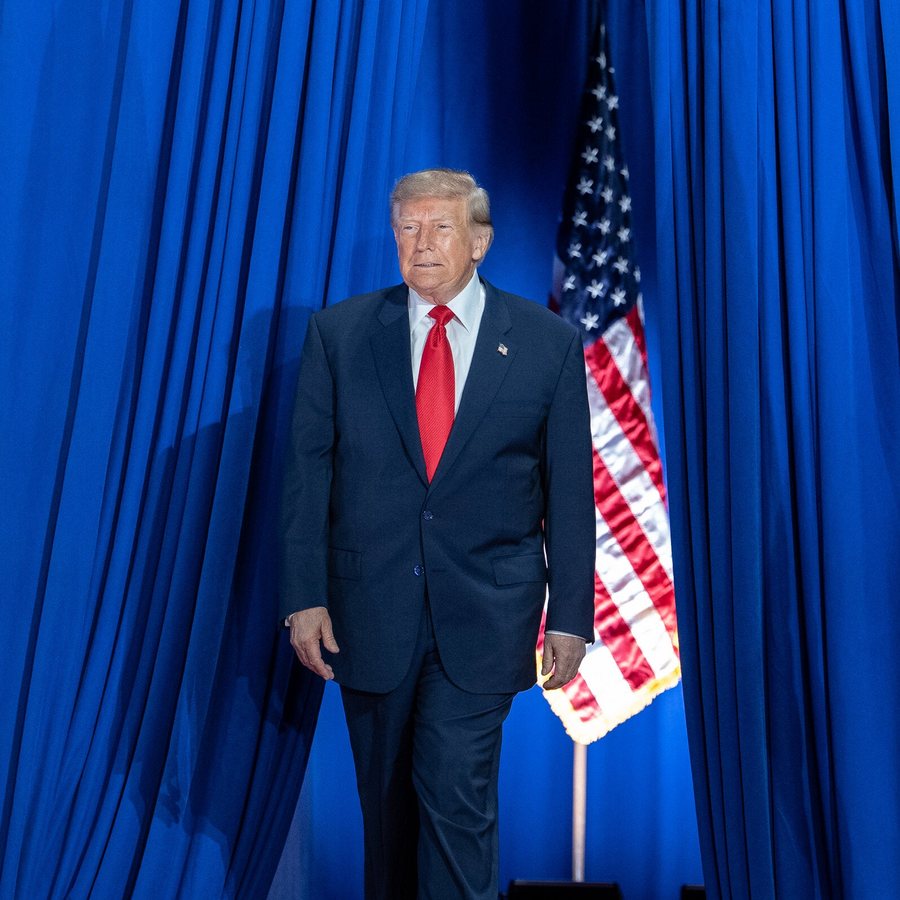
President Donald Trump announced the fuel deal at a campaign rally in Syracuse, New York, on Friday. The announcement was followed by the lifting of US sanctions on Russian diesel exports, according to the New York Times.
The decision marks a significant shift in US policy toward Russia, which has faced sweeping sanctions since its full-scale invasion of Ukraine in 2022. The lifting of restrictions on Russian diesel exports could provide Moscow with a new revenue stream at a time when Western nations have sought to limit the Kremlin's energy earnings.
Ukraine peace talks, which had been pursued by the Trump administration, have now sputtered. The fuel deal appears to have complicated efforts to bring the conflict to a negotiated end, though the exact impact on the negotiations was not immediately detailed.
The rally in Syracuse served as the platform for the announcement, underscoring the domestic political context in which the decision was made. Trump has repeatedly signalled a desire to improve relations with Moscow and to end the war in Ukraine, but the timing and nature of the diesel deal have raised questions among allies and observers.
Russian diesel exports had been subject to US sanctions as part of a broader campaign to pressure the Russian government over its invasion. The lifting of those sanctions means US buyers can now legally purchase Russian diesel, a reversal that could have ripple effects on global energy markets and on the coalition supporting Ukraine.
There was no immediate comment from Ukrainian officials on the development. European allies, who have coordinated closely with Washington on sanctions policy, have not yet publicly responded to the US move.
The peace talks had been a central element of the Trump administration's foreign policy agenda. Their apparent derailment comes as the war continues with no clear end in sight, and as both sides have shown little willingness to compromise on core demands.
For the Caribbean, the implications are indirect but not insignificant. Global energy prices and sanctions policy affect fuel import costs across the region, including in the Commonwealth of Dominica, where the cost of diesel influences electricity generation, transportation and fishing. A shift in Russian export flows could alter market dynamics in ways that reach small island economies.
Dominica, like its OECS and CARICOM partners, has consistently supported Ukraine's sovereignty and territorial integrity in international forums. The country has no direct role in the negotiations, but as a member of the Caribbean Community it follows developments that affect the rules-based international order and the stability of global markets.
The lifting of sanctions on Russian diesel is likely to be scrutinised by US lawmakers and allies in the coming days. It remains unclear whether the measure is permanent or temporary, and whether it forms part of a broader deal with Moscow.
For now, the peace talks remain stalled, and the diplomatic path to ending the war appears more uncertain than before. The coming weeks will show whether the fuel deal advances or further complicates efforts to reach a settlement.
2