European governments are confronting a sustained campaign of sabotage, drone incursions and cyberattacks attributed to Russia, and are searching for ways to push back without escalating into direct confrontation with Moscow, according to reporting on the continent's response to what officials describe as a shadow war.
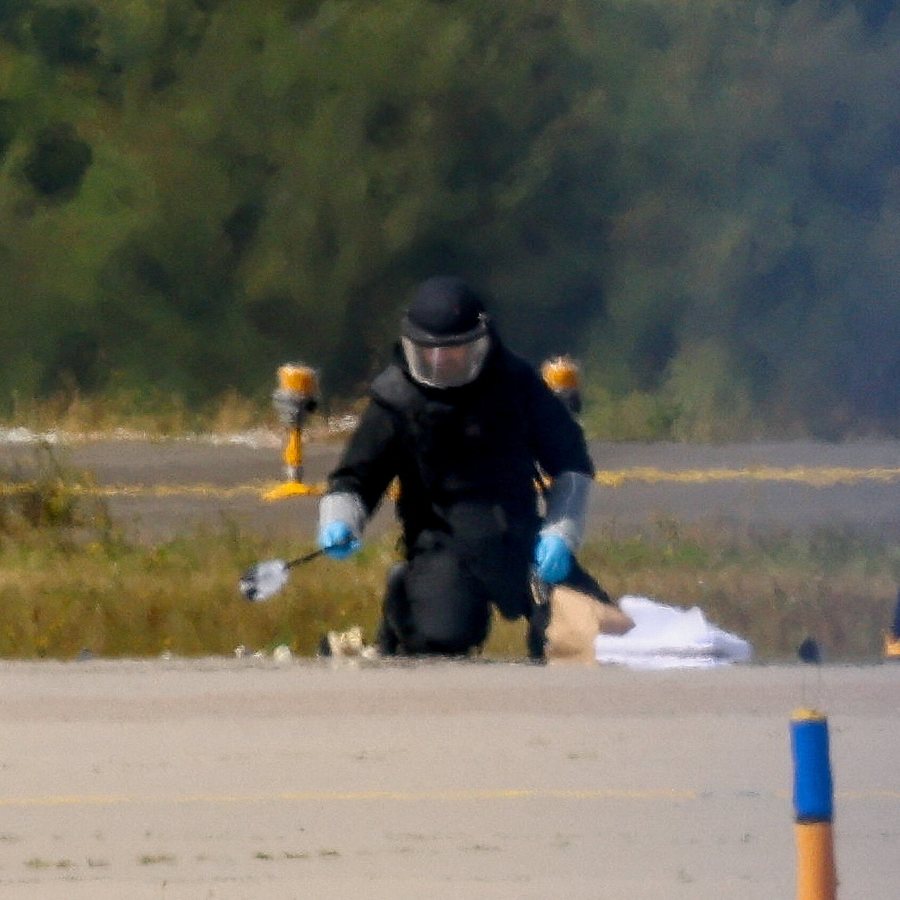
The challenge has moved from intelligence briefings to airport tarmacs and military bases. In August, investigators gathered evidence at Leipzig-Halle airport in Germany after an explosive-laden drone was discovered there, an incident that underlined how hybrid tactics are reaching civilian infrastructure across the European Union.
Such episodes have multiplied in recent months, with officials pointing to arson attempts at warehouses, interference with rail signalling, undersea cable damage and a steady stream of disinformation aimed at weakening public support for Ukraine. The tactics are designed to stay below the threshold that would trigger NATO's Article 5 collective defence clause, leaving allies to craft a response that is firm but calibrated.
That dilemma was on display as European capitals weighed measures that range from new sanctions on Russian intelligence operatives to the expulsion of diplomats, the tightening of airspace controls and the hardening of security at airports, ports and energy installations. Officials have also discussed expanding cyber-defence cooperation and sharing more intelligence among EU and NATO members.
Germany, which has been among the most exposed to the campaign, has taken a leading role in the investigation and in pushing for a coordinated European answer. The discovery at Leipzig-Halle, a major cargo hub, highlighted the vulnerability of logistics networks that keep both commerce and military aid moving.
For the wider Caribbean, the strategic contest carries indirect consequences. Europe's attention and resources are increasingly absorbed by its own security, even as the war in Ukraine continues to shape global energy prices, shipping costs and food import bills. Small island states, including the Commonwealth of Dominica, have felt those pressures through higher freight rates and volatile fuel markets.
European officials have stressed that any response must avoid giving Moscow a pretext for further escalation. That has led to a preference for measures that are deniable, targeted and reversible, such as sanctions on specific units and individuals rather than broad economic retaliation.
NATO has meanwhile stepped up patrols in the Baltic Sea and increased surveillance of critical undersea infrastructure, while individual member states have raised alert levels at key sites. The alliance has stopped short of describing the campaign as an armed attack, a legal distinction that matters for how far allies can go.
The debate is likely to continue as more incidents are documented and attributed. For European governments, the central question remains how to impose costs on Russia for actions that fall short of open war, while keeping the continent's economies and publics steady through what officials expect to be a prolonged period of pressure.
2